Last updated November 25, 2026
Free roof inspection with deck photos before we talk money - GAF and Owens Corning certified installation
Roofing Emergency Preparedness Guide for Everett Homes
The counterintuitive truth about roofing emergencies in Everett is that the storm rarely causes the worst damage. What causes the worst damage is the six to twelve hours after the storm, when wind-driven rain pushes against a compromised roof deck and finds every gap a missing shingle left behind. Homeowners who act in that window limit the damage to the roof itself. Homeowners who wait get wet insulation, ceiling stains, wall cavities, and a much larger repair. This guide walks you through what to do in the first 24 hours after a roof emergency, how to document damage before you touch anything, what the Everett climate actually throws at roofs, and when it’s time to stop handling it yourself and call a professional.
Quick Answer
A roofing emergency in Everett usually means sudden water intrusion after a wind or rain event, and the first priority is stopping the water, not fixing the roof. That means safely tarping the damaged area with a proper material, documenting the damage with timestamped photos before you make any temporary repair, and calling a professional for anything beyond minor surface damage. Everett’s convergence zone weather can turn a small breach into interior damage within hours, so speed matters more than perfect workmanship in the first 24 hours.
Styles & brands we work with
- Architectural shingles
- Metal roofing
- Tile roofing
- GAF
- Owens Corning
- Flat & low-slope
Table of Contents
- What Should You Do in the First 24 Hours After a Roof Emergency?
- How Do You Safely Tarp a Damaged Roof in Everett?
- How Do You Document Storm Damage for Insurance?
- What Everett Weather Conditions Cause Predictable Roof Damage?
- What Should Everett Homeowners Do Before Storm Season?
- What Should an Emergency Roofing Call Actually Involve?
- What Is the Insurance Claim Timeline and What Triggers a Denial?
- How Does Roofing Material Affect Emergency Risk in Everett?
What Should You Do in the First 24 Hours After a Roof Emergency?
The first 24 hours after a roofing emergency in Everett are about containing water, not fixing the roof. Here’s the order that matters most.
- Get water away from the interior first. Move furniture, electronics, and anything valuable out of the path of a ceiling drip. Place buckets. If a ceiling is bulging from trapped water, don’t puncture it from below without shutting off the circuit to that room; call a professional and let them decide.
- Look at the attic from the inside. With a flashlight, inspect the underside of the roof deck for wet sheathing, water stains on rafters, and daylight showing through. This tells you where the actual breach is, not just where the water is landing.
- Turn off the power to any ceiling fixture near active water. Water and electrical don’t mix, and this is the one thing you should never skip.
- Document everything with photos before you touch the roof. We’ll cover what adjusters look for in a dedicated section below.
- If you can safely reach the damaged area from a ladder at ground level, tarp it. If you can’t, don’t. Wet roofs in Everett are genuinely dangerous, and an injury in the first hour of a storm emergency is far worse than a bucket and a phone call.
- Call a professional for anything beyond a small, isolated leak. Large areas of missing shingles, visible structural sagging, or active water intrusion at multiple points means the job is beyond what a homeowner should handle.
The mistake we see most often is homeowners calling the insurance company before documenting the damage themselves. Adjusters want photos of the actual damage, not the aftermath of your repair. Take photos first, then call.
How Do You Safely Tarp a Damaged Roof in Everett?
Safe emergency tarping means using the right material, anchoring it correctly, and knowing what not to do on a wet roof. Most homeowner tarping failures come down to three things: too thin a tarp, no proper anchor, and a slippery surface that shouldn’t be walked.
What Tarp Material You Need
- Minimum 6-mil polyethylene tarp. Anything thinner tears in Puget Sound wind. A 10-mil or heavier construction tarp lasts longer but is harder to handle solo.
- Size it larger than the damage by at least 4 feet on every side. A tarp that just covers the hole will flap and channel water underneath.
- Use 1×4 or 2×4 lumber as battens along the edges instead of relying only on rope or bungee. Battens distribute the load and stop the tarp from tearing off in a gust.
Proper Anchor Points
The tarp needs to be anchored to something structural, not to the roof surface itself. Screw or nail through the batten into the roof deck at the ridge or along a line of solid sheathing. Never anchor to gutters, fascia, or anything that flexes; those anchor points fail in wind. Run ropes or straps over the tarp and anchor them to solid points on opposite sides of the roof so the tarp can’t shift.
What Not to Do on a Wet Everett Roof
Never walk a roof that is wet from rain, covered in moss, or has any visible moss growth on it. Moss is the most common slip hazard on Everett roofs, and wet moss holds water like a sponge. Don’t work alone, don’t work in active wind or lightning, and don’t step off the edge of the roof to reach a low section. If you cannot safely complete the tarp, stop, call a professional, and protect the interior. The tarp can wait; you can’t.
How Do You Document Storm Damage for Insurance?
Insurance documentation for storm damage needs to happen before any temporary repair, and it needs specific kinds of photos. Adjusters aren’t just confirming you had a storm; they’re confirming the damage wasn’t there before it. That distinction is where most Everett claims live or die.
Photo Requirements
- Wide shots first. Stand back and photograph the whole roof from each accessible side. This establishes the scope and shows the pattern of damage.
- Close-up shots of every damaged area. Missing shingles, lifted shingle tabs, granule loss on patches of roof, dents, tears, and separations. Get close enough that an adjuster can clearly see what’s wrong.
- Interior damage photos. Ceiling stains with a tape measure or coin next to them for scale. Wet insulation in the attic. Water lines on rafters. Anything wet should be photographed before it dries or is removed.
- Context shots. A photo that shows the damaged area relative to the rest of the roof and the house tells the adjuster more than a close-up alone.
Timestamps and Metadata
Enable date and location metadata on your phone’s camera before you go out. If your phone doesn’t do that automatically, photograph something in each shot that establishes date and time, or take a quick video that shows the whole sequence with narration. The goal is a trail that proves when the damage existed and when it was reported.
What Snohomish County Adjusters Look For
Adjusters want to see the damage pattern matches a wind or water event rather than wear and tear. If shingles are missing in a scattered pattern across the roof, that suggests wind. If they are missing on the downwind edge in a consistent line, that suggests age-related adhesion failure. Adjusters look for signs of pre-existing problems: moss growth that masked a failing underlayer, noticeable granule loss on older shingles, tar patches from prior repairs, and curling at the edges. Document honestly and let the adjuster make their own call. Nothing kills a claim faster than the homeowner trying to photograph around the pre-existing issues.
What Everett Weather Conditions Cause Predictable Roof Damage?
Everett sits right at the convergence zone’s pivot point, and that geography produces predictable damage patterns that homeowners can prepare for. The convergence zone is a band where air flowing around the Olympic Mountains meets a similar flow around the Cascades, and where those two streams collide, you get a narrow strip of intense wind and rain. What makes it dangerous for roofs is that it isn’t evenly distributed. A neighborhood can get hammered while a few miles away gets a mild drizzle, which means damage in your part of Everett may be isolated and easy to miss.
Wind Events
The biggest storm threat to Everett roofs isn’t rain; it’s wind-driven rain hitting shingles at an angle they weren’t meant to shed. Wind at the right angle gets under shingle tabs, lifts them, and creates a flap that never seals back down. Once a shingle is lifted, the next rain event pushes water beneath it. Wind events also drive branches onto roofs and tear gutters loose, and in evergreen country it’s the branches that do most of the damage.
Atmospheric Rivers
Atmospheric river events deliver inches of rain in a short window, and they test water-shedding performance more than wind resistance. Damage here comes from water pooling behind debris dams, from failed flashing at valleys and chimneys, and from overwhelmed gutters. On a roof that’s already compromised, an atmospheric river finds the weak spot.
Moss and Organic Growth
Moss is Everett’s quiet roofing problem. It grows on north-facing and shaded roof planes, holds water against the shingle surface, and lifts shingle edges as it expands. Moss can dramatically shorten the life of a roof that would otherwise hold up fine in a drier climate.
What This Means for Preparedness
Because the convergence zone is localized, damage often doesn’t fit the “storm hit the whole city” pattern that neighbors might expect. Homeowners in one part of Everett may need a repair call while their neighbors had no damage at all. That’s normal here.
What Should Everett Homeowners Do Before Storm Season?
Pre-storm prep for an Everett roof happens in late summer and early fall, before the first convergence zone event of the season. The work isn’t complicated, and it addresses the specific failure modes that Puget Sound weather produces.
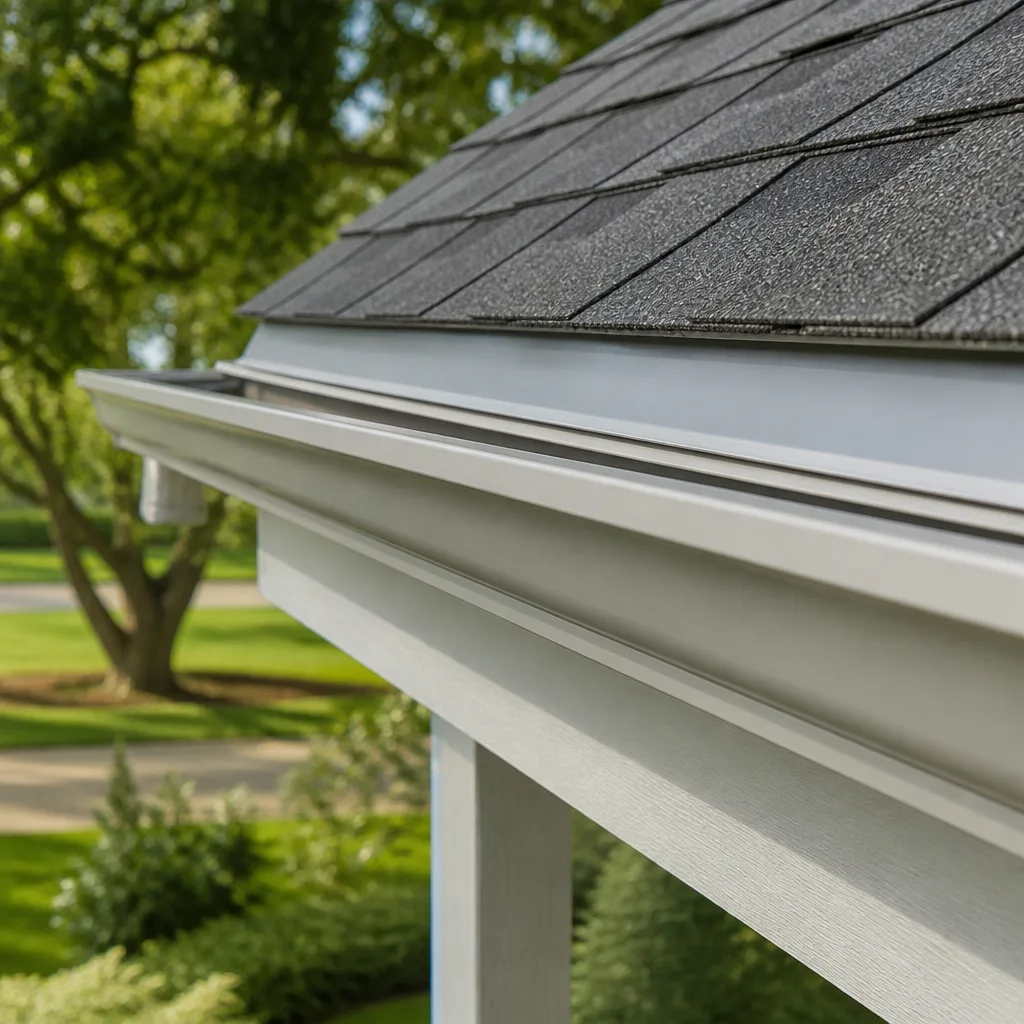
- Clear debris from gutters and valleys. The single most effective thing you can do. Clean gutters shed water; clogged gutters push it up under shingles at the fascia and down walls.
- Remove moss from north-facing roof planes. Use a moss treatment compatible with your roofing material, or hire a professional for anything beyond the lowest roof sections.
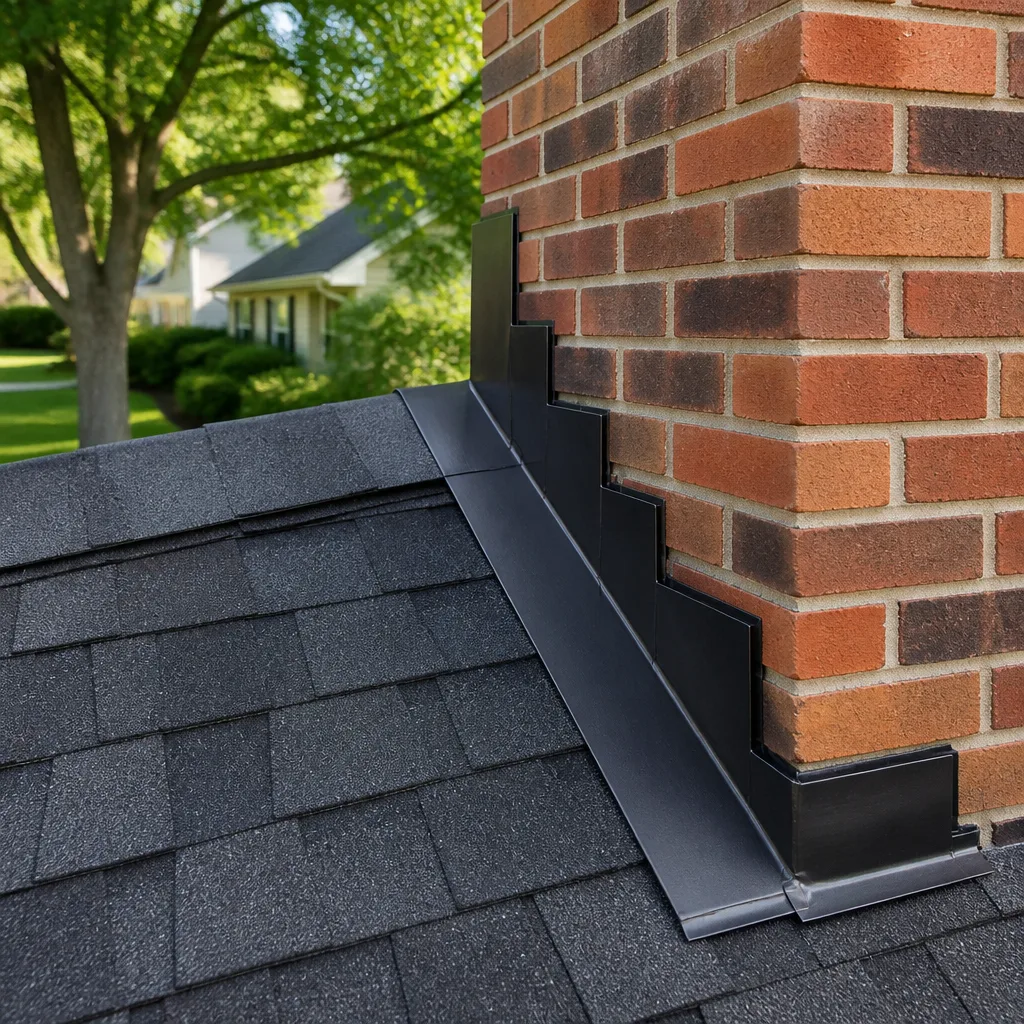
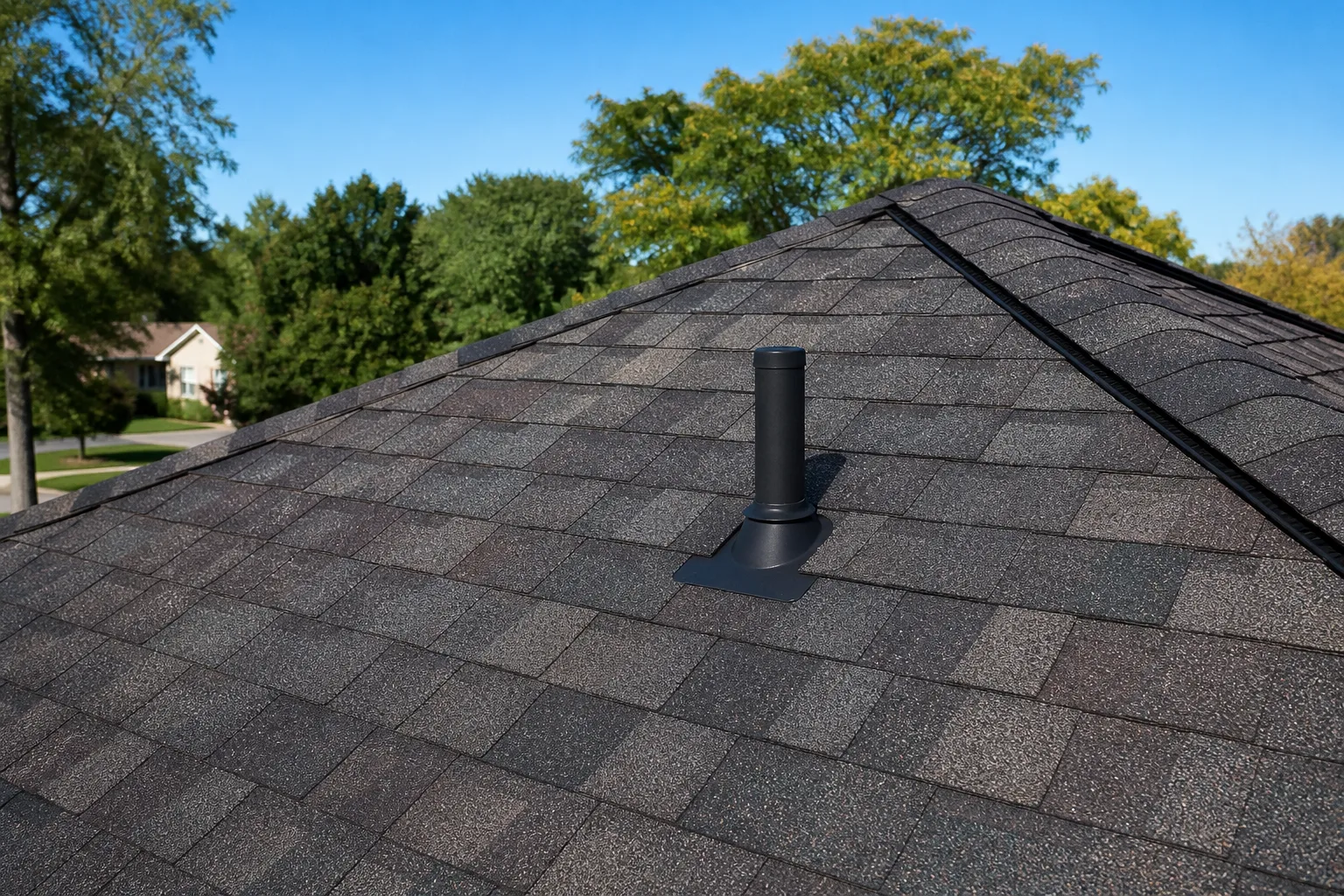
- Check the flashing around chimneys, skylights, valleys, and pipes. Flashing fails before shingles do. Look for lifted edges, missing sealant, or visible gaps. Small flashing repairs are cheap; water intrusion isn’t.
- Trim branches back from the roof. Give at least 6 feet of clearance where possible. Branches rub shingles, drop debris that traps water, and become projectiles in wind.
- Look at the attic underside after a dry stretch. Any water stains, discolored rafters, or damp insulation are pre-existing problems that will get worse once the rain starts.
- Have the roof inspected if it’s more than 15 years old or you don’t know its history. A professional inspection before storm season is the difference between a scheduled repair and an emergency.
The other prep item is material-specific. If you have an asphalt shingle roof, look for signs of granule loss (shingles that look lighter in patches, granules collecting at the bottom of downspouts). If you have a shingle roofing system nearing the end of its useful life, storm season is when the failure happens, not when the decision gets made. If you’ve been planning a roof replacement, doing it before the weather turns avoids paying for emergency repairs on a roof that’s on its way out anyway.
What Should an Emergency Roofing Call Actually Involve?
An emergency roofing call in Everett should get you a tarp on the roof or a scheduled response, not a sales pitch for a full replacement. Here’s what to expect and what to ask.
Realistic Response Times by Season
During peak storm season, contractors get scheduled fast. When a major wind event hits the convergence zone, every roofer in Snohomish County gets calls at the same time, and the good ones book out for days or weeks. During the calmer months, a non-urgent repair call is much easier to schedule. If your roof has active damage during a storm, expect to wait if you’re calling everyone at once; the contractors who respond to your call first are often the ones with capacity. Call early and be ready to book.
What Emergency Tarping Should and Shouldn’t Cost
Emergency tarping is priced per job, and the written estimate sets the final price. The tarp cost depends on roof access, the size of the damaged area, the pitch, and how hard it is to get material up. What it shouldn’t include is anything the estimate didn’t name; ask for a written, line-item quote before any work begins. If a contractor quotes one number on the phone and a different number on the invoice, that’s a problem. A legitimately written estimate has no change orders unless the scope changes, and tarping is straightforward enough that the estimate should be clear on the first call.
What to Ask on the Call
- Is the technician licensed and insured as the state requires?
- Can you give me a written estimate before any work happens?
- What’s the realistic window for getting a tarp on the roof?
- Do you handle the transition from tarp to repair, or will I need a second contractor?
- Do you work with my insurer if this turns into a claim?
Our technicians have up to 8 years of experience, and the local professionals we connect you with are licensed and insured as their state requires. When you call us, we can walk you through what a response looks like for your specific situation.
What Is the Insurance Claim Timeline and What Triggers a Denial?
An insurance claim for storm damage usually covers inspection, documentation, adjuster visit, and approval or denial, and the whole process can take weeks from storm to settlement. The most common denial reason is a claim where the “damage” turns out to be pre-existing wear that the homeowner didn’t know about. Here’s how to keep your claim clean.
Typical Claim Timeline
- Report within a few days of the event. Don’t drag your feet; some policies have reporting windows.
- Document before repair and keep records of the storm (local news coverage, weather service records, etc.).
- Adjuster scheduling usually happens within a week or two of reporting, longer during peak storm volume.
- Adjuster visit and written scope of damage.
- Approval, partial approval, or denial. Partial approvals are common; push back with documentation if the adjuster missed something.
What Triggers a Denial
- Pre-existing conditions. The biggest one. Failing flashing, worn shingles, and previous improper repairs are all reasons a claim gets denied. If you knew the roof was on its last legs, the adjuster will too.
- Claims filed after a repair. If you tarped, photographed, then repaired and only then filed, the adjuster can’t verify what the storm actually did.
- Maintenance neglect. A moss-covered roof that failed isn’t usually a storm claim; it’s a maintenance claim that isn’t covered.
- Too late to report. Delay weakens your claim. Report quickly.
- Homeowner-altered damage. Adding damage or exaggerating it is grounds for denial and worse.
Adjusters will look closely at PNW wind claims because wind damage is the most commonly inflated claim category. Take clear, honest photos, get a written estimate from a professional that explains exactly what the storm did, and let the documentation speak for itself. We can work with your insurer to make sure the scope of damage is documented properly.
How Does Roofing Material Affect Emergency Risk in Everett?
The roofing material on your home changes how it fails, how quickly it fails, and what an emergency repair looks like. Understanding the trade-offs before something goes wrong makes the fix faster and the eventual replacement decision clearer.
Asphalt Shingle
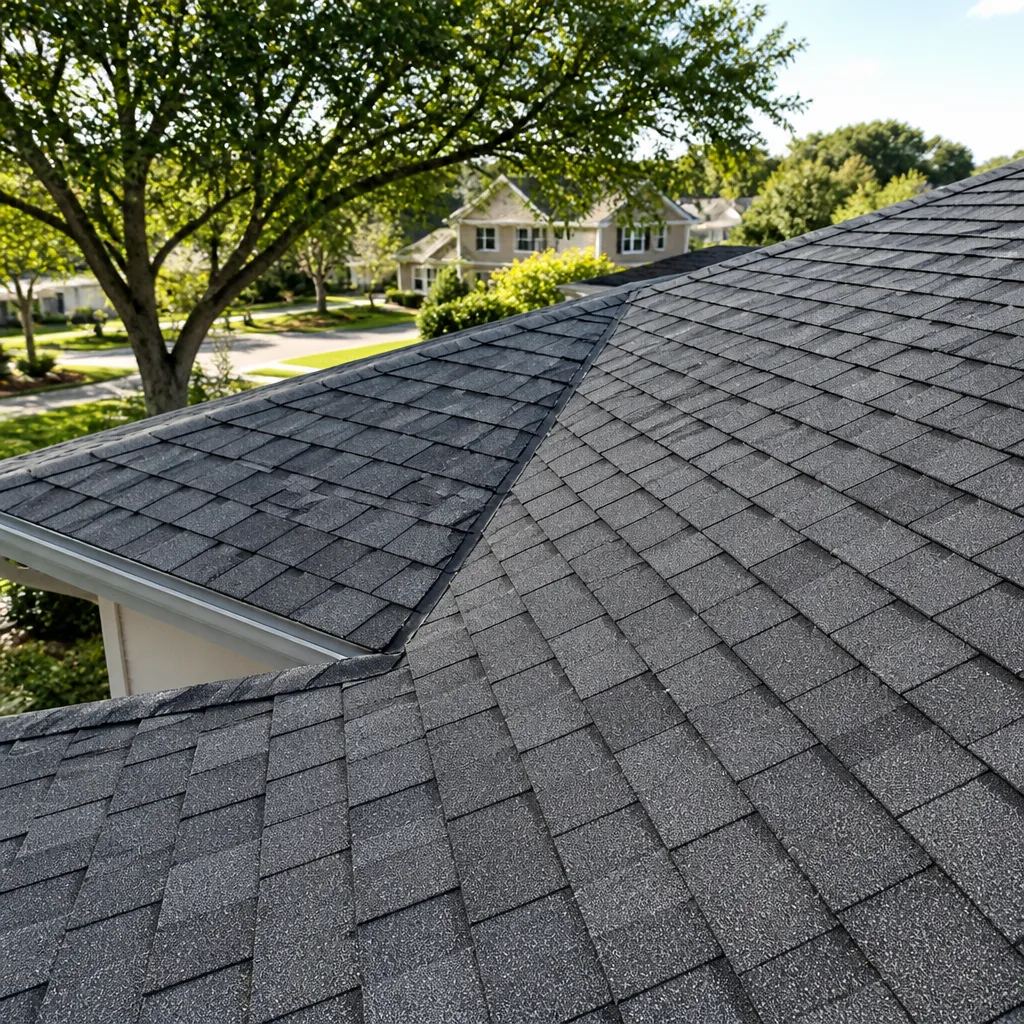
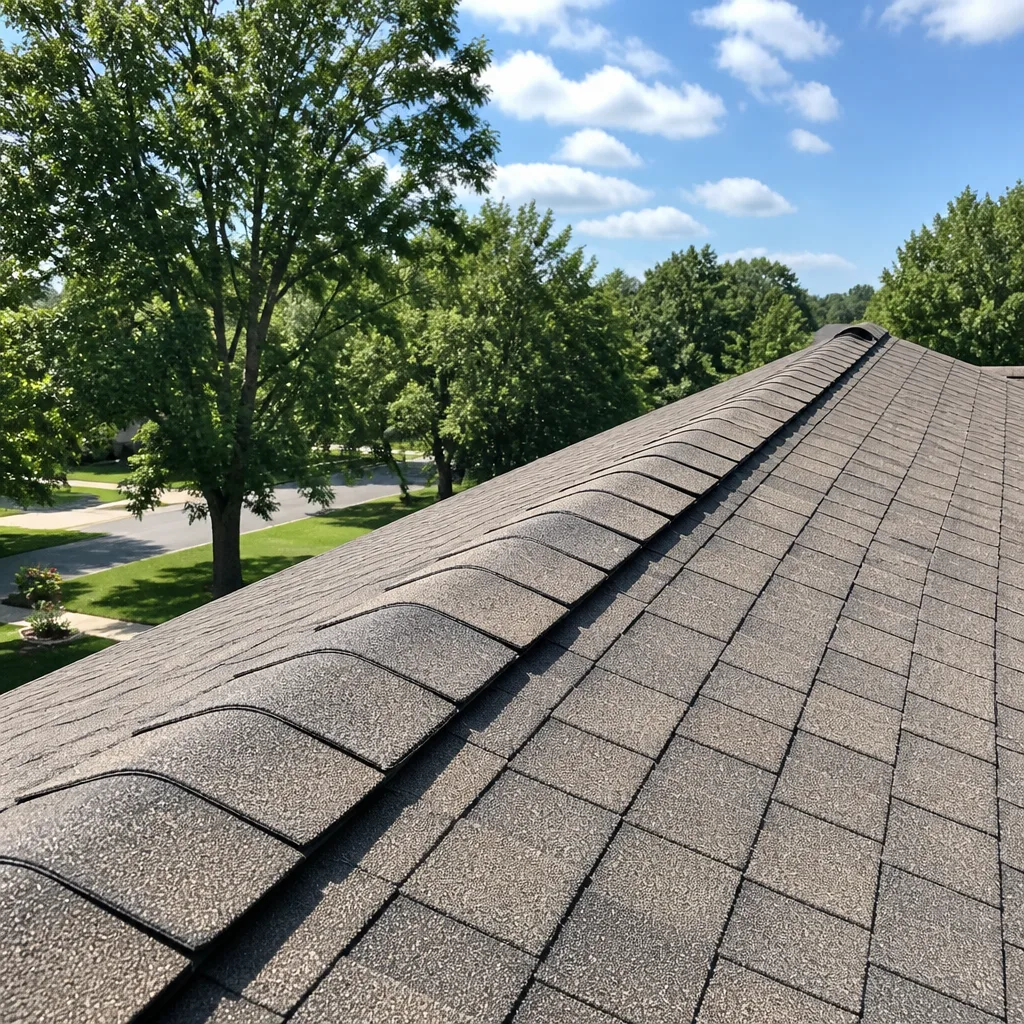
Asphalt shingles are the most common roofing material in Everett, and they handle wind-driven rain well when they’re in good condition. Their vulnerability is age: as shingles lose granules and adhesive, they lift in wind, and once a tab lifts, water gets underneath. Most single-family homes in the area are shingled, and the emergency risk rises sharply as the roof passes the midpoint of its lifespan. We install systems from manufacturers like GAF and CertainTeed, both of which offer lines with strong wind ratings and manufacturer warranties tied to certified installation.
Metal Roofing
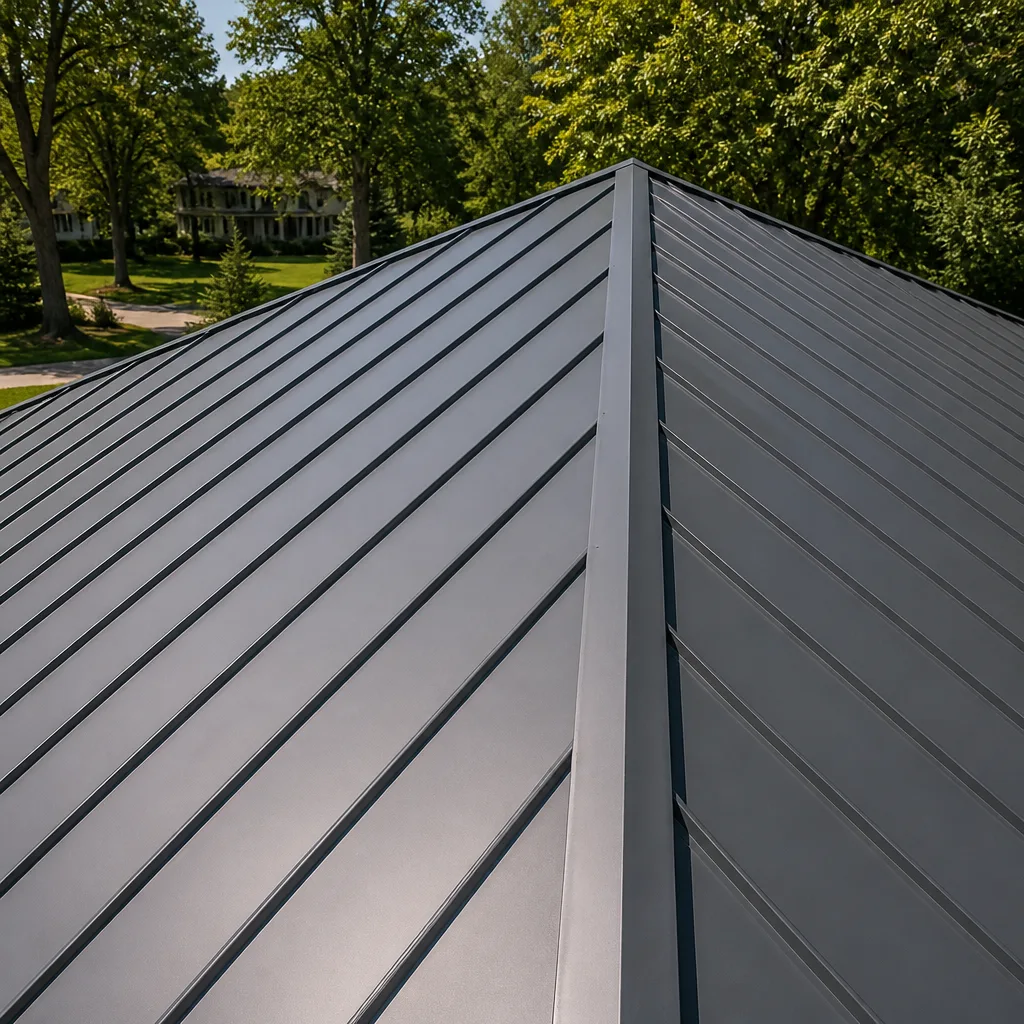
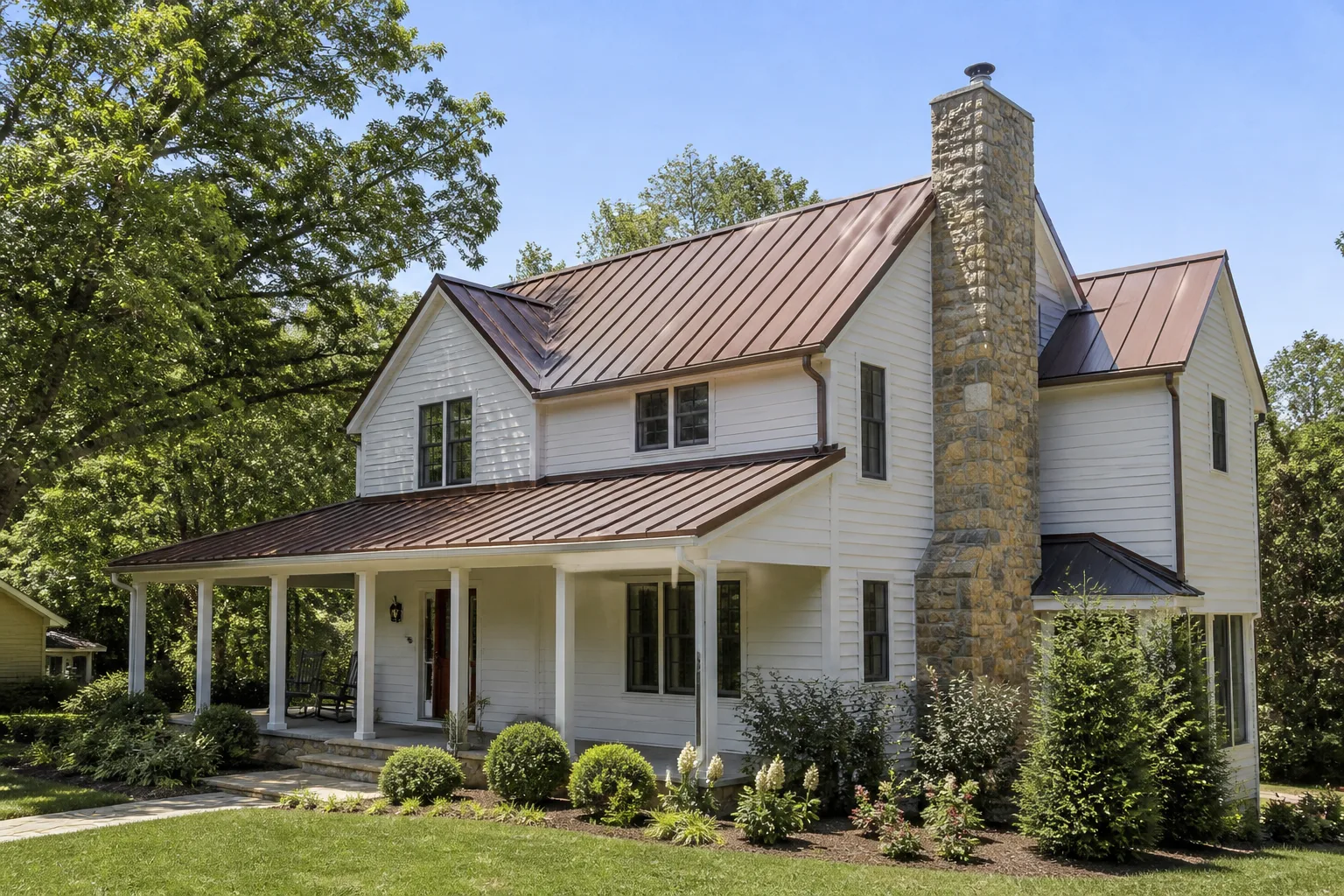
Metal roofing is more wind-resistant than shingles, and it doesn’t fail in the same way. Wind doesn’t lift a properly installed metal panel; instead, the failure mode is usually at the fasteners, the flashing, or the attachment points, and those typically fail first only on older or improperly installed jobs. Metal handles heavy rain well and lasts significantly longer than shingles. The trade-off is up-front cost, which runs higher than shingles. The manufacturer relationships that matter here are lines from Boral, which is well known for long-life metal systems.
Tile Roofing
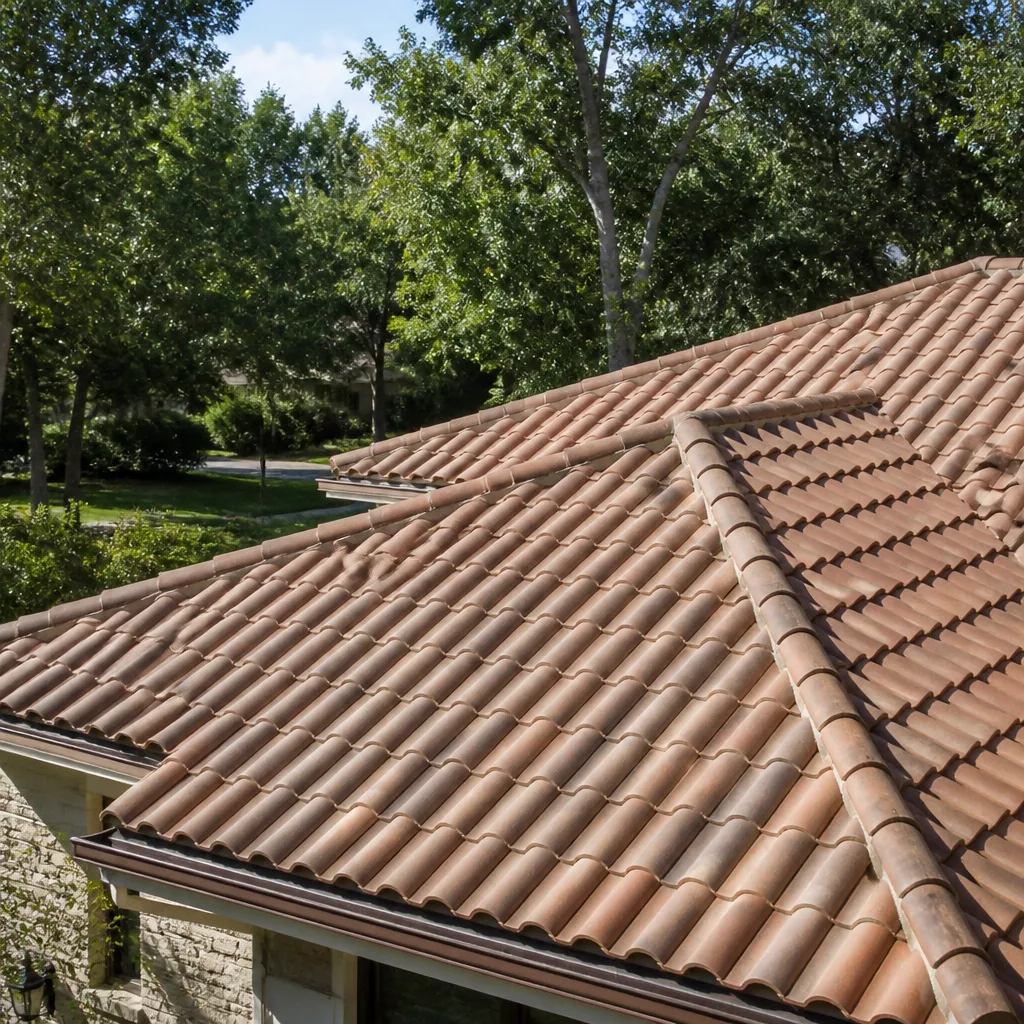
Tile roofing is the least common material in Everett but has real benefits where it’s appropriate. The failure mode under storm conditions is broken or slipped tiles after impact, plus flashing problems at the valleys and ridges. Tile is heavy, so it requires a roof structure rated for the weight, and repairs need matching tiles. On the plus side, tile doesn’t rot, doesn’t support moss, and holds color. It’s worth considering for a new roof installation on a home being built from the deck up.
Material Trade-offs at a Glance
- Shingle: lowest up-front cost, most common in Everett, requires more frequent inspection as it ages.
- Metal: higher up-front cost, longest lifespan, most wind-resistant, fewer emergency vulnerability points.
- Tile: heavy, requires structural support, longest service life and no organic growth, but repair needs matching tiles.
We install all three systems and work with seven manufacturers, so the answer to “which material should I choose” is what fits the home, not what we happen to prefer. That’s the point of roofing in Everett: matching product to home rather than forcing a single solution.
Common Mistakes to Avoid
- Walking a wet or mossy roof. Everett moss is slicker than it looks, and the emergency that follows a fall is far worse than the roofing emergency you started with.
- Calling insurance before taking photos. Adjusters want to see what the storm did, and once you’ve repaired, you can’t show them.
- Using too small or too thin a tarp. A tarp that lifts in the first gust moves water under the shingles rather than over them; size matters more than the tarp’s label.
- Patching with caulk and calling it done. Tube caulk and roof cement are not repairs on an active breach; they’re a delay tactic that fails promptly in the next atmospheric river.
- Hiring the first contractor to call back without a written estimate. Storm season in Snohomish County brings out temporary operators; get a line-item quote and check that the person doing the work is licensed and insured.
- Ignoring attic water stains until the ceiling sags. By the time a ceiling sags in Everett, the insulation and drywall above are already soaked, and the repair cost has multiplied.
- Assuming your neighbor’s experience is yours. The convergence zone hits unevenly; damage in your part of Everett may not match what your neighbor saw.
See the difference
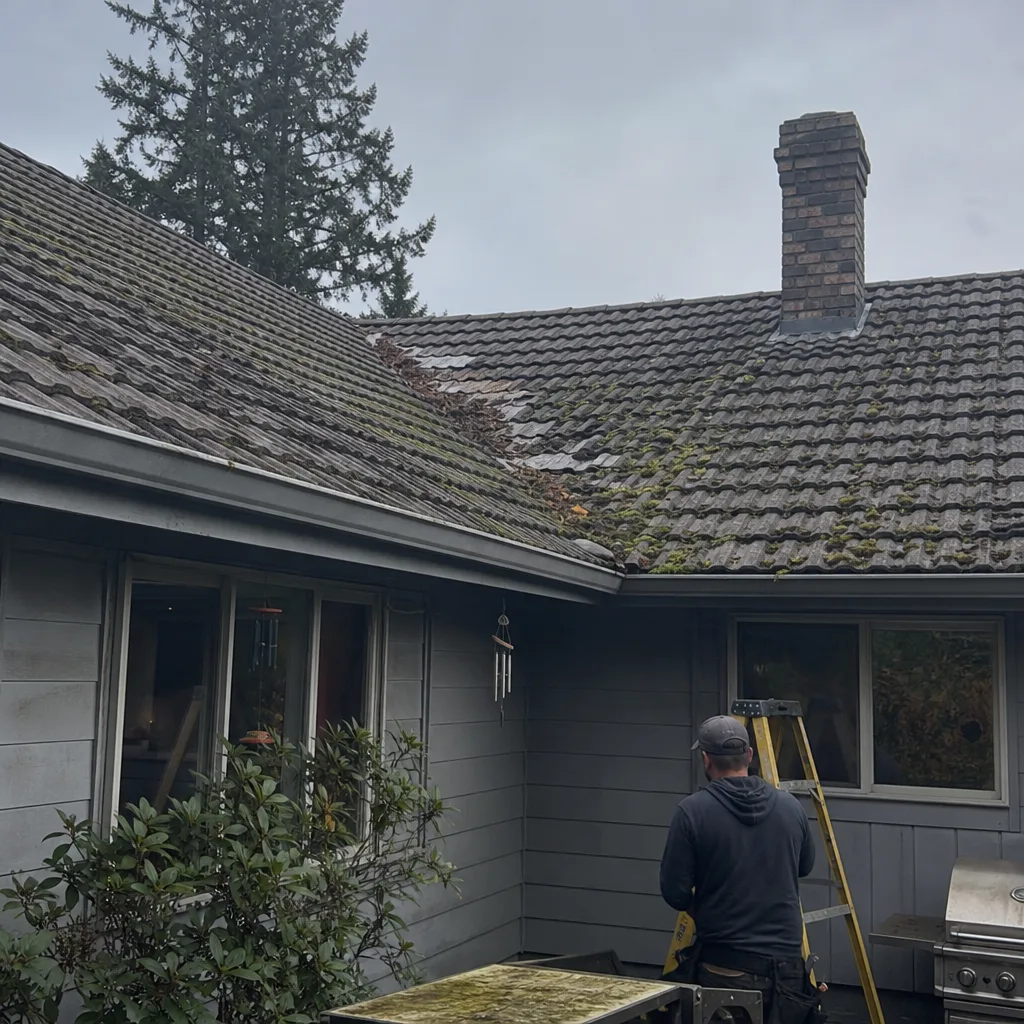 Before
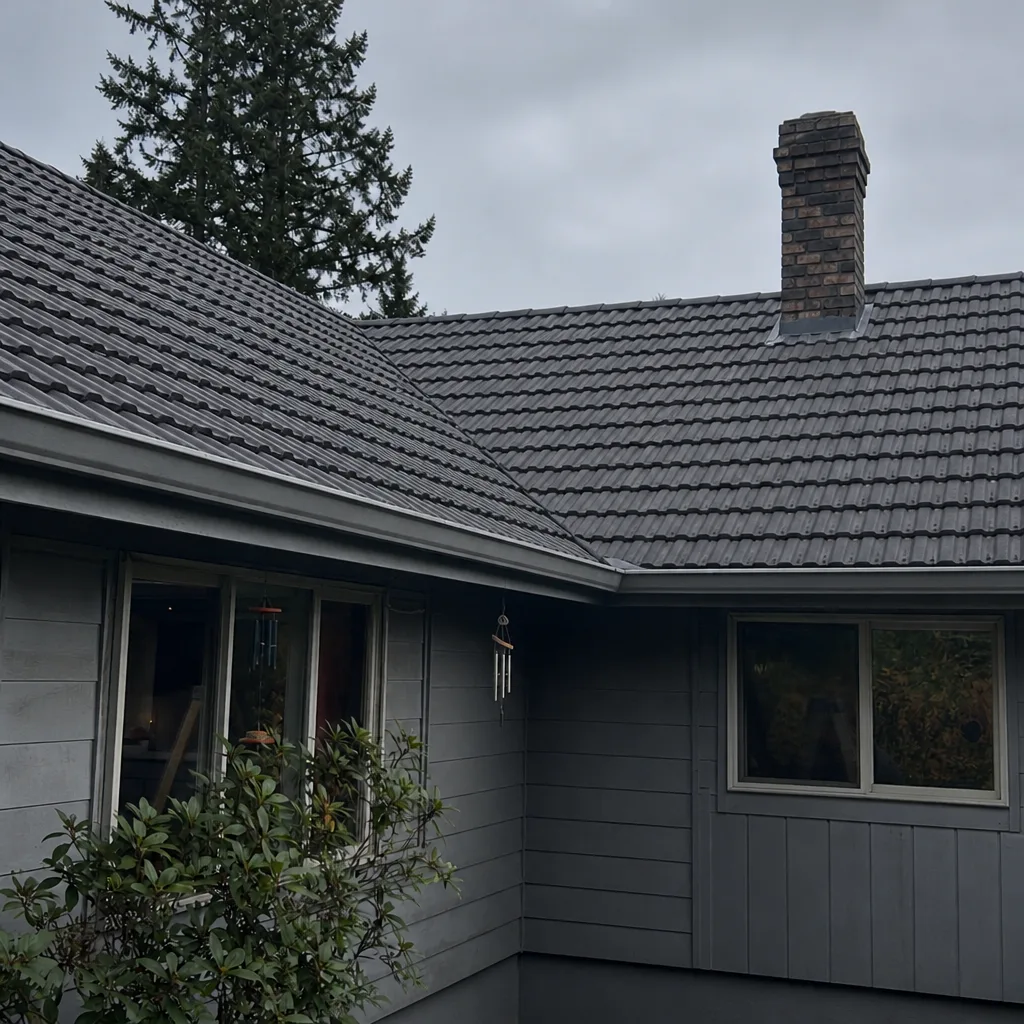 After
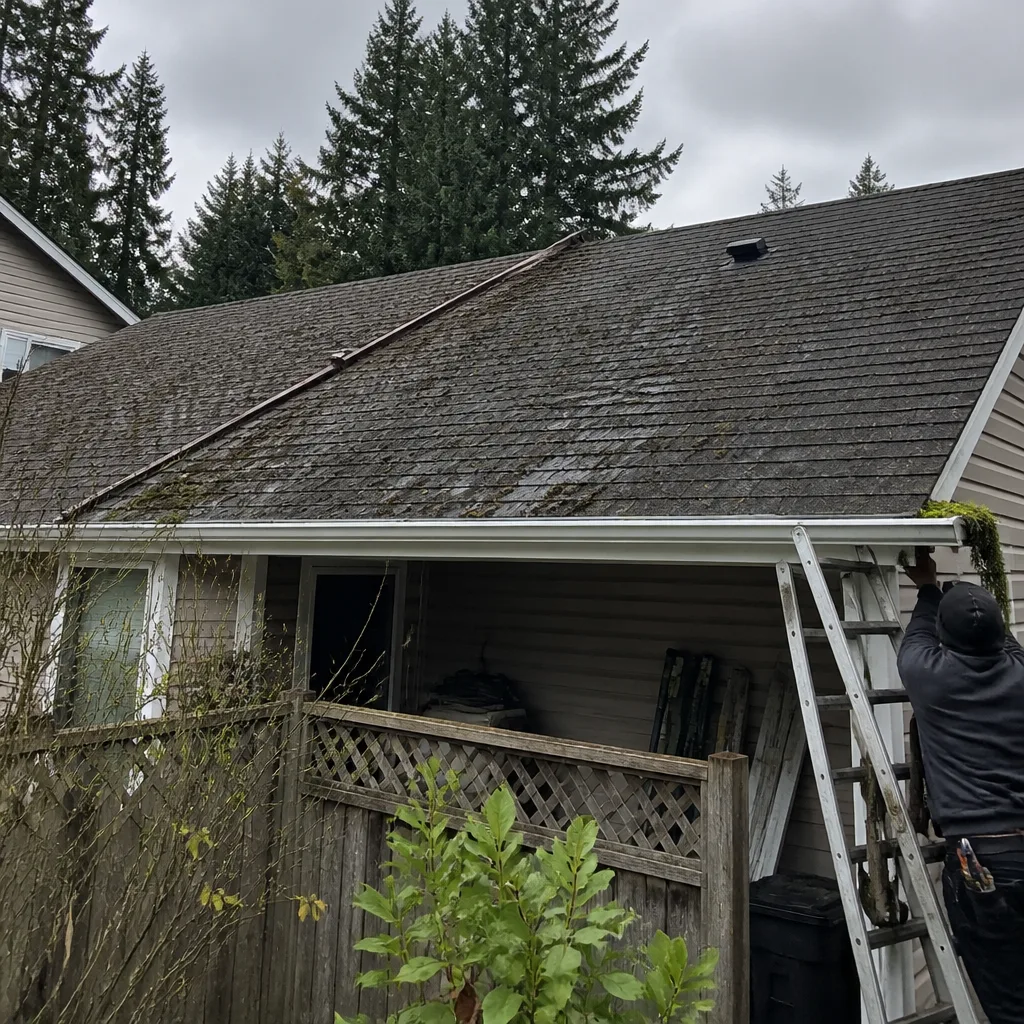 Before
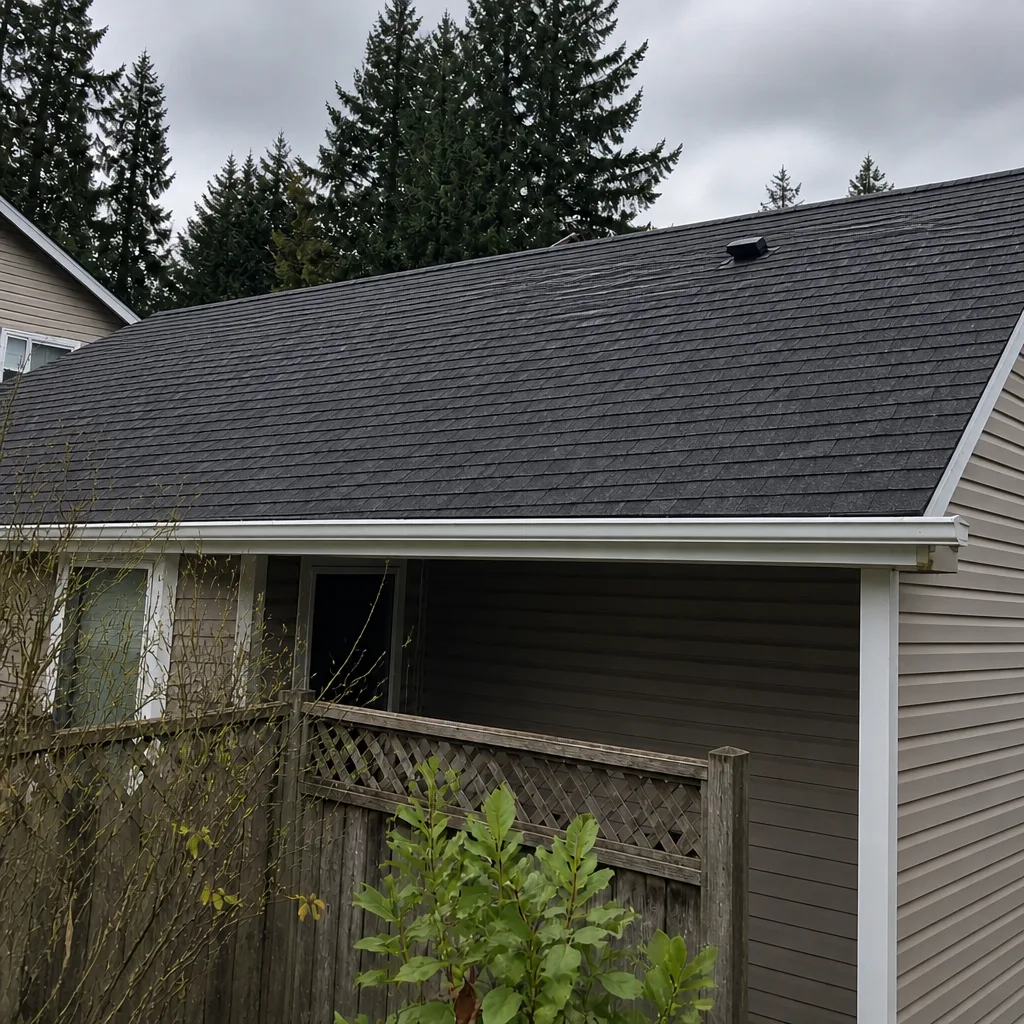 After
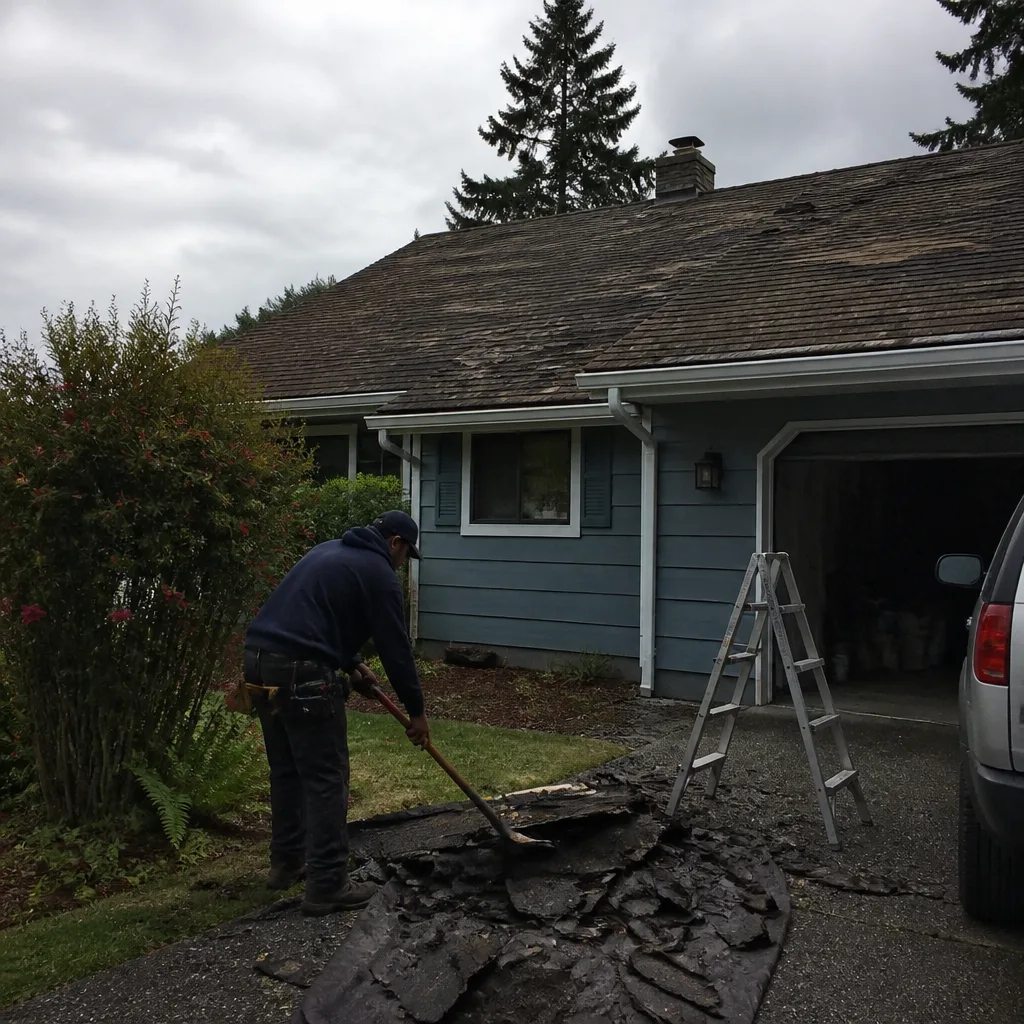 Before
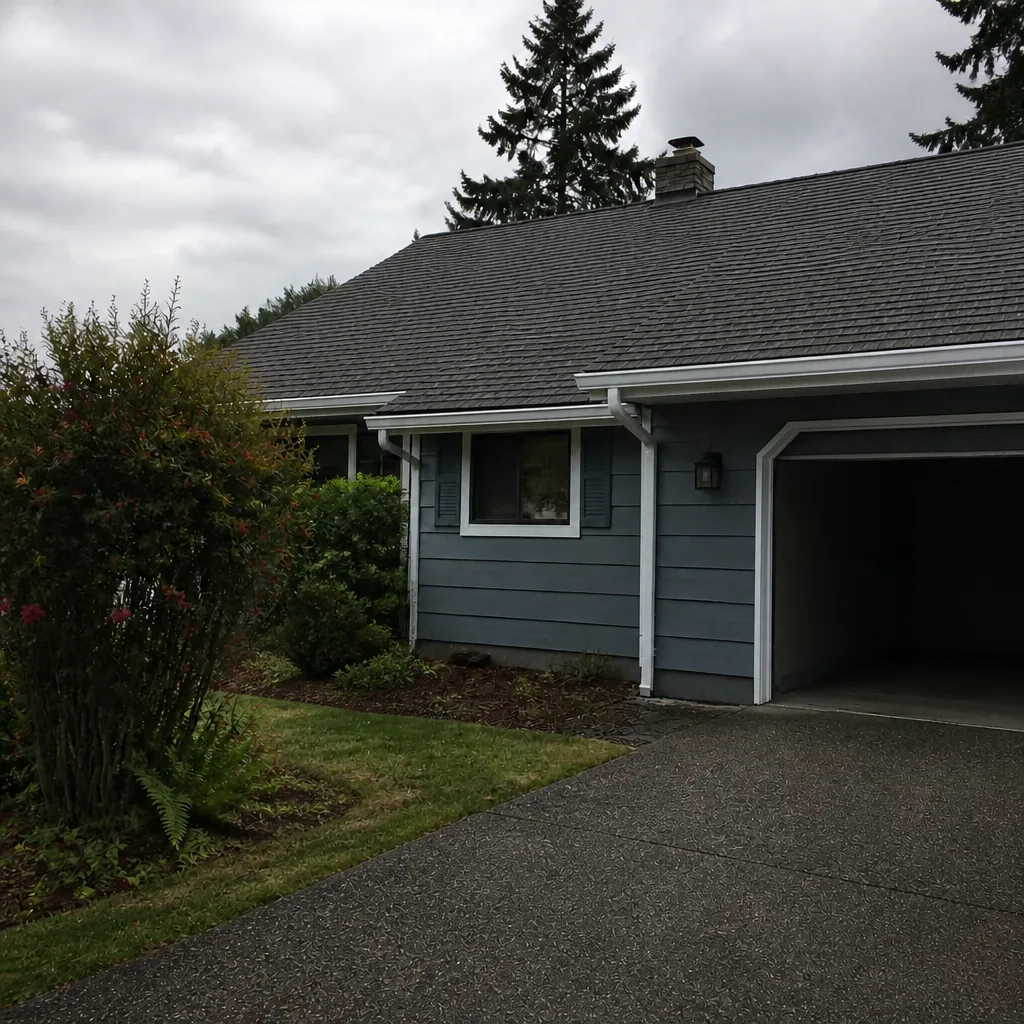 After
When to Call a Professional
Call a professional for any roofing emergency that involves more than a small, isolated leak. That means missing shingles across an area larger than a couple of square feet, active water intrusion at multiple points, visible structural sagging, damage you can’t safely reach, or any damage to a roof you can’t inspect safely from the ground. It also includes anything to do with electrical fixtures near wet ceilings. If you’re unsure whether it’s an emergency or a repair, that uncertainty is itself a reason to call. A professional can look at it and tell you, usually for the cost of an estimate. Roofing Everett offers free estimates in Everett. Call (425) 382-8630. We answer 24/7. Fast dispatch from 7am to 7pm, Sunday through Friday.
Frequently Asked Questions
Emergency repair costs in Everett vary widely: a small tarp and leak repair is typically a few hundred dollars, while repairs involving damaged sheathing, flashing, or multiple penetration points run higher. The written estimate sets the final price, and it’s free. Call (425) 382-8630 for an exact quote.
For repair work, permits are usually required when the repair exceeds certain thresholds (structural repairs, decking replacement, and full reroofs almost always need one). The local professional we connect you with will pull the permits and handle the inspection process. Call (425) 382-8630 and we can walk through what your specific job requires.
No, on a properly written estimate. Tarping and emergency repair are scoped up front, and the estimate should name the work and the price before it starts. If a contractor changes the price after work begins without a scope change, that’s a red flag. Call (425) 382-8630 to get a written, line-item estimate.
A tarp goes on within a scheduled window once we’ve inspected, and the actual repair timeline depends on the damage. Minor repairs can often be completed quickly; repairs that require ordering materials or structural work take longer. During peak storm season, scheduling alone can add days. Call (425) 382-8630 to get a realistic timeframe for your job.
Yes, for most repairs, you can stay in the home. The exception is significant structural damage or a ceiling that’s actively failing, where the concern is safety rather than convenience. If you’re unsure whether it’s safe, call us and we’ll talk it through. Call (425) 382-8630.
A roofing emergency is any situation where the roof is no longer keeping water out of the home, or where safety is compromised. A repair is a planned fix to a known problem. If water is coming in right now, that’s an emergency. Call (425) 382-8630 with the details and we can advise on whether it needs a same-day response.
The Bottom Line
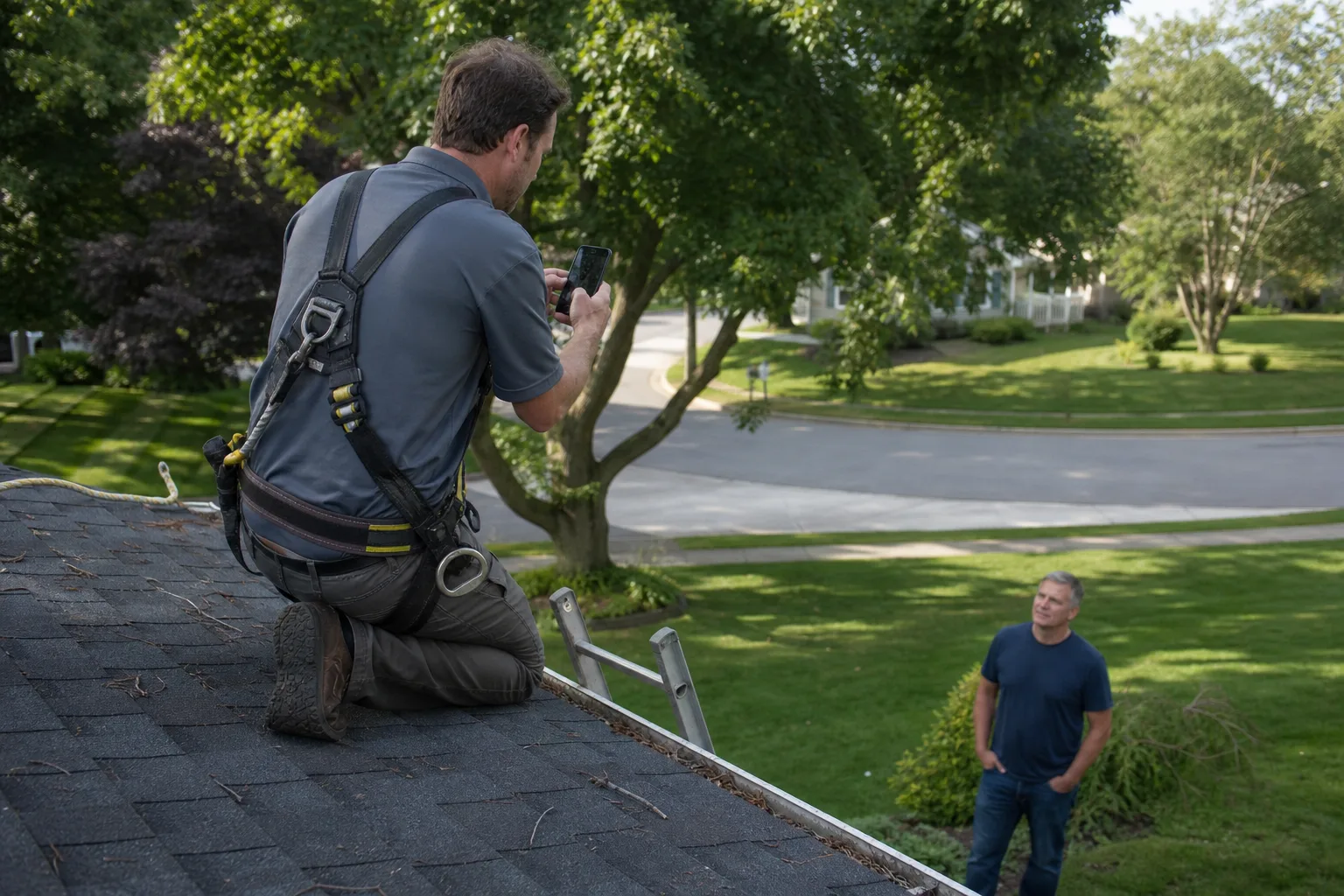
The first 24 hours after a roofing emergency in Everett decide how big the job becomes. Document first, then tarp safely, then call a professional. Most of the damage from a storm happens in those hours, not at the moment the shingle lifts, and a homeowner who has done the prep and knows what to do when the convergence zone hits will come out of the storm with a repair instead of a reconstruction. If you’re facing damage now, or want a pre-season inspection before the weather turns, Roofing Everett offers free estimates and a written, line-item quote. Call (425) 382-8630. We answer 24/7. Fast dispatch from 7am to 7pm, Sunday through Friday.
Written by the team at Roofing Everett.