Last updated November 25, 2026
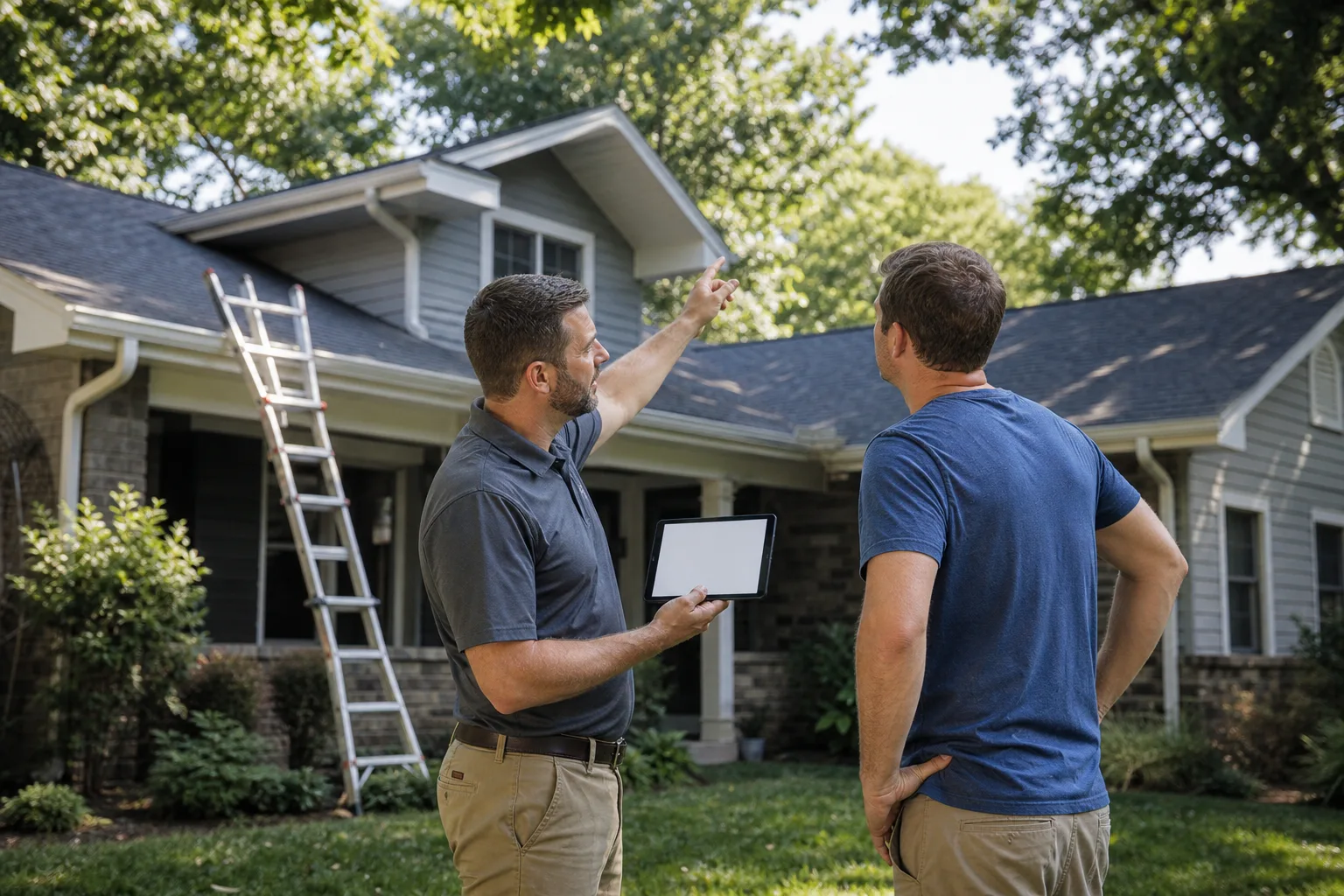
Free roof inspection with deck photos before we talk money - GAF and Owens Corning certified installation
Roofing Cost Breakdown: The Everett Homeowner’s Reference for 2026
Two bids for the same 2,000-square-foot Everett roof can land $6,000 apart, and the gap usually has nothing to do with one contractor being dishonest. One quote may spec a 3-tab shingle over basic felt; the other specs an architectural shingle over synthetic underlayment with a full ice-and-water shield at the eaves. Same house, same square count, wildly different product underneath. Most homeowners never see that difference because a single-line estimate hides it. This guide pulls a roof quote apart into its component costs so you can read a bid line by line in Everett instead of comparing totals and guessing.
Quick Answer
A full asphalt shingle roof replacement on a typical Everett home runs roughly $5.50 to $9.50 per square foot installed in 2026, which puts most 2,000-square-foot roofs in the $11,000 to $19,000 range depending on pitch, layers, decking condition, and product tier. Standing seam metal and concrete tile climb well above that, and the single biggest swing factor inside any material is the brand-and-product tier your contractor quotes. The written estimate sets the final price, and the line items below show you what should be in it.
Styles & brands we work with
- Architectural shingles
- Metal roofing
- Tile roofing
- GAF
- Owens Corning
- Flat & low-slope
Table of Contents
- What does roofing cost per square foot in Everett in 2026?
- How do shingle, metal, and tile compare on cost?
- How the brand and product tier moves your total
- Labor variables specific to Everett roofs
- The line items most homeowners never see
- Snohomish County permits and inspection costs
- Warranty upgrades and what they cost per month
- How to read an Everett roof quote, line by line
What does roofing cost per square foot in Everett in 2026?
Most Everett roof replacements fall between $5.50 and $9.50 per square foot installed for asphalt shingle, with the broad middle of the market sitting near $7 to $8 per square foot for a mid-tier architectural shingle on a normal-pitch roof. The cost is driven by four things you can actually measure on your own house: the square footage of the roof deck (not the floor plan), the pitch, the number of stories, and how much of the old roof has to come off before new material goes down.
A roofing “square” is 100 square feet of roof surface, and it is the unit almost every contractor uses to quote. An average-slope gable roof over a 2,000-square-foot home works out to roughly 22 to 26 squares once you account for overhangs, hips, valleys, and the pitch multiplier. A steep roof can add several squares of surface area for the same footprint, which is why two homes with identical floor plans can produce very different roof totals.
Here’s the per-square-foot picture across the material types for 2026 in Everett:
- 3-tab asphalt shingle: roughly $5.50 to $7.00 per square foot. The entry point, and the choice to make carefully.
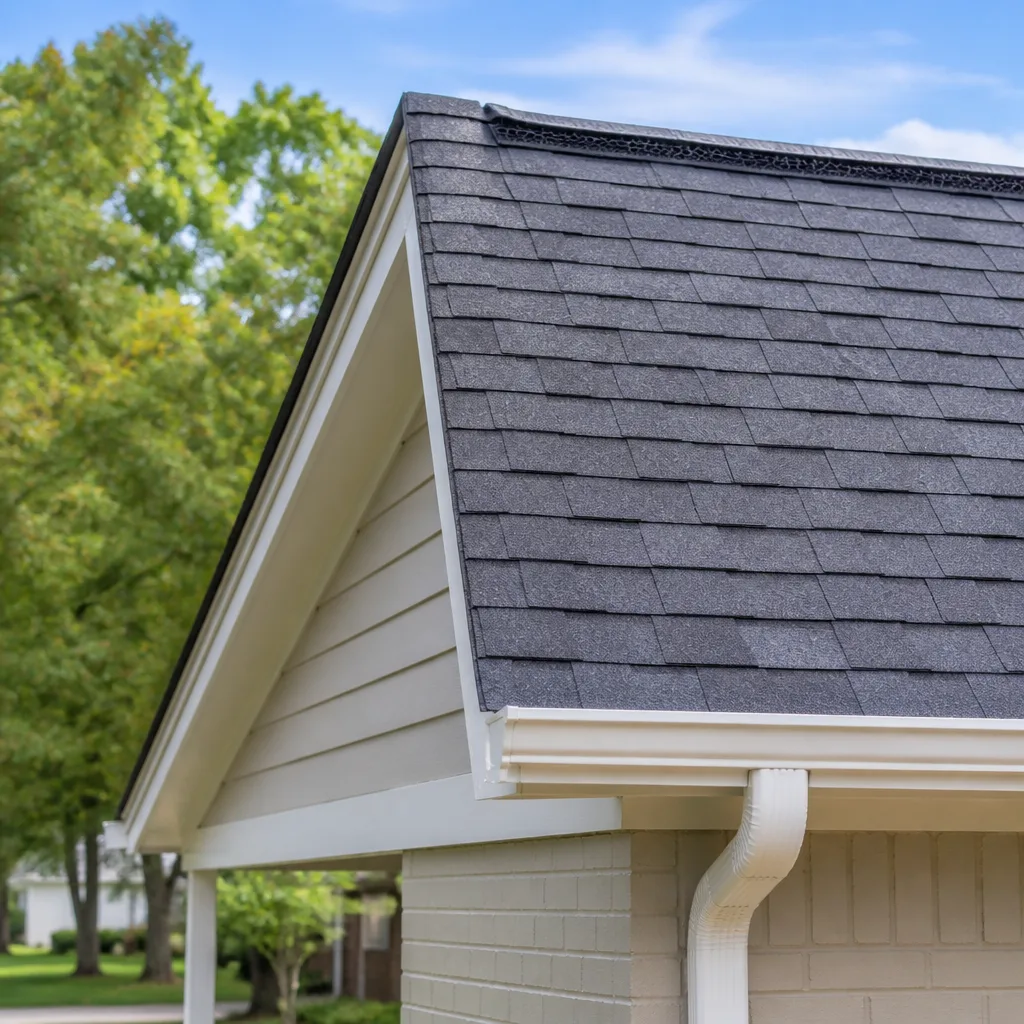
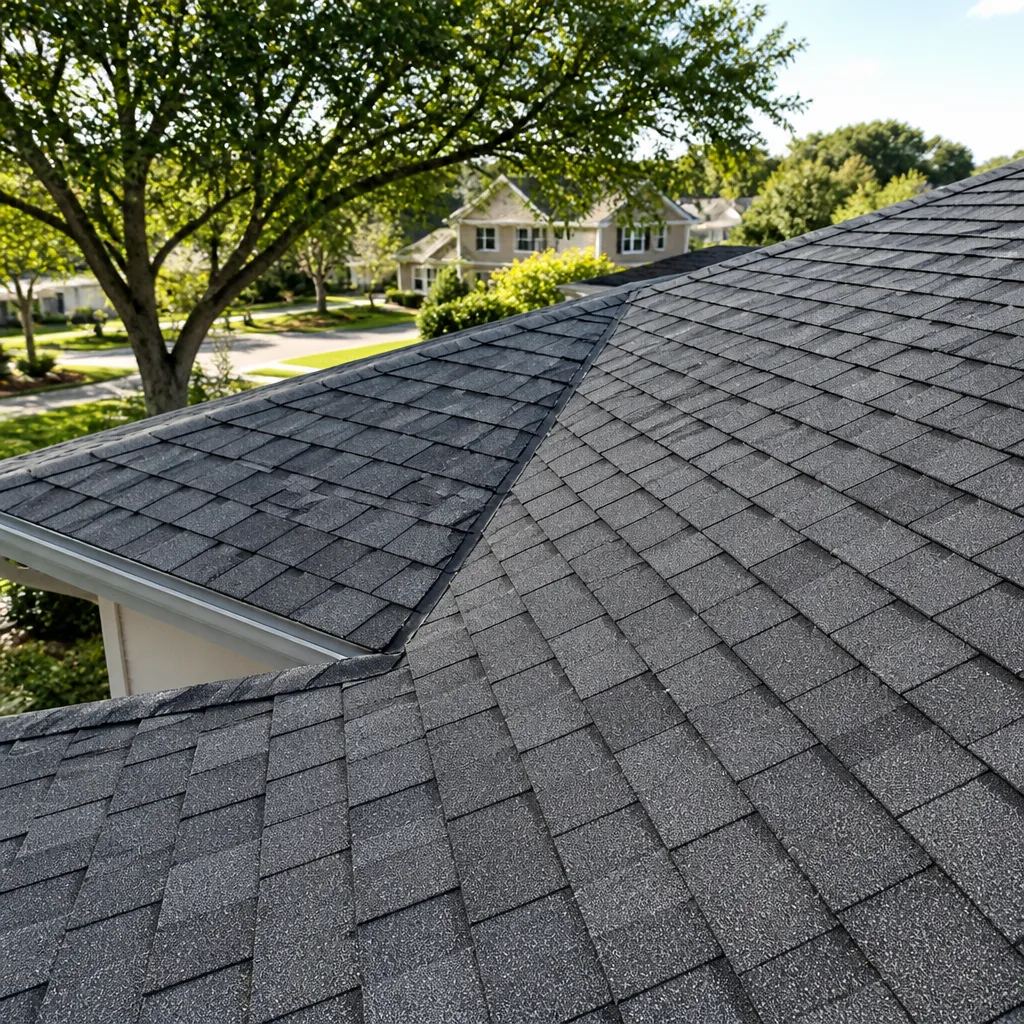
- Architectural asphalt shingle: roughly $7.00 to $9.50 per square foot. The workhorse for Everett homes and the tier most homeowners land on.
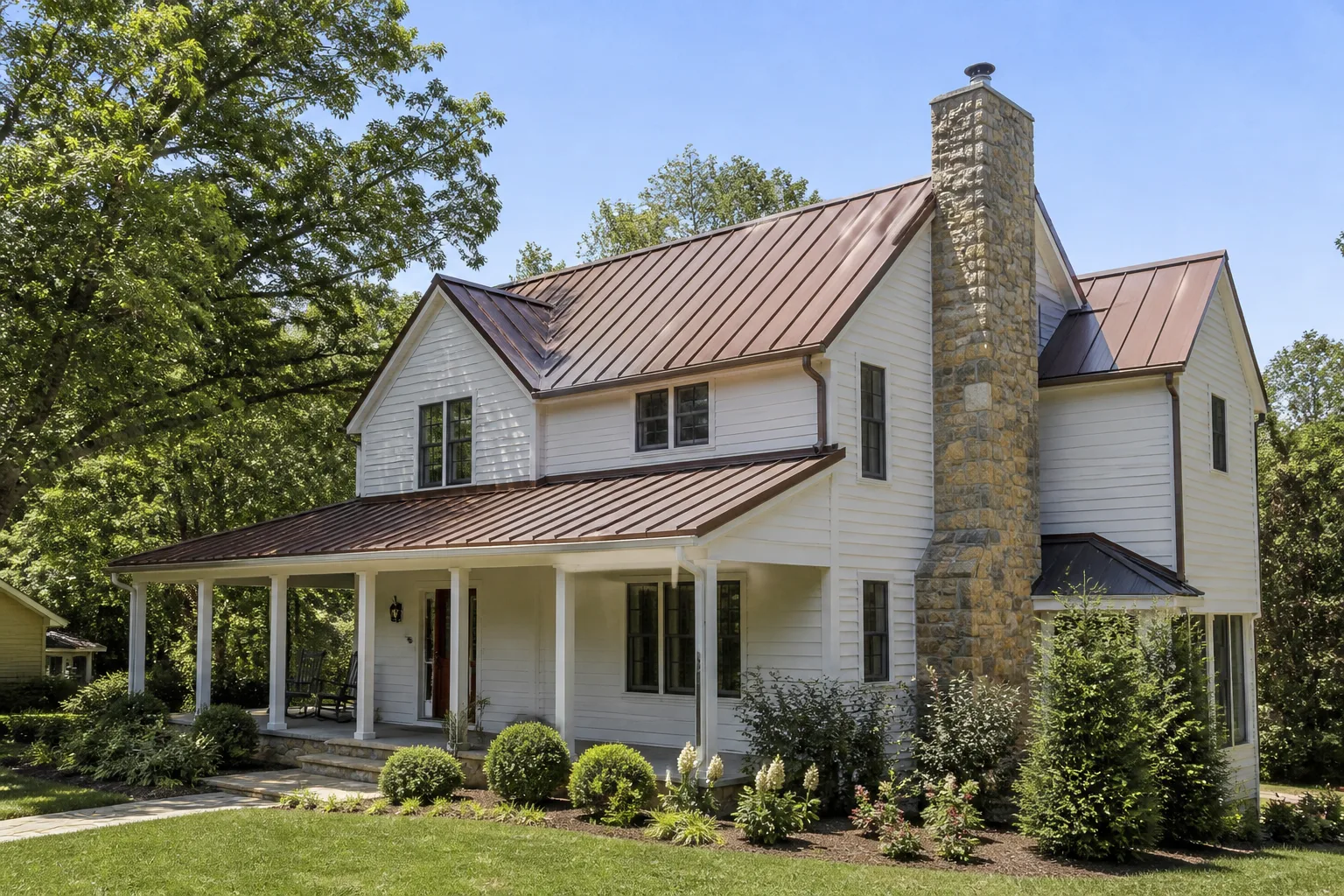
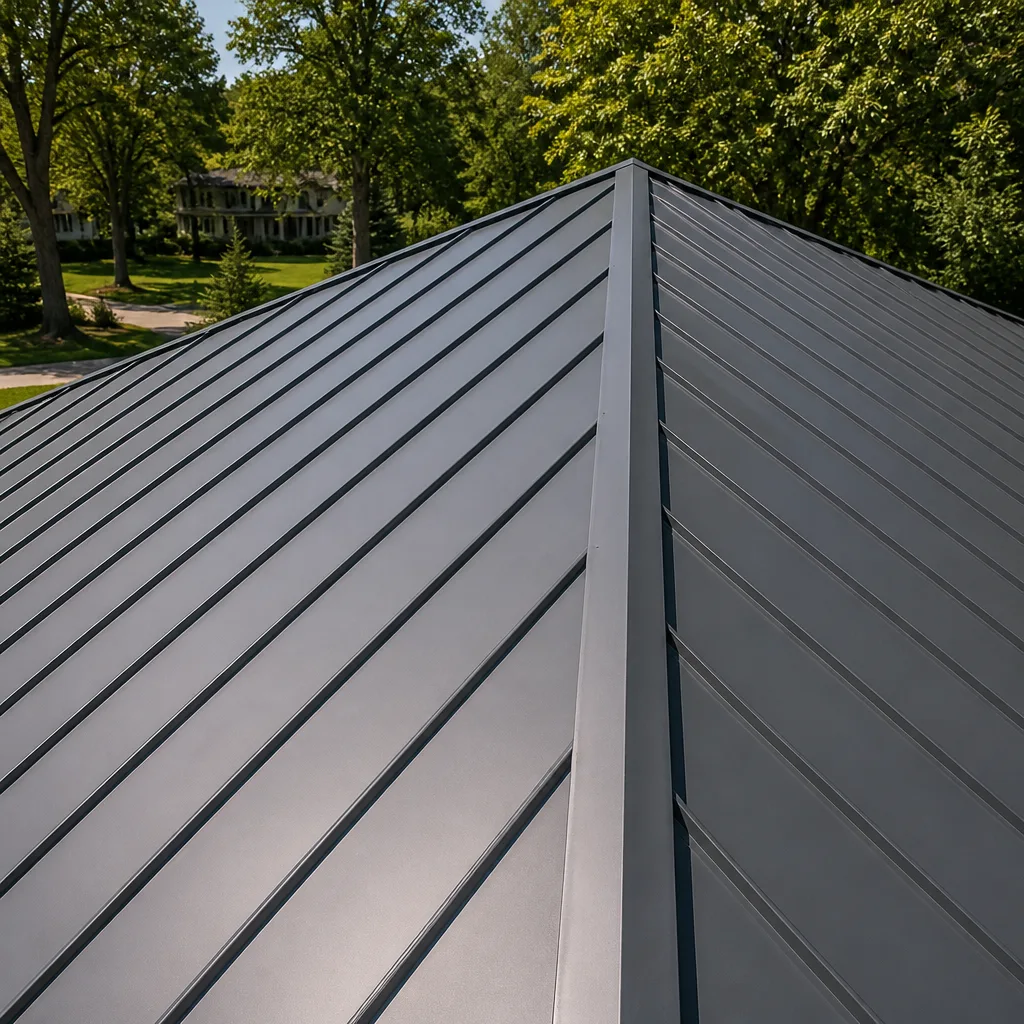
- Standing seam metal: roughly $12.00 to $20.00 per square foot. A longer-lived roof with real curb-appeal weight.
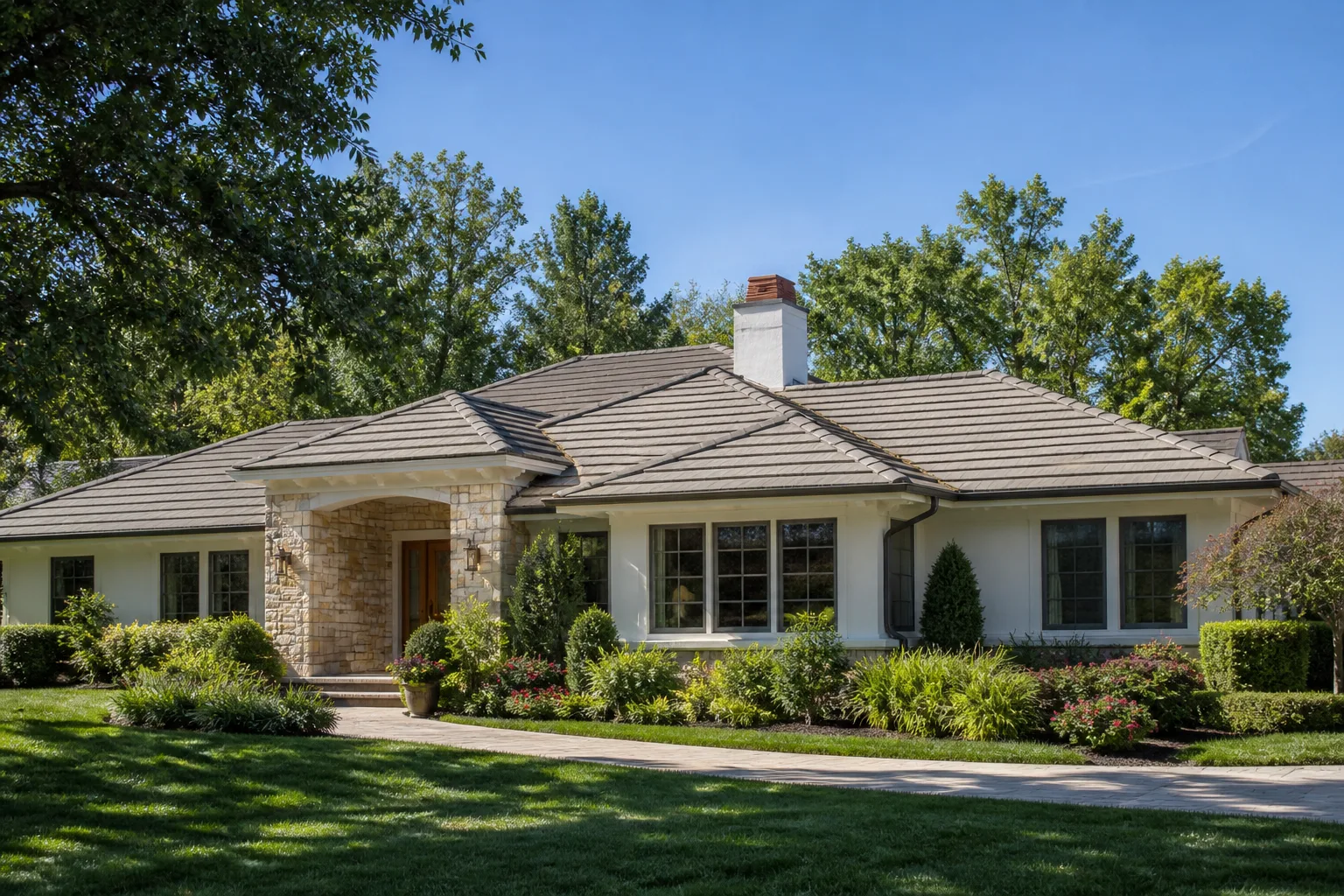
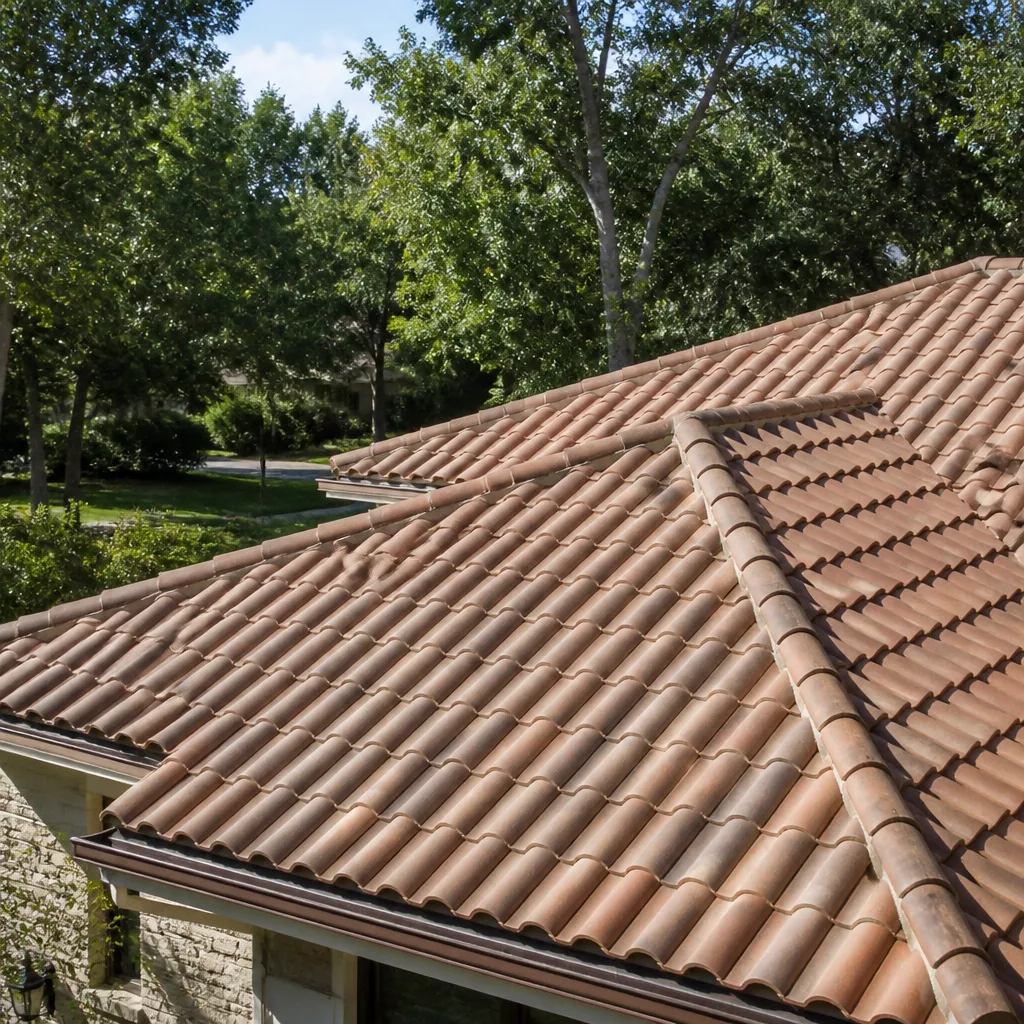
- Concrete tile: roughly $12.00 to $22.00 per square foot. Heavy, distinctive, and structurally demanding.
Those ranges assume a standard tear-off with a sound deck underneath. Add for steep pitch, multiple layers, or compromised decking, and always treat the written estimate as the authority on price. We work in all four of these systems, so we can quote more than one without steering you toward whatever we happen to stock.
How do shingle, metal, and tile compare on cost?
Choosing a roof material in Everett is a three-way trade between upfront cost, lifespan, and how much structural work the roof demands. The cheapest material is not automatically the cheapest roof once you factor in how soon it gets replaced, and the most expensive material is not always the right answer for the house underneath it.
Asphalt shingle sits at the low end of installed cost and the low-to-mid end of lifespan, and it’s the material most Everett homes wear. It’s flexible across rooflines, easy to repair, and available from every major manufacturer, which means real price competition between product lines. Architectural shingles have largely replaced 3-tab on new installations because the cost gap between them is modest and the difference in appearance and thickness is obvious from the street.
Standing seam metal costs roughly double asphalt and lasts longer, with the panels running in long vertical seams rather than overlapping tabs. It handles the wet-season rain well and sheds snow and debris cleanly. The tradeoff is cost and the need for a crew that installs metal regularly, because panel spacing and fastening details drive both performance and warranty.
Concrete tile is the heaviest and most architecturally distinctive option, and its cost reflects both the tile itself and the structural verification that may be needed to confirm your framing can carry the load. On the right house it’s a standout; on the wrong one it’s an engineering project.
A quick comparison to weigh against your own home:
- Lowest upfront cost: 3-tab shingle.
- Best balance of cost and curb appeal: architectural shingle.
- Longest service life and lowest long-run cost: standing seam metal.
- Most distinctive appearance, heaviest load: concrete tile.
If you’re weighing a full tear-off and redo, our roof replacement work covers all three systems, which means the material conversation happens with the same contractor rather than three specialists.
How the brand and product tier moves your total
The single most under-read line on a roof quote is the product name. “Architectural shingle” is not a spec; it’s a category, and the price spread inside that category is wider than most homeowners expect. This is where two apparently identical quotes diverge.
Here’s a real price ladder using three shingles you’ll see on Everett bids, from entry to premium:
- 3-tab entry shingle (GAF Royal Sovereign class): the lowest-cost option, lighter weight, shorter warranty term, and the look that dominated roofs built a generation ago. It’s a legitimate product, but it sits at the bottom of the tier ladder and it’s often the hidden reason a quote comes in low.
- Architectural mid-tier (Owens Corning Duration or GAF Timberline HDZ class): thicker profile, longer warranty, better wind performance, and the tier most Everett homeowners choose. This is the middle of the ladder, and the price difference from 3-tab is smaller than the appearance difference.
- Premium architectural (CertainTeed Grand Manor or GAF Camelot II class): the top of the ladder, with the layered look of a slate or shake roof at a fraction of tile or metal cost. You pay for thickness, design, and a longer warranty term.
The biggest jump on that ladder isn’t the tile to metal jump homeowners expect; it’s the 3-tab to architectural jump, which is typically a modest few thousand dollars on a full roof and the upgrade most people never regret. The premium-tier jump is where the price gets steeper, and where you need to decide whether the look is worth the line-item cost. We quote GAF, CertainTeed, Owens Corning, IKO, Atlas, Tamko, and Boral, so the ladder is genuinely a choice rather than a single rung.
Watch for this on any bid: a product name with no color, no line designation, and no warranty sheet attached. That’s not a spec, that’s a placeholder. Ask for the exact product line in writing, and ask what warranty tier it carries. Our shingle roofing installs quote the product line on the estimate for exactly this reason.
Labor variables specific to Everett roofs
Labor is the largest single line on most roof quotes, typically running 40 to 60 percent of the total, and it moves with conditions you can see on your own roof. The material cost is roughly fixed by the product you choose; the labor cost is where contractors genuinely differ, and where a low bid often hides a shortcut.
The first variable is pitch. A roof you can walk comfortably costs less to install than one you can’t, and a roof above a certain slope requires staging, harnesses, and slower work. Steep-pitch surcharges are real and legitimate, and a quote that ignores pitch on a steep roof is a quote that hasn’t looked closely.
The second is height and access. A single-story ranch is faster to roof than a two-story with a steep drop on the driveway side, where staging, ladder placement, and safety planning add time. Access to the yard matters too; a roof hemmed in by fences, mature landscaping, or a tight side yard adds handling time.
The third is crew certification. A certified installer crew for a given manufacturer has completed that manufacturer’s training and can offer the enhanced warranty tiers that a non-certified crew cannot. That certification carries a labor premium, and it’s worth understanding what that premium buys you before you compare it against a cheaper crew.
Finally, complexity: valleys, dormers, skylights, chimneys, and multiple roof planes all slow a crew down. A simple gable is the cheapest roof to install; a cut-up roofline with several hips and valleys is the most expensive. When we quote a job, those factors get broken out, not averaged into a single line.
The line items most homeowners never see
The line items that separate a thorough bid from a thin one are usually the ones nobody asks about. They’re not padding; they’re real costs, and if they’re missing from a quote, one of two things happens. Either the contractor has folded them into the total (fine, but you can’t see them), or the contractor plans to add them once the work starts (not fine).
Decking replacement. When the old roof comes off, some of the sheathing underneath will be soft, water-damaged, or missing. Roofers price that per sheet, not per roof, because you don’t know how many sheets until the tear-off. A good bid states the per-sheet rate upfront so there’s no surprise when the deck comes up wet. Ask for that rate before you sign anything.
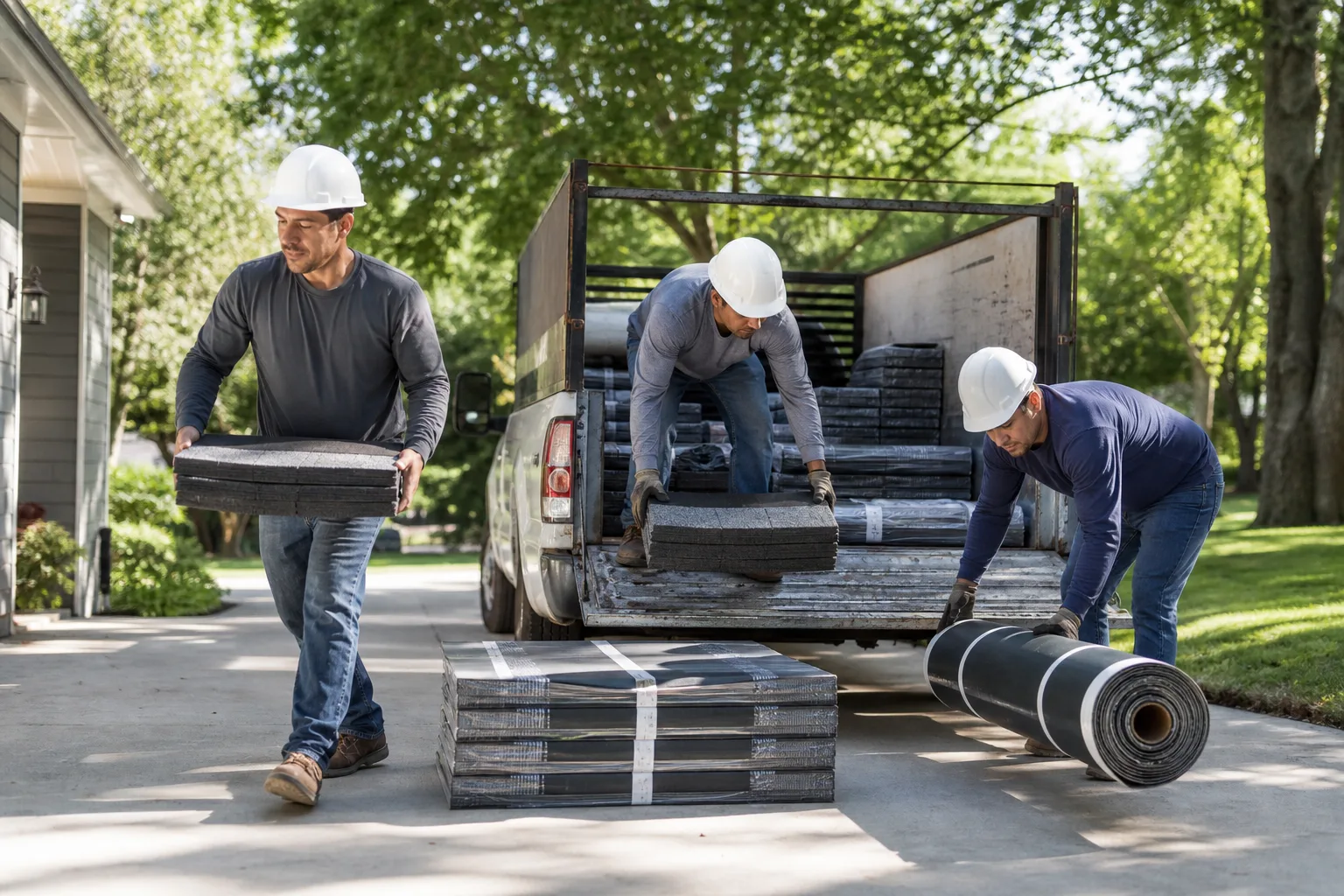
Dumpster and disposal. Tearing off a roof produces several tons of used shingles, underlayment, and nails, and hauling it away costs real money. Disposal is often separate from the labor line, and a quote that doesn’t mention it either has it bundled in or plans to leave the pile for you.
Underlayment and ice-and-water shield. The layer under the shingles is not optional, and the quality of that layer matters in a wet climate. Synthetic underlayment outperforms felt, and an ice-and-water shield at the eaves and in valleys is the difference between a roof that sheds the wet season and one that wicks moisture into the deck.
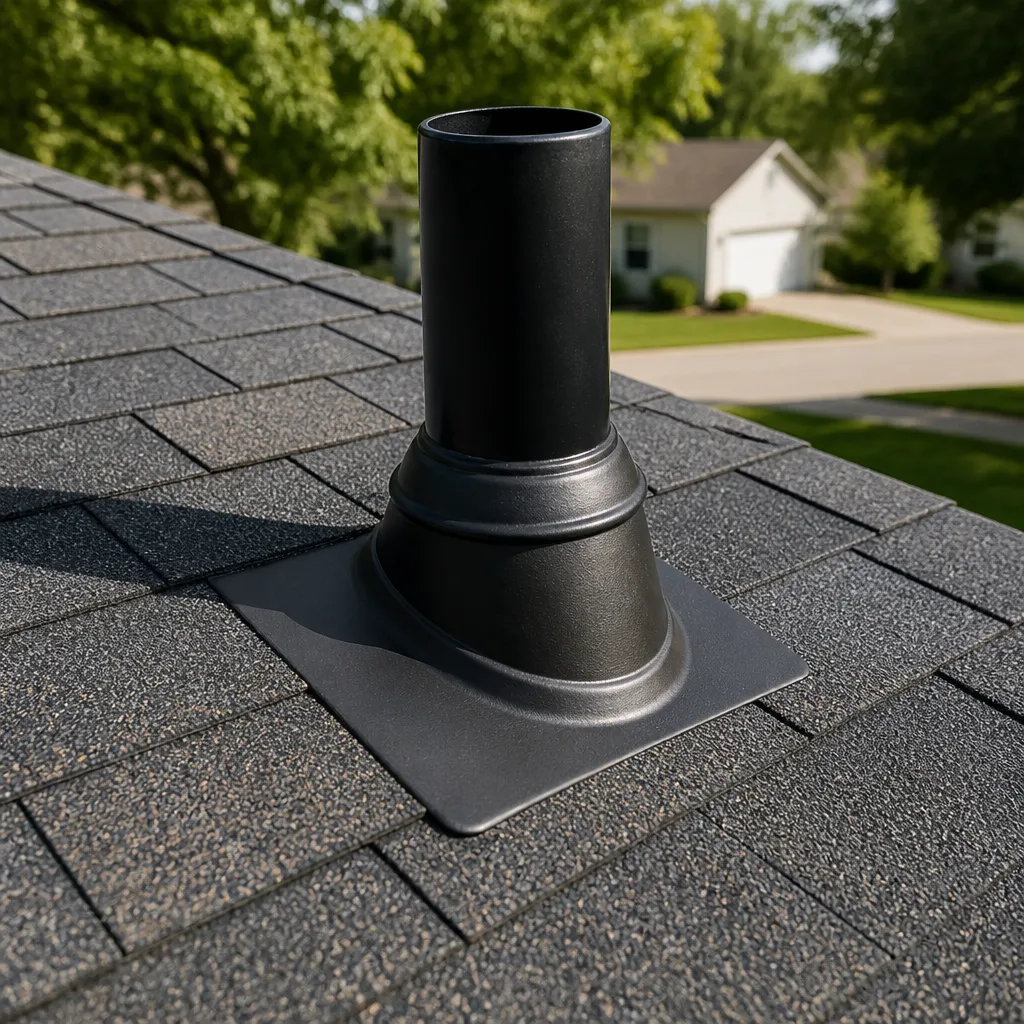
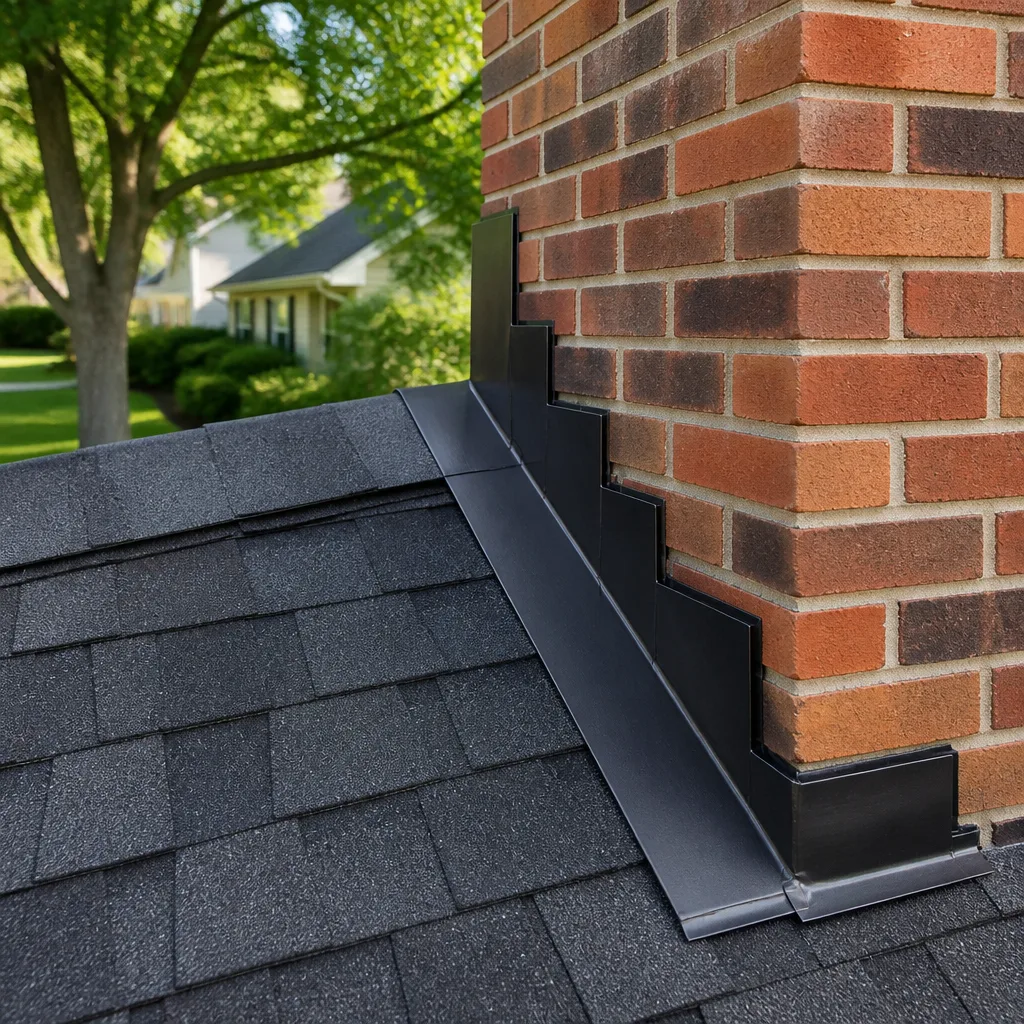
Ridge venting and flashing. Proper attic ventilation keeps the roof deck dry from below, and new flashing around chimneys, skylights, and walls is where most leaks start when it’s skipped. Both belong on the estimate.
A bid that lists only “shingles, labor, misc.” is telling you it hasn’t thought through the job. A new roof installation from the deck up should itemize exactly what goes down before the finished material does.
Snohomish County permits and inspection costs
A roof replacement in Everett is a permitted project, and the permit fee is a real line item that belongs on the estimate rather than hidden inside “misc.” The cost varies with the scope and valuation of the work, so ask your contractor to list the permit fee separately and tell you whether they’re pulling it in the company name.
The permit itself is simple; the inspection is what matters. A permitted roof gets looked at by a code official, which is your independent check that the work was done to standard rather than just done. We pull permits and pass inspections on our installs, and if a contractor swaps the word “permit” for a nod and a handshake, that’s a shortcut you don’t want.
Permits also matter for warranty. Many manufacturer warranties are tied to correct installation to code, and an unpermitted job can complicate a future claim. Ask for the permit and the inspection record at the end of the job, and keep both with your warranty paperwork.
Snohomish County’s wet climate means the code details that matter most are the ones about water: ice-and-water protection at the eaves, proper flashing, and underlayment continuity. An inspector who knows the local code will look for those, and so should you.
Warranty upgrades and what they cost per month
Manufacturer warranties come in tiers, and the upgrade from a standard to an enhanced warranty is usually a modest line item on a full roof replacement. Priced out over the 20-year lifespan most homeowners get from an architectural shingle roof, the monthly cost of the upgrade is often smaller than a streaming subscription, while the coverage difference can be substantial when a claim ever comes up.
Here’s how to think about the tradeoff across the lifespan of the roof:
- Standard warranty: typically covers material defects on a prorated basis and is tied to standard installation methods. It’s the baseline, not a reason to worry.
- Enhanced or certified-installer warranty: usually adds coverage for labor and for longer terms, and it requires installation by a certified crew for that manufacturer. This is where the certification premium on labor earns its money.
- What the upgrade costs per month: priced over 20 years, the difference is small and generally in the low single digits per month depending on the product line. Ask for the exact figure in writing so you can compare it against the coverage gap.
Financing is the other lever. Most roof replacements can be financed rather than paid outright, and the monthly payment depends on the term and rate you qualify for. The point of both the warranty and the financing is the same: pick the roof you want based on lifespan and coverage, then decide how to pay for it, rather than picking the cheapest total on day one and discovering the gap later.
How to read an Everett roof quote, line by line
Once you know the components, reading a bid is straightforward. Work through it in order and make the contractor fill in anything that’s missing. A good quote answers these questions before you ask; a thin one dodges them.
Here’s the checklist we’d use on any Everett roof bid:
- Roof size in squares. Is it measured from the actual roof surface with pitch factored in, or from the floor plan?
- Material, by product line. Exact manufacturer and product tier, not just “architectural shingle.” This is where the $6,000 gap lives.
- Tear-off and layers. How many existing layers are being removed, and is disposal included?
- Underlayment and ice-and-water shield. Named product, and where it’s being installed.
- Decking rate per sheet. Stated upfront so tear-off surprises don’t become change orders.
- Labor variables. Pitch, height, access, and certification called out rather than averaged.
- Permit and inspection. Listed separately, pulled in the contractor’s name.
- Warranty tier. Which manufacturer warranty, what it covers, and whether the crew is certified for it.
If the quote answers all eight, you can compare it against another answer-all-eight quote on price with confidence. If it doesn’t, ask. When you’re comparing bids on the same roof, our Roofing Everett estimates are free and itemized, so you can put them side by side with whatever else you’ve collected.
Common Mistakes to Avoid
- Comparing totals instead of line items. Two bids can look thousands apart and be priced for two different roofs. Compare the product line and the underlayment before you compare the bottom line.
- Accepting “architectural shingle” as a spec. It’s a category, not a product. Ask for the exact manufacturer and line, or you’re buying a placeholder.
- Not asking the decking rate per sheet. Everett roofs that have been wet for a couple of seasons often have soft sheathing underneath, and the per-sheet rate is the difference between a stated cost and a change order.
- Skipping the permit to save a line item. An unpermitted roof can complicate warranty claims and resale, and the permit fee is a small part of the total.
- Choosing a crew that isn’t certified for the manufacturer. The enhanced warranty tiers generally require certified installation, and a cheaper non-certified crew can cost you the coverage upgrade you thought you were getting.
- Ignoring attic ventilation. Roofs fail from below as often as from above, and a bid that doesn’t address venting is a bid that’s planning for a shorter life.
- Letting one contractor pick the material for you. A contractor who only installs shingles will quote you shingles, whether or not tile or metal fits your house. Ask for the comparison.
See the difference
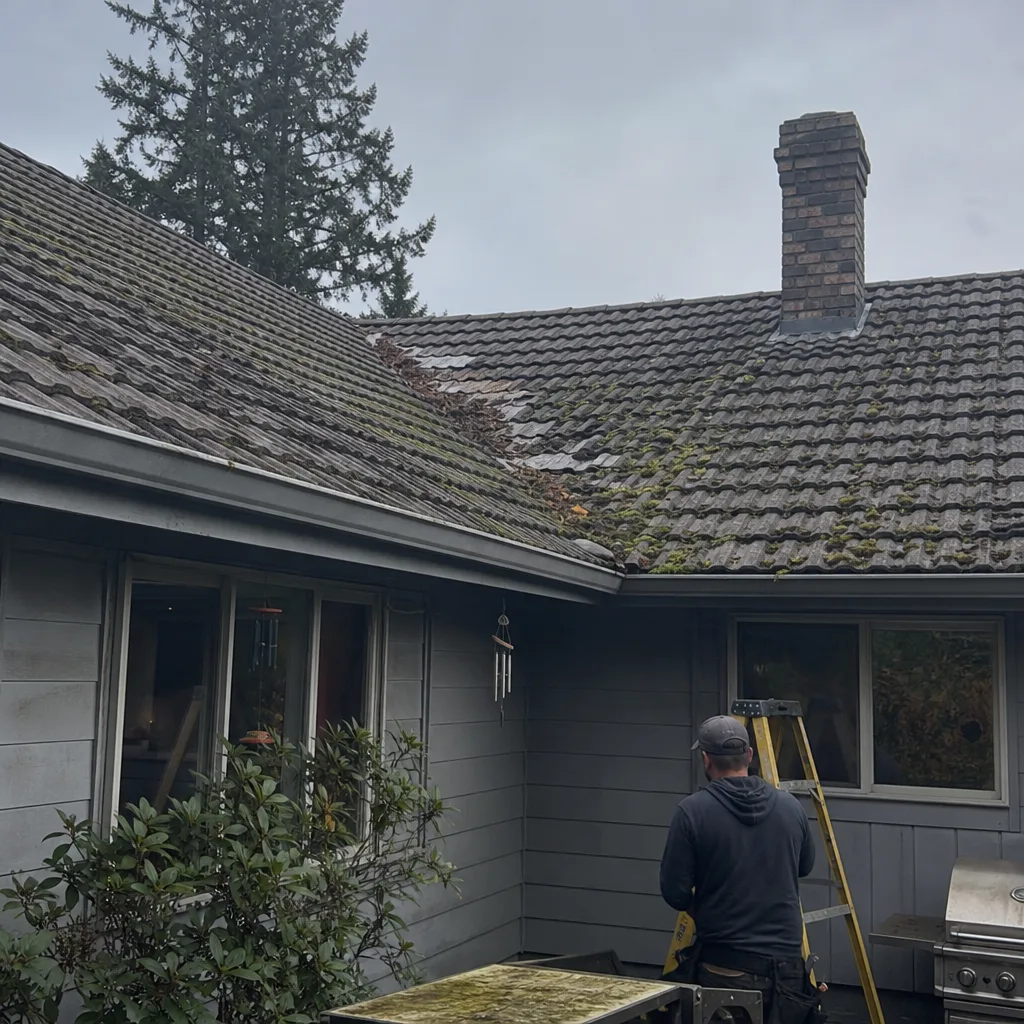 Before
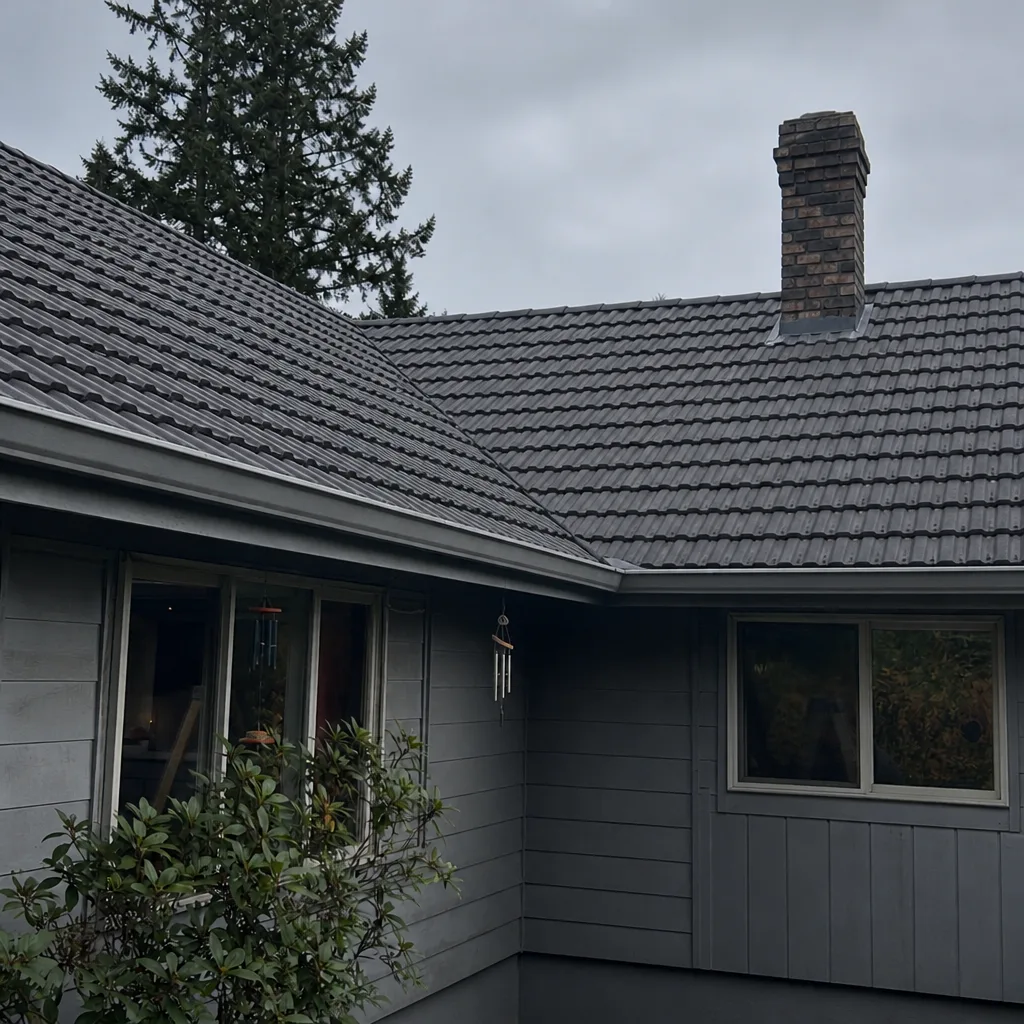 After
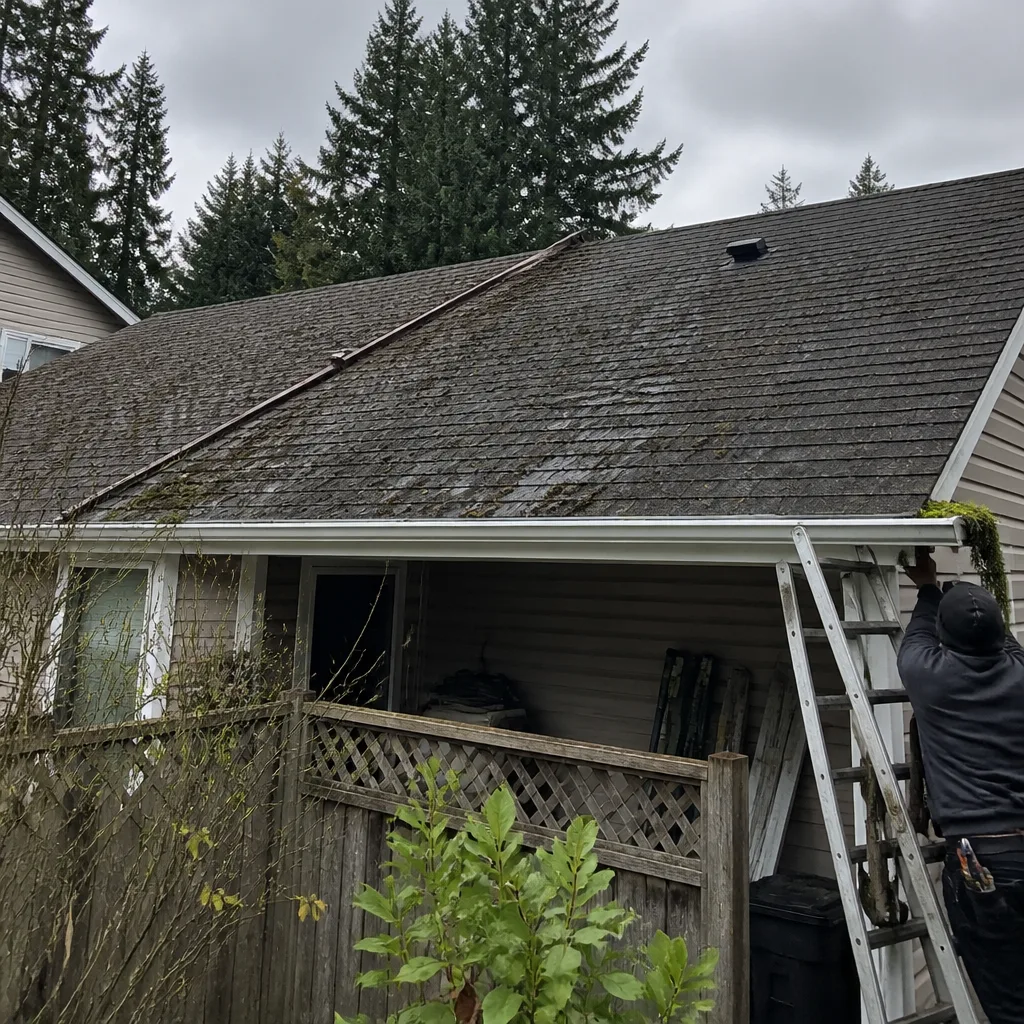 Before
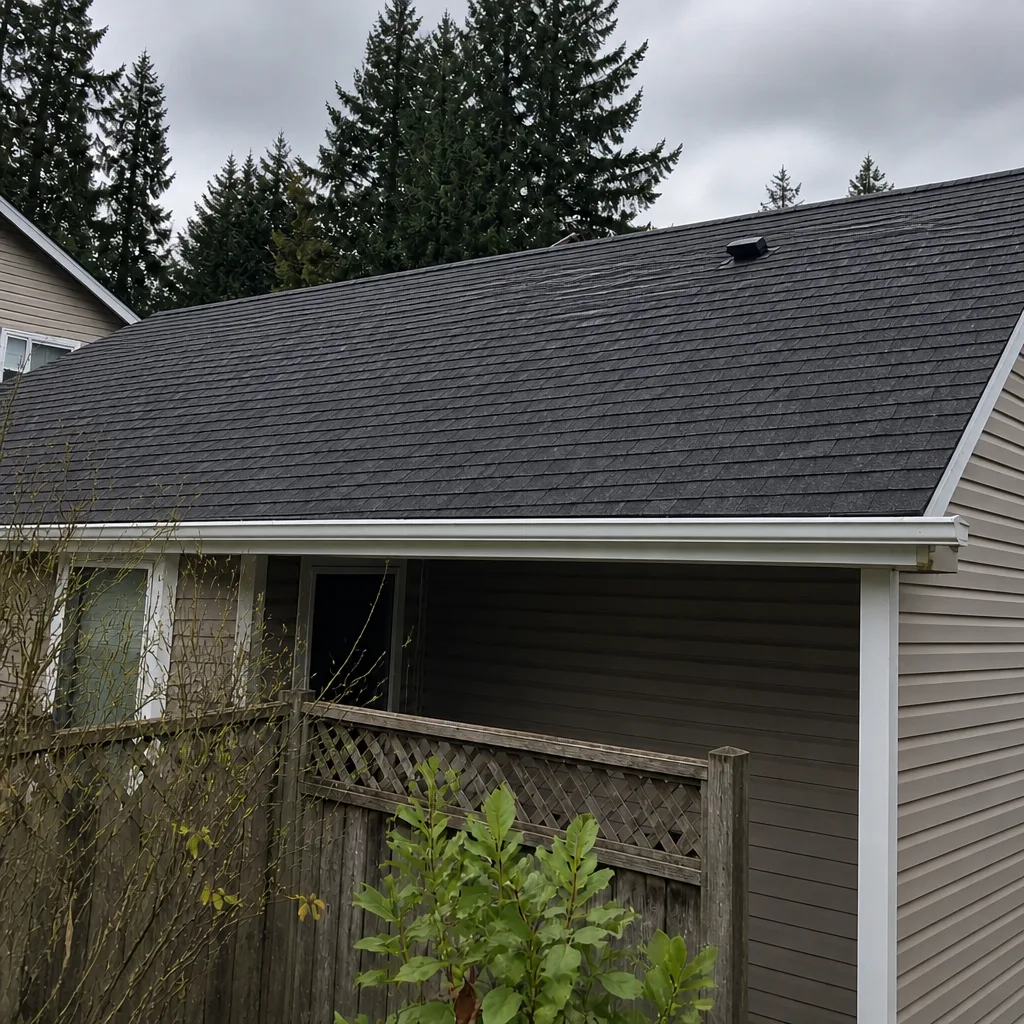 After
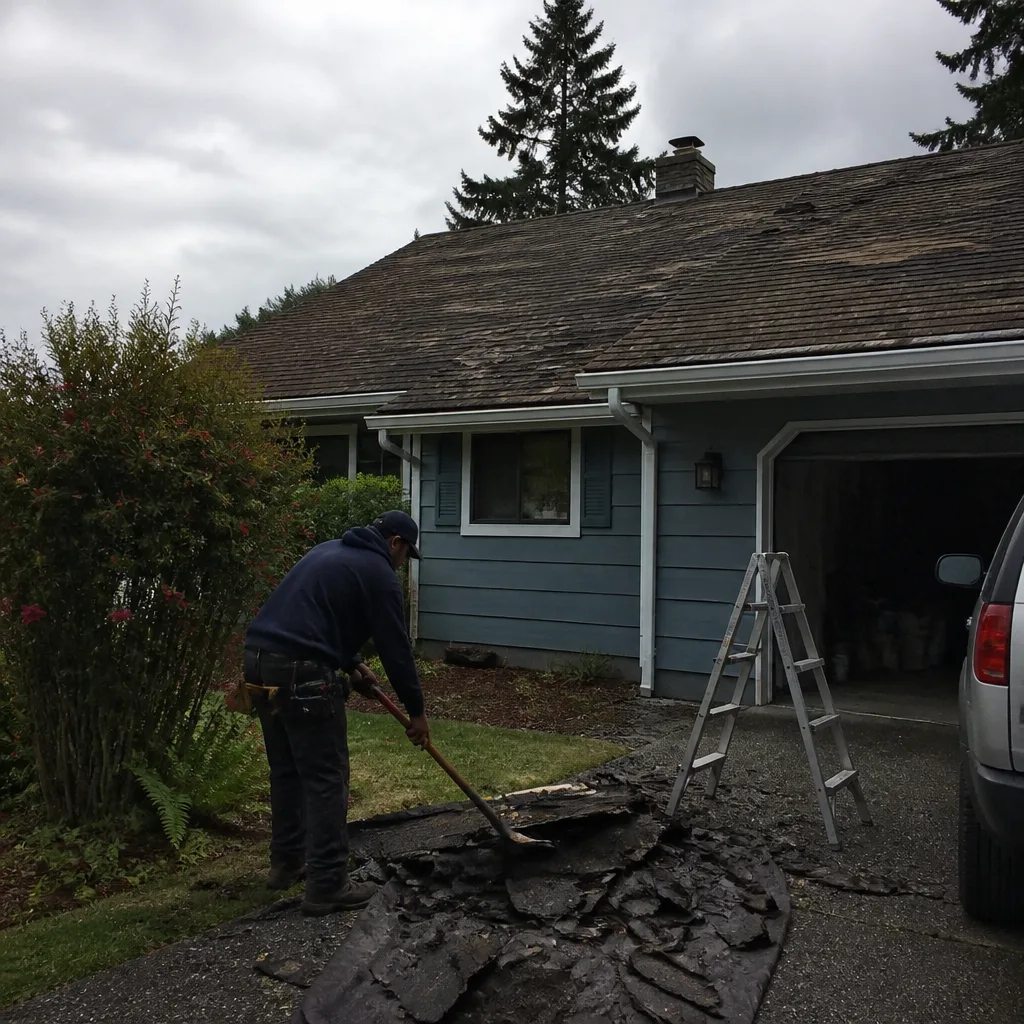 Before
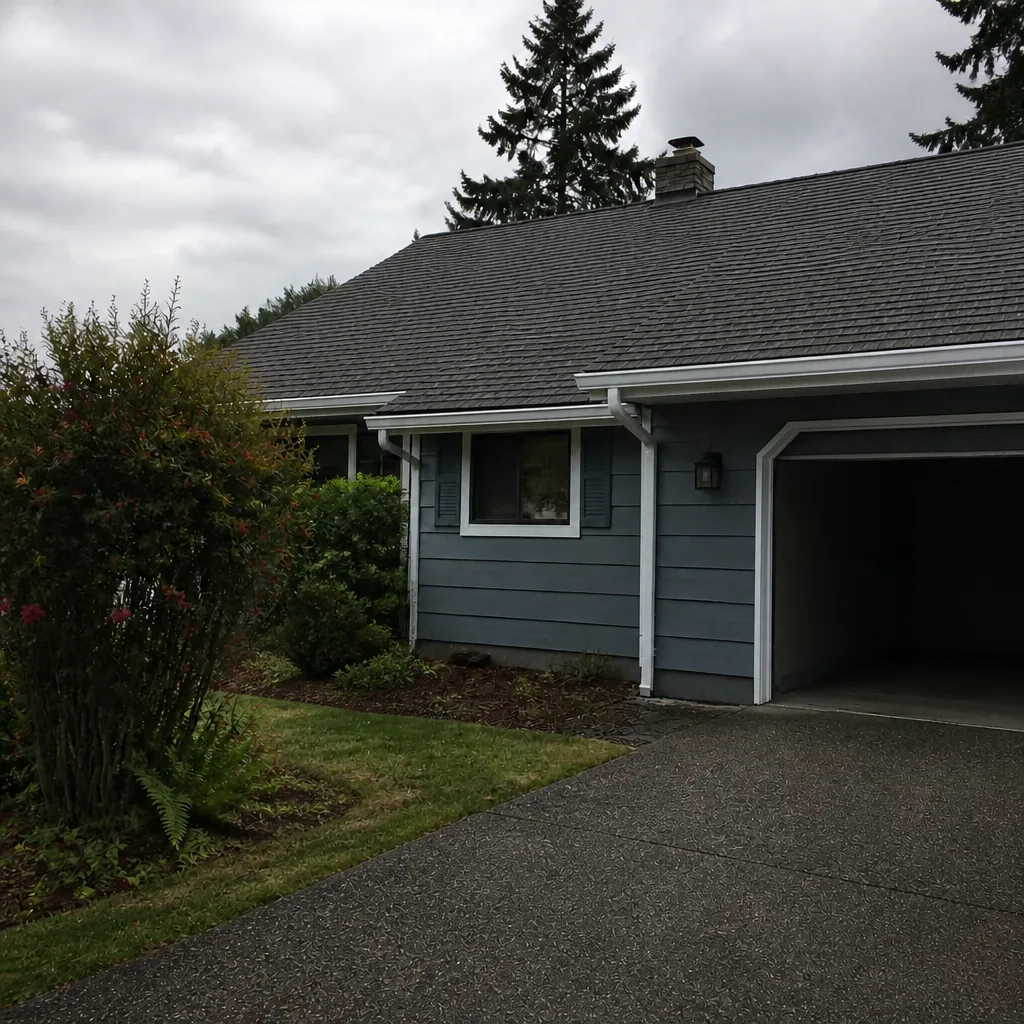 After
When to Call a Professional
Call for an estimate when your roof is over 20 years old and you’re planning to stay in the house, when you’ve seen granule loss in the gutters or staining on the ceiling, or when you’re comparing bids and want a second itemized quote to check the first. Call when you’re building or remodeling and need a roof installed from the deck up. Call when you’re weighing metal or tile against shingle and want the comparison priced, not just described. Roofing involves heights, used shingle disposal, and wet-season timing that punishes shortcuts, and a trained professional is the right call for all of it. Roofing Everett offers free estimates in Everett. Call (425) 382-8630. We answer 24/7. Fast dispatch from 7am to 7pm, Sunday through Friday.
Frequently Asked Questions
Most Everett roof replacements run roughly $5.50 to $9.50 per square foot installed for asphalt shingle, which puts a typical 2,000-square-foot roof in the $11,000 to $19,000 range depending on pitch, layers, decking, and product tier. Metal and tile run above that, from about $12 per square foot upward. Call (425) 382-8630 for an exact quote; estimates are free.
It shouldn’t, if the quote lists the decking rate per sheet and the scope upfront. The written estimate sets the final price, and the only legitimate adjustment comes from conditions that were physically impossible to see before tear-off, like soft sheathing. Ask for the per-sheet decking rate before you sign so that adjustment is already a known number.
Yes, we pull the permit and pass the inspection on our installs, and the permit fee is listed on the estimate. Ask any contractor you compare whether the permit is included and pulled in their name, because an unpermitted roof can complicate both warranty claims and resale.
Standing seam metal typically runs about $12 to $20 per square foot installed, and concrete tile about $12 to $22 per square foot, against roughly $7 to $9.50 for a mid-tier architectural shingle. The gap is real, and it buys a longer service life and a different look. We install all three systems, so the comparison gets quoted rather than just described.
A typical asphalt shingle replacement on a standard Everett home takes a few days once materials are on site, with steep or cut-up rooflines adding time. Metal and tile take longer because the installation is slower and more detailed. Your estimate should state a projected duration, and the schedule depends on weather and material lead times in the wet season.
Ask for the exact product line, not just the brand: GAF Timberline HDZ, Owens Corning Duration, and CertainTeed Landmark are the architectural tiers most Everett homeowners compare, and the entry and premium tiers from those same manufacturers bracket them on price. We work with GAF, CertainTeed, Owens Corning, IKO, Atlas, Tamko, and Boral, so you can see the ladder rather than a single rung. Call (425) 382-8630 to price the tier you want.
The Bottom Line
A roof quote is a stack of decisions, and the total at the bottom is only as good as the product line, underlayment, decking rate, permit, and warranty tier behind it. Compare bids line by line, ask for the exact shingle or panel line by name, and get the decking rate in writing before tear-off. The cheapest total is rarely the cheapest roof over 20 years, and the priciest one isn’t automatically right for your house. Pick the material and tier that fit, then judge the quotes against a spec you can actually read. In Everett, that’s the difference between a fair price and a mystery number.
Get a Free Estimate
Call (425) 382-8630 for a free, itemized estimate on your Everett roof. We answer 24/7. Fast dispatch from 7am to 7pm, Sunday through Friday. We’ll price the material you’re considering, put the product line and warranty tier in writing, and give you a quote you can put side by side with any other bid you’ve collected. Choose your material, not ours.
Written by the team at Roofing Everett.