Last updated November 25, 2026
Free roof inspection with deck photos before we talk money - GAF and Owens Corning certified installation
The Complete Guide to Roofing in Everett
Most roofing guides are written for a national audience and end up telling you almost nothing about the roof over your house. They talk about sun exposure and hail, then leave out the two forces that actually decide how a roof performs in Everett: rain and moss. Here, a roof’s biggest enemy isn’t heat. It’s saturation and the green growth that follows it. So before you pick a color or a shingle line, you need to understand which materials survive this climate and which ones simply don’t belong here. That’s what this guide covers: shingle, tile, and metal filtered through Everett’s real conditions, the brands worth comparing, and the decisions that separate a roof that lasts from one that’s failing early.
Quick Answer
In Everett, the best roof is one built for wet, moss-prone conditions rather than sun. Asphalt shingles with algae resistance are the most common choice and the best value for most homes, standing-seam metal lasts longest and sheds moss, and tile suits specific architectural styles but needs structural support. Whichever you choose, correct pitch, ventilation, and algae-resistant materials matter more here than in almost any other climate.
Styles & brands we work with
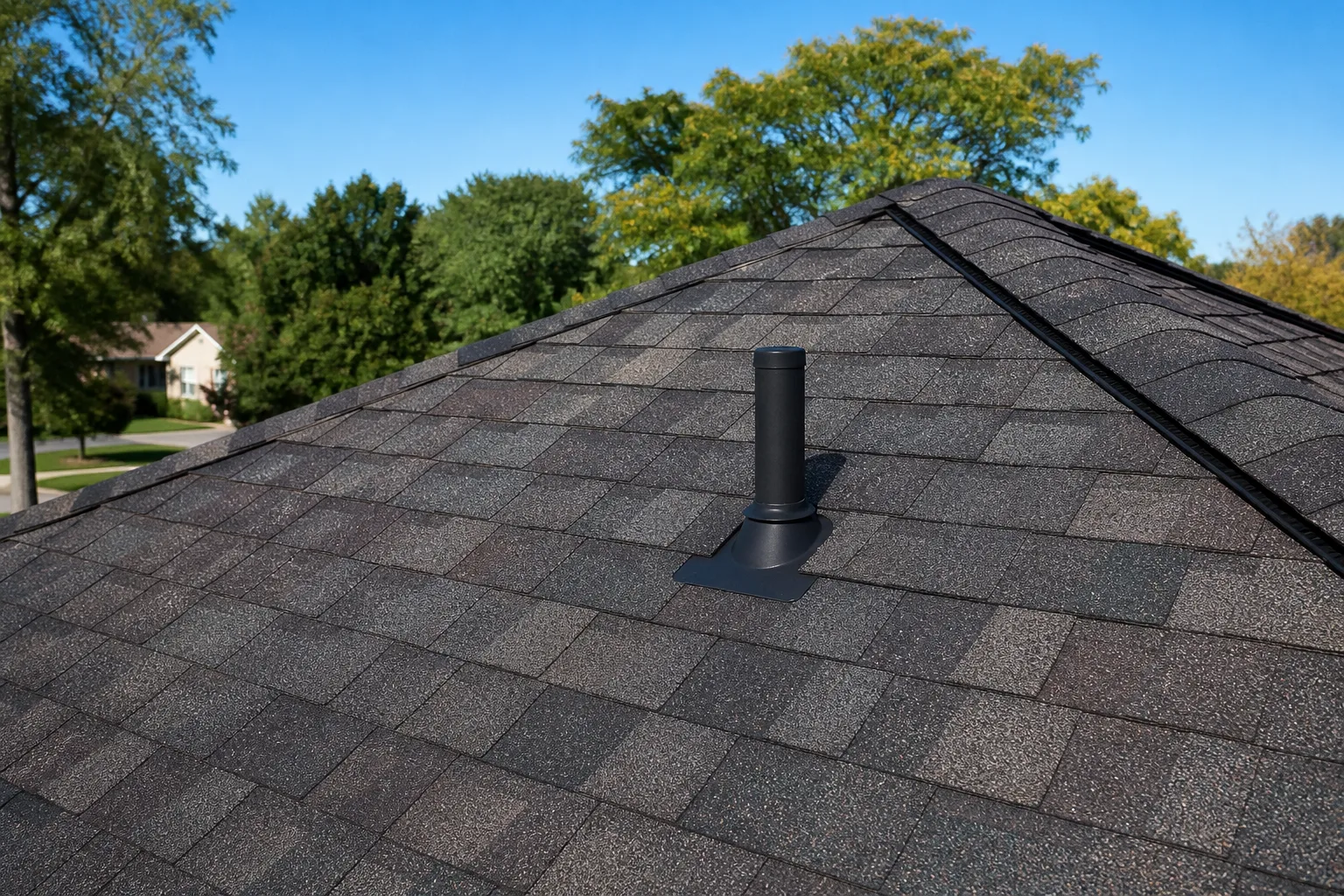
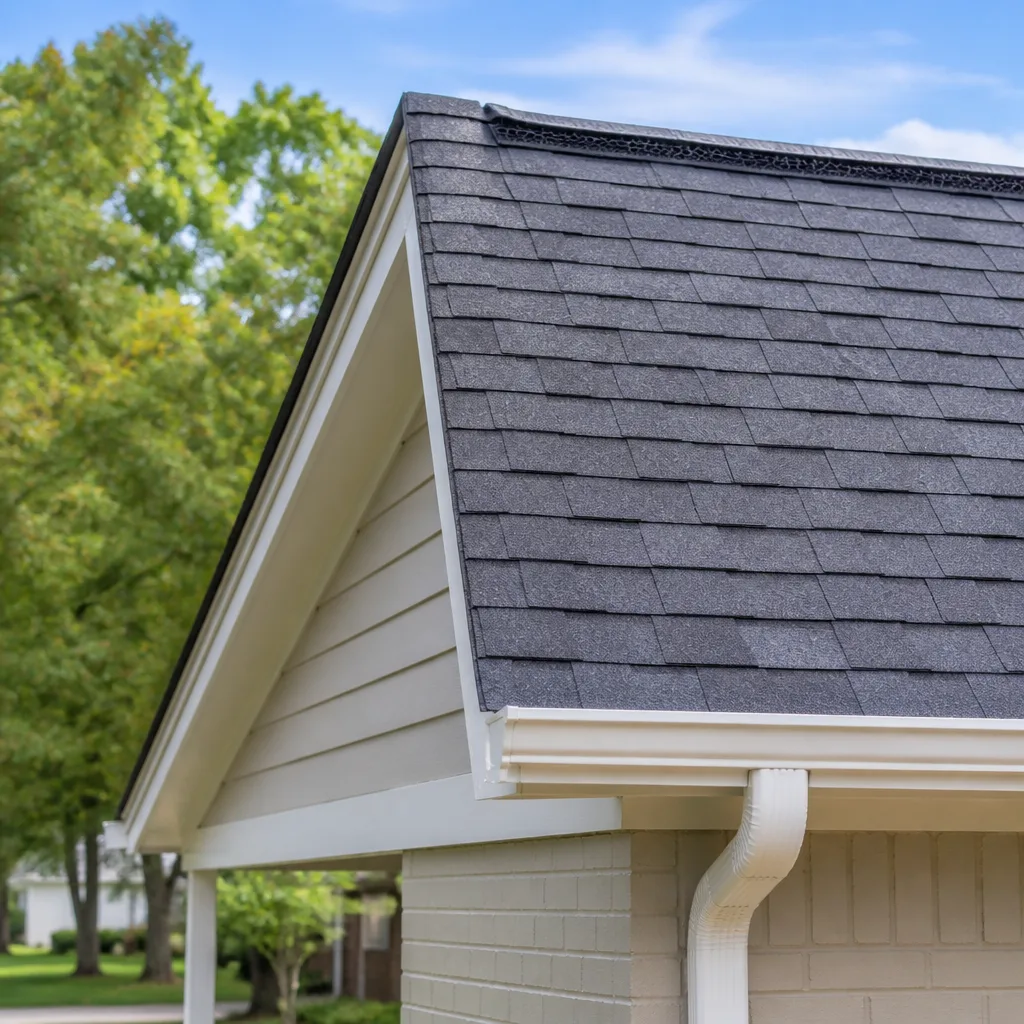
- Architectural shingles
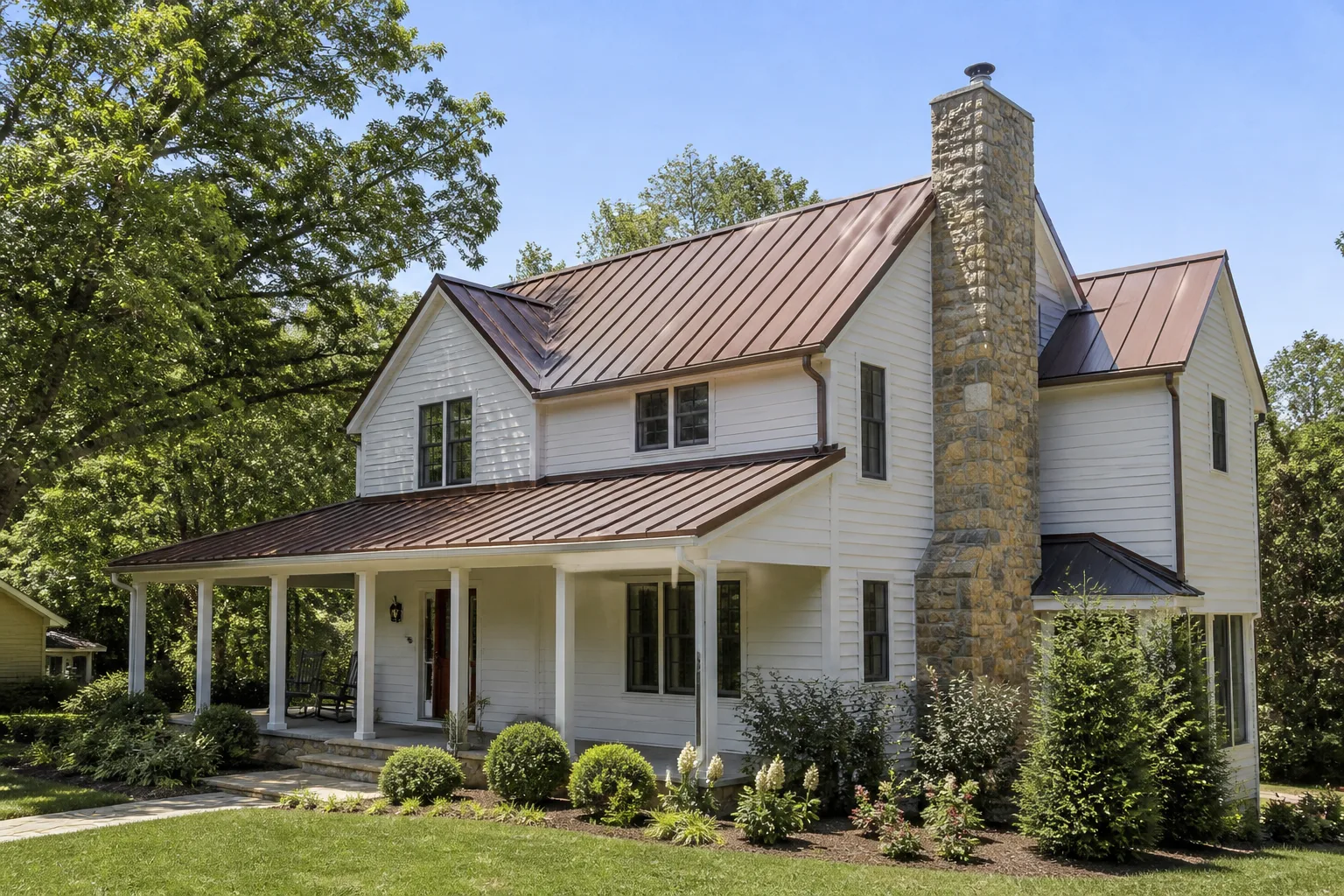
- Metal roofing
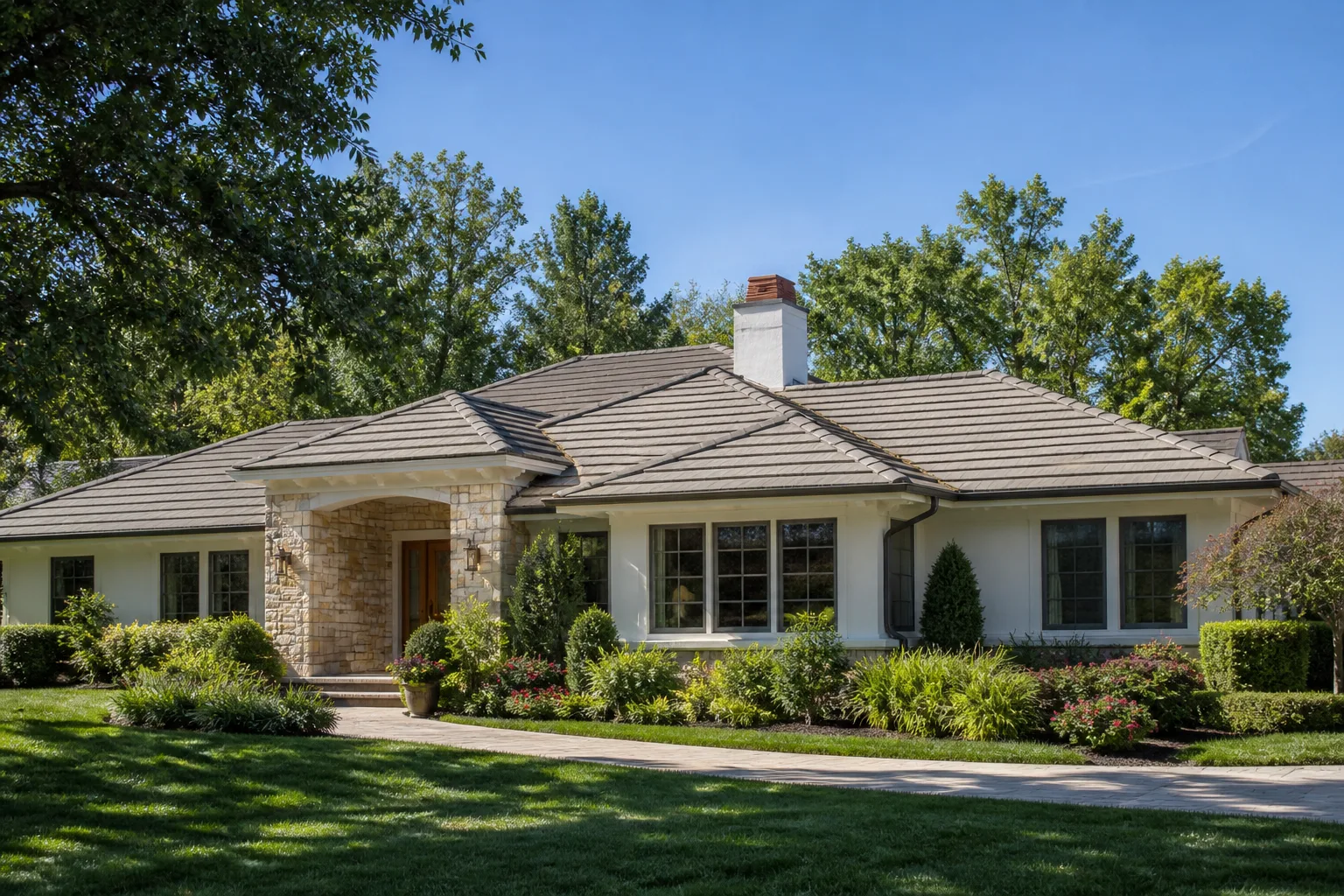
- Tile roofing
- GAF
- Owens Corning
- Flat & low-slope
Table of Contents
- Why Everett’s Climate Changes the Roofing Conversation
- Shingle, Tile, or Metal: How Each Material Performs Here
- Why Algae-Resistant Shingles Are a Baseline, Not an Upgrade
- Pitch, Drainage, and Why So Much Rain Changes the Design
- The Brands Worth Comparing in Everett
- Flat and Low-Slope Roofs Need a Different Conversation
- What a Roof Replacement Involves in Everett
- Common Mistakes to Avoid
Why Everett’s Climate Changes the Roofing Conversation
Everett gets roughly 38 inches of rain a year and sits in what climate scientists call a Marine West Coast zone. That phrase matters for roofing. It means mild, wet winters and comparatively dry summers, and it means your roof spends most of the year wet or damp rather than baking dry. A roof that performs beautifully in Arizona is being asked to do something entirely different here.
The practical result is that moisture management beats heat resistance as the design priority. When a roof stays damp, three things happen. Moss and algae take hold faster. Organic material – leaves, pollen, dirt – stays stuck to the surface longer instead of blowing away. And the underside of the decking is more likely to collect condensation if ventilation is poor. Each of these has a direct effect on how long a roofing material actually lasts, separate from its manufacturer’s warranty figures.
That’s why comparing materials by lifespan alone is misleading in Everett. A 25-year asphalt shingle in a dry climate may genuinely last close to its rated life. In a wet, shaded corridor of Everett, without algae-resistant granules and good ventilation, the same shingle can start showing moss within a couple of years and age faster afterward. The material didn’t fail. The choices around it did.
In our experience, homeowners who understand this one point make better decisions across the board. They ask about ventilation, granule technology, and pitch, not just which shingle looks nicest. That’s the filter this whole guide runs on.
Shingle, Tile, or Metal: How Each Material Performs Here
There’s no single winner. Each of the three residential roofing systems we install has a clear strength in Everett’s conditions and a clear trade-off. Matching the material to your home, your budget, and your tolerance for maintenance matters more than chasing the longest lifespan number on a brochure.
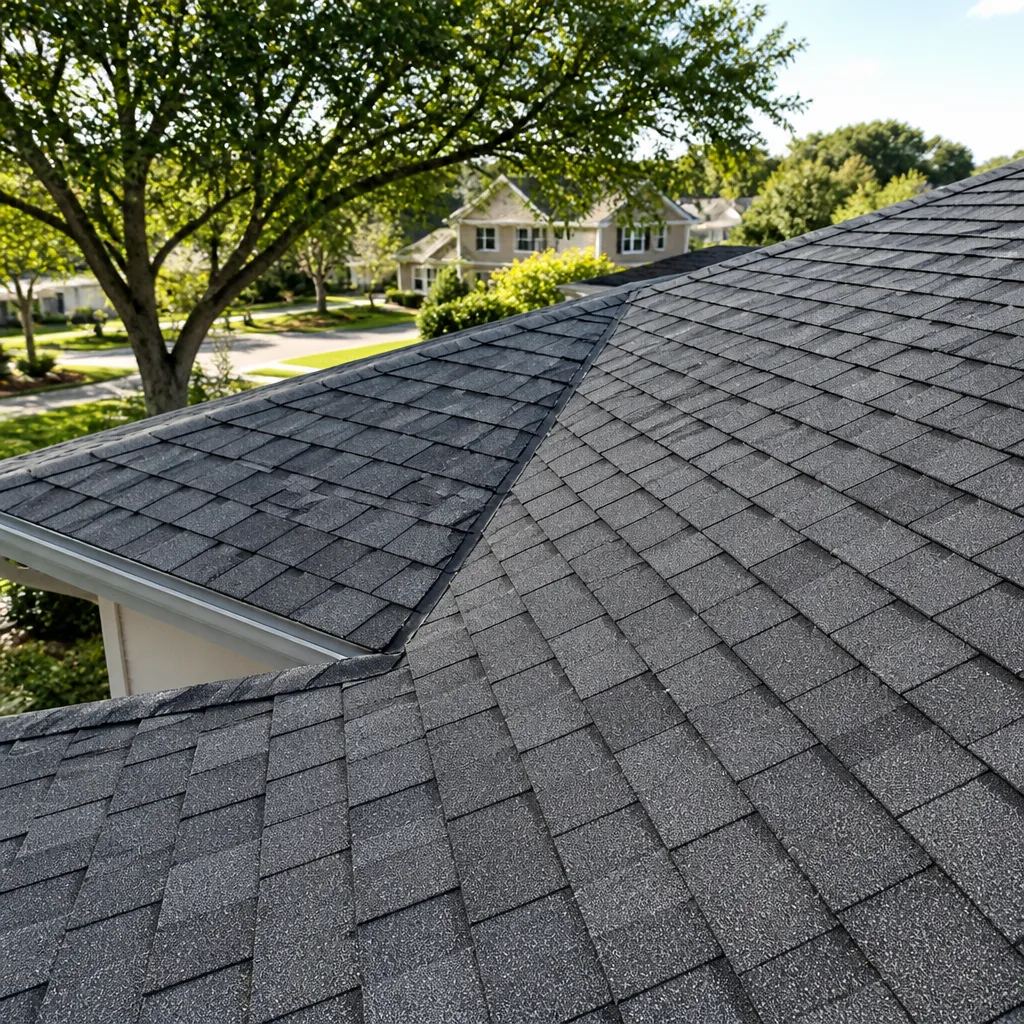
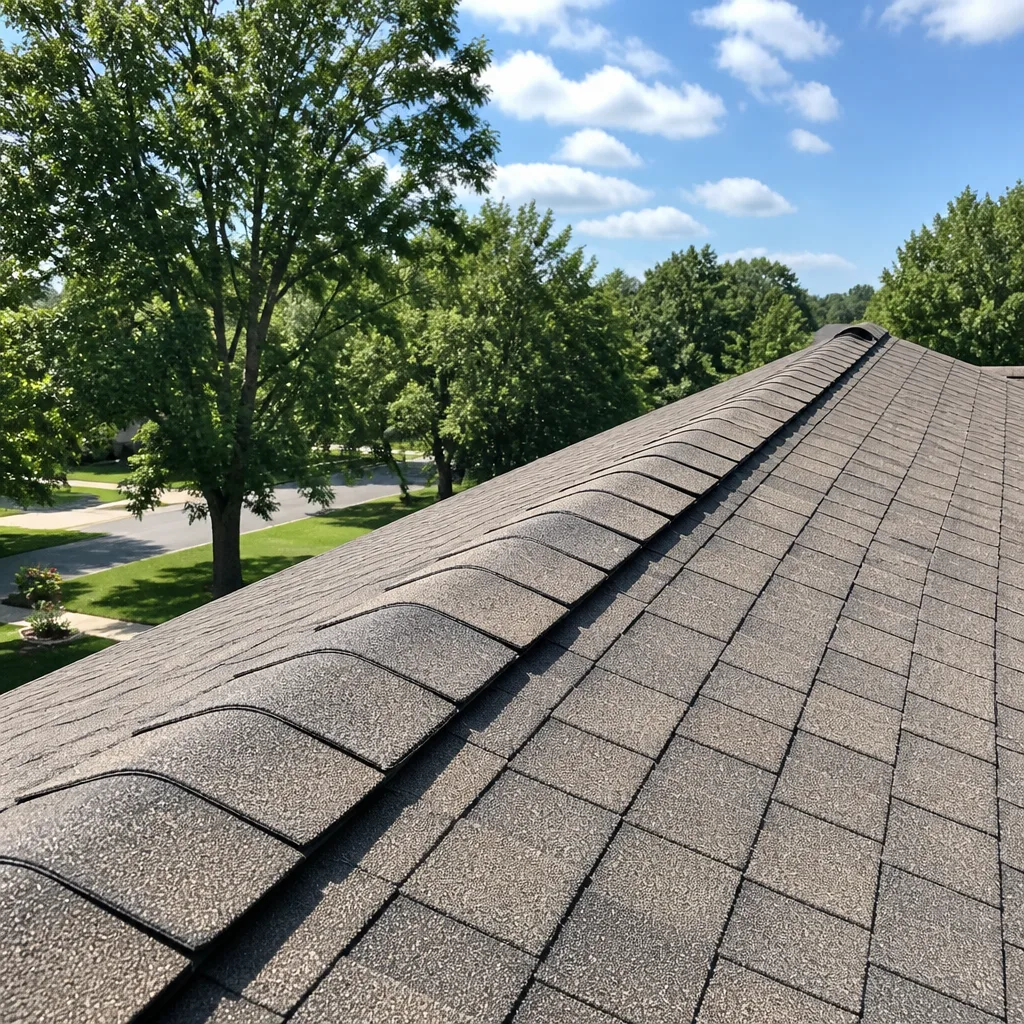
Asphalt shingle is the most common residential roof here for good reason. It’s affordable, fast to install, available in dozens of profiles and colors, and when you choose an algae-resistant line it handles Everett’s moss pressure reasonably well. The trade-off is a shorter service life than metal and a surface that needs periodic cleaning to keep moss from taking hold. Across GAF, CertainTeed, Owens Corning, IKO, Atlas, and Tamko, there’s a shingle at essentially every price point.
Metal roofing, typically standing-seam, lasts longest and sheds water and debris with almost no moss problem. A smooth metal surface doesn’t hold moisture the way granules do, so it stays cleaner. The trade-off is upfront cost and the need to get the details right – seams, fasteners, and expansion allowance all matter in a wet climate.
Tile roofing – including Boral’s clay and concrete profiles – brings distinct architecture and long life, but it’s the material that needs the most caution here. Tile is heavy, so it requires structural support a home may or may not have, and the weight means the conversation starts with the deck and framing, not the surface. Tile also performs differently on low-slope sections, where wind-driven rain can push sideways under the field.
Here’s a straight comparison of the trade-offs as they actually play out in Everett:
- Asphalt shingle: lowest upfront cost, widest choice of brands and styles, needs periodic moss management, service life measured in decades not generations.
- Metal (standing seam): longest service life, sheds moss and debris, higher upfront cost, excellent rain performance when detailed correctly.
- Tile: longest service life alongside metal, strong curb appeal, heaviest option requiring structural checks, best suited to specific architectural styles.
The right move is to have all three presented honestly against your home. That’s the difference between choosing your material and accepting whatever a contractor happens to stock. When the options are laid out with real trade-offs, most homeowners already know which direction fits.
Why Algae-Resistant Shingles Are a Baseline, Not an Upgrade
If you choose asphalt shingles in Everett, algae-resistant granules are not a nice-to-have. They’re the minimum. Algae-resistant shingles carry copper-infused granules that resist the dark streaking and moss-friendly growth this climate encourages, and skipping them to save a little on the shingle line trades a small upfront saving for years of cleaning and appearance loss.
The brands we work with all offer an algae-resistant line, and comparing them is where the real value sits. GAF’s Timberline HDZ RS is a documented example – the “RS” designates the algae-resistant variant – and it’s the kind of product that makes sense for this region rather than a dry one. Owens Corning and CertainTeed each offer equivalent technology under different names. The point isn’t to pick a label. It’s to confirm that whatever shingle you buy carries algae resistance as a standard feature, not an optional add-on a salesperson has to remember to mention.
Algae-resistant granules don’t eliminate moss. Nothing on a shingle roof does. What they do is slow the streaking and reduce how aggressively growth takes hold, which buys you time between cleanings and keeps the roof looking and performing better between them. In Everett, that’s been a baseline requirement in our book for a while now.
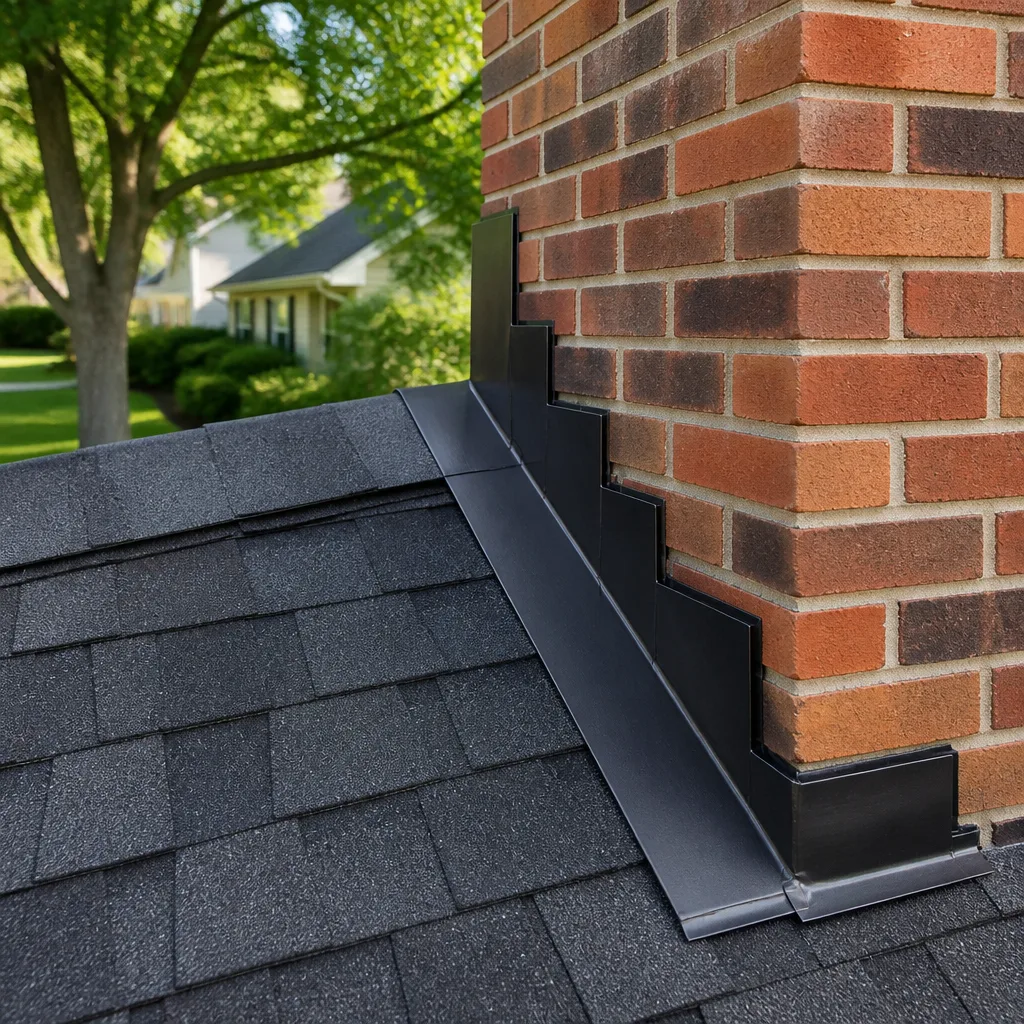
Two supporting details make the shingle last longer regardless of the specific product. Good ventilation keeps the underside dry and reduces condensation, and proper flashing at valleys, chimneys, and skylights keeps water out of the places where shingles meet roof penetrations. Algae resistance buys you the surface. Ventilation and flashing protect the structure underneath.
Pitch, Drainage, and Why So Much Rain Changes the Design
Everett’s rainfall intensity means drainage design is a primary roofing decision, not an afterthought. Roof pitch determines how quickly water leaves the surface, and the steeper the pitch, the faster water clears and the less time it has to work its way under edges. Most residential roofs here are pitched well beyond the minimum, but the minimums still matter when you’re designing an addition, a porch, or a new build.
As a general rule, manufacturers set minimum pitches for each material, and tile in particular needs enough slope to shed water properly. When a roof section falls below a material’s minimum pitch, it needs a different approach entirely – a low-slope system rather than a standard pitched installation. Trying to force a standard shingle onto a shallow section is one of the more common causes of leaks we see discussed in Everett roofing.
Drainage isn’t only about the roof surface. It includes:
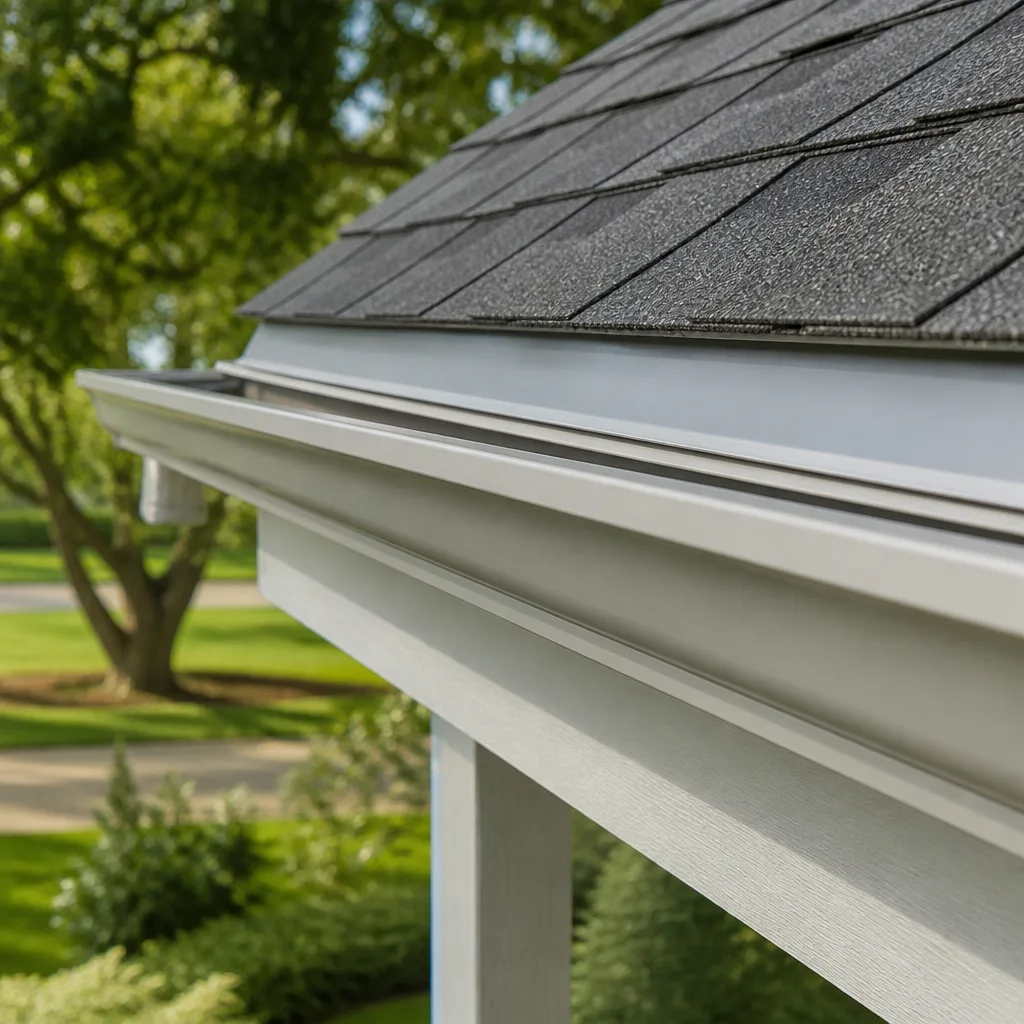
- Gutters sized to the volume of water. Too small, and heavy rain overflows and runs down fascia and siding.
- Valleys designed to move water fast. Where two roof planes meet, the valley is the highest-stress area on any roof, and it needs the right material and detailing.
- Flashing at every penetration. Chimneys, skylights, and vent pipes all interrupt the roof surface and need properly layered flashing to keep water moving down and out.
- Downspout placement. Water needs somewhere to go that isn’t back against the foundation.
Everett’s wet stretches make all four of these worth thinking through before installation. A roof is a water-management system as much as it’s a covering, and the design decisions around pitch and drainage often matter more to how long it lasts than the brand name on the shingle bundle. Ask whoever quotes your roof how they’re handling valleys, flashing, and low-slope sections. The answer tells you a lot about the install.
The Brands Worth Comparing in Everett
The brand of roofing material matters less than the combination of brand, product line, and installation quality – but it does matter, and it matters most when you can compare across manufacturers in one conversation. We install across seven leading manufacturers: GAF, CertainTeed, Owens Corning, IKO, Atlas, Tamko, and Boral. That range is the point. Premium lines like GAF and CertainTeed sit at one end. Value-driven options like IKO and Tamko sit at the other. Boral covers tile. Matching product to budget without dropping quality is a conversation you can only have if the contractor has the whole shelf available.
Here’s how the portfolio breaks down in practice:
- Premium performance lines: GAF and CertainTeed offer a mix of appearance and warranty depth for homeowners who want a longer-term shingle.
- Broad mid-range: Owens Corning and Atlas sit comfortably in the middle, with algae-resistant lines and good color ranges.
- Value options: IKO and Tamko cover homeowners whose budget is the deciding factor, without stepping outside recognized manufacturer warranties.
- Tile: Boral supplies clay and concrete tile for homes whose architecture calls for it.
Manufacturer warranties are tied to certified installation, which is why the installer matters alongside the brand. Choosing a certified installer means the warranty attached to the product actually attaches to your roof. That’s a tangible reason to work with someone authorized for the brand you pick rather than a contractor who installs whatever’s cheapest that month.
The takeaway for Everett homeowners: ask to compare two or three product lines side by side, including one premium and one value option. The gap between them is usually smaller than people expect, and seeing it laid out is how you make a real decision. For the service side, you can read more about shingle roofing and how the shingle lines compare. If you want the full replacement picture including materials and scope, see roof replacement.
Flat and Low-Slope Roofs Need a Different Conversation
A flat or low-slope roof is a completely different roofing problem, and treating it like a pitched residential roof is one of the costliest mistakes Everett homeowners make. Standard shingles rely on gravity and slope to shed water. On a flat or shallow section, water sits, and materials that work beautifully on a steep pitch fail quickly on a shallow one.
Low-slope sections show up more than people expect: over porches, on additions, on dormers, garage extensions, and the flat roofs of some commercial-adjacent residential structures. These need materials designed to handle standing water and slow drainage, not a pitched-roof system forced onto a shallow deck. The conversation there is about membrane systems and low-slope products, not shingle lines.
The other low-slope consideration in Everett is moss and debris, which collect far more readily on a flat surface than on a steep one. If the roof can’t shed water and organic material, both stay put. Good low-slope work includes attention to drains, scuppers, and edge detailing so water has an efficient path off the roof. In our experience, the fastest way to shorten a low-slope roof’s life is to ignore the drainage details at the edges and rely on the membrane alone. Bring the whole roof – pitched and flat sections – to the same conversation so the transitions are handled correctly, because that’s where most leaks start.
What a Roof Replacement Involves in Everett
A full roof replacement is a sequence of decisions and steps, and understanding it helps you read a quote intelligently. The process usually runs something like this, from the deck up:
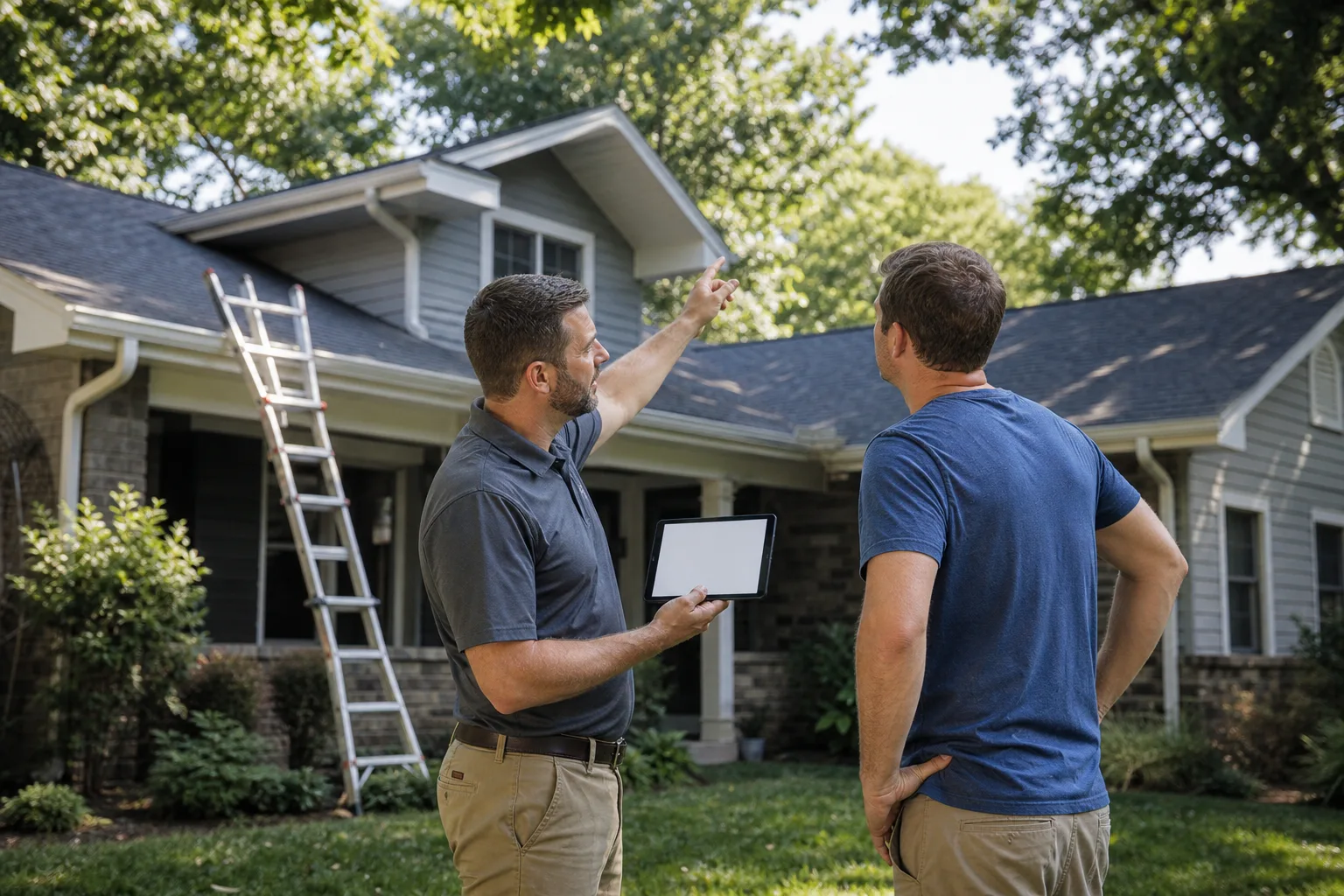
- Assessment and measurement. The existing roof, deck condition, ventilation, and any problematic sections are evaluated, and the roof is measured for materials.
- Tear-off or overlay decision. In most cases the old covering is removed down to the deck so the underlying structure can be inspected. A straight overlay isn’t usually recommended in this climate.
- Deck and underlayment. Any damaged decking is replaced, then underlayment goes down to protect against moisture before the finish goes on.
- Flashing and ventilation. Valley, chimney, and penetration flashing are installed, and ventilation is checked or corrected so the underside of the roof can breathe.
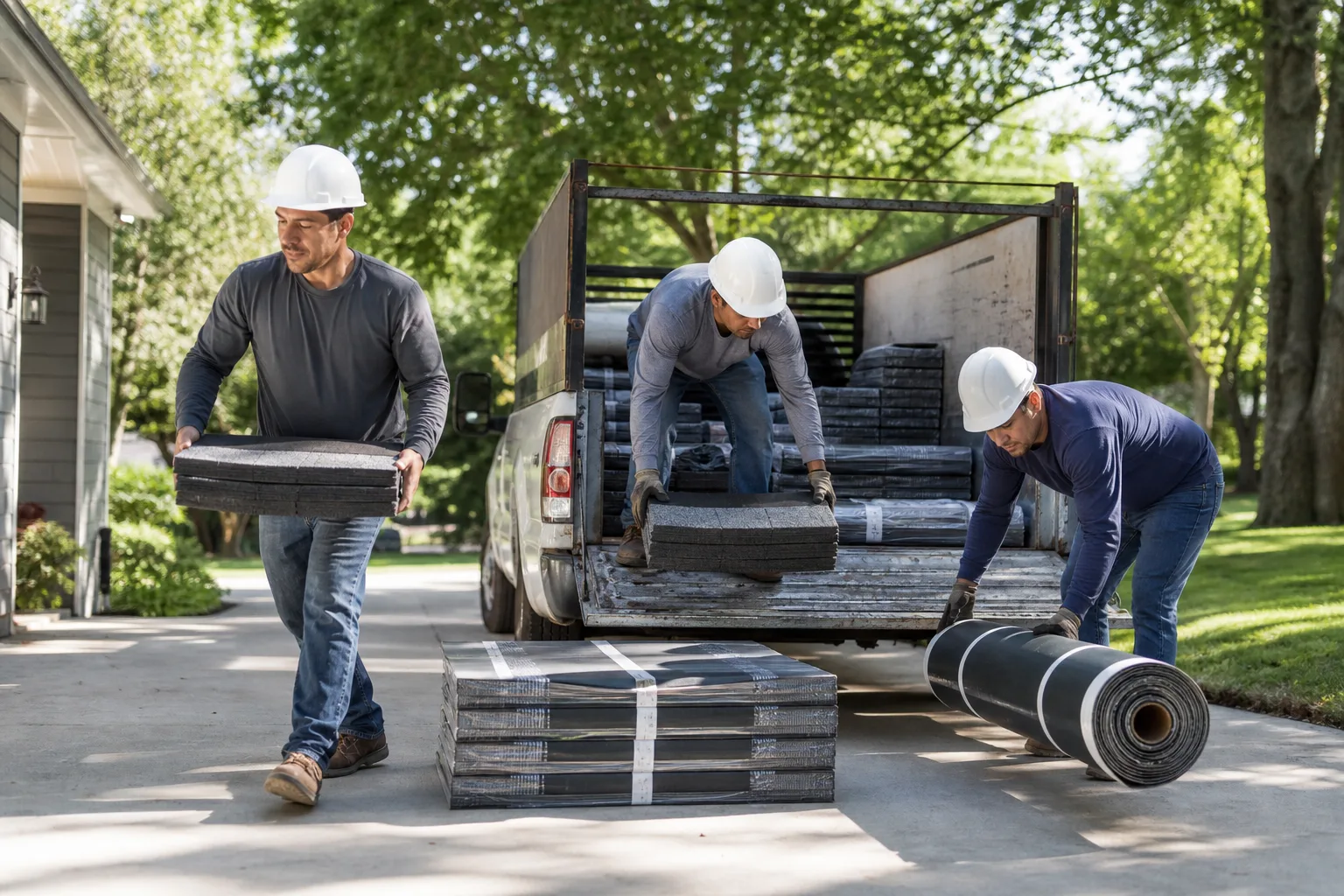
- Material installation. The chosen shingle, metal, or tile system goes on, with installation following the manufacturer’s certified methods.
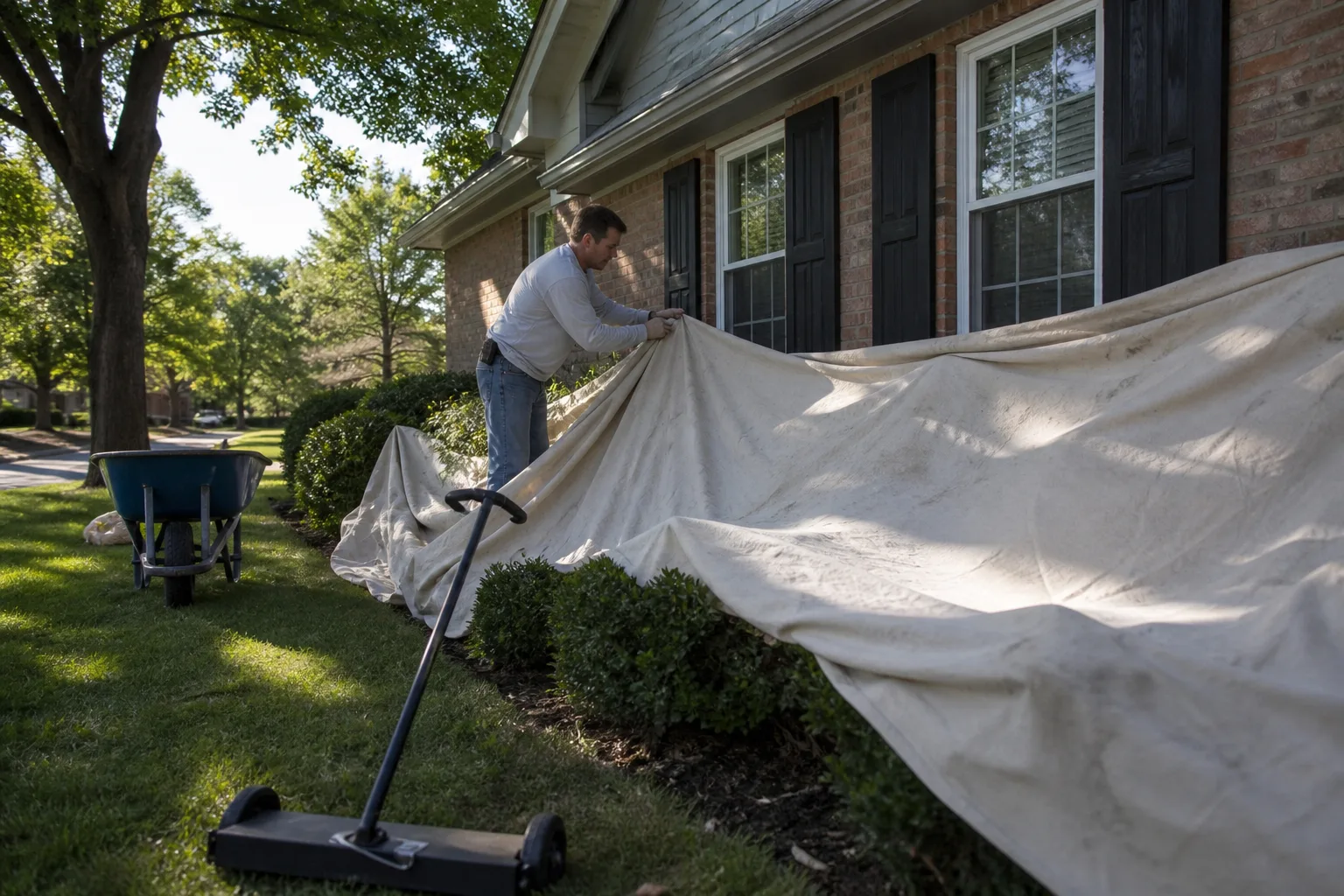
- Cleanup and inspection. The site is cleared, and the finished roof is checked against the scope.
For new construction, the sequence is different – it starts before there’s an old roof at all, with the deck, framing, and pitch set from the beginning. That’s the new roof installation side of the work, where material choices happen earlier and builders appreciate having multiple systems under one contractor rather than sourcing tile or metal specialists separately.
Either way, ventilation and flashing are the two areas where an otherwise good install goes wrong in Everett’s climate. Ask for them in the scope in writing. For an overview of the full service, Roofing Everett lays out the materials and brands we install.
Common Mistakes to Avoid
- Buying a shingle rated for a dry climate. A product designed for heat and sun ignores moss and moisture, and it ages faster here than its rated lifespan suggests. Always confirm algae resistance.
- Treating algae resistance as optional. Skipping it to save on the shingle line trades a small upfront saving for years of streaking and cleaning. In Everett, it belongs in the baseline quote.
- Ignoring ventilation. Poor ventilation traps moisture under the deck and shortens the roof’s life no matter how good the shingle is. Put it in the scope, not just the marketing.
- Forcing a pitched material onto a low-slope section. Shingles on a flat or shallow roof give you standing water and early failure. Low-slope sections need a low-slope system.
- Comparing brands on name recognition alone. The same manufacturer can offer premium and value lines with very different performance. Compare product lines, not just logos.
- Skipping the deck inspection. Covering over a soft or damaged deck hides the problem instead of fixing it, and it undermines everything installed above it.
- Not confirming warranty terms in writing. Manufacturer warranties are tied to certified installation and specific product lines. Get the terms documented so the warranty actually means something later.
See the difference
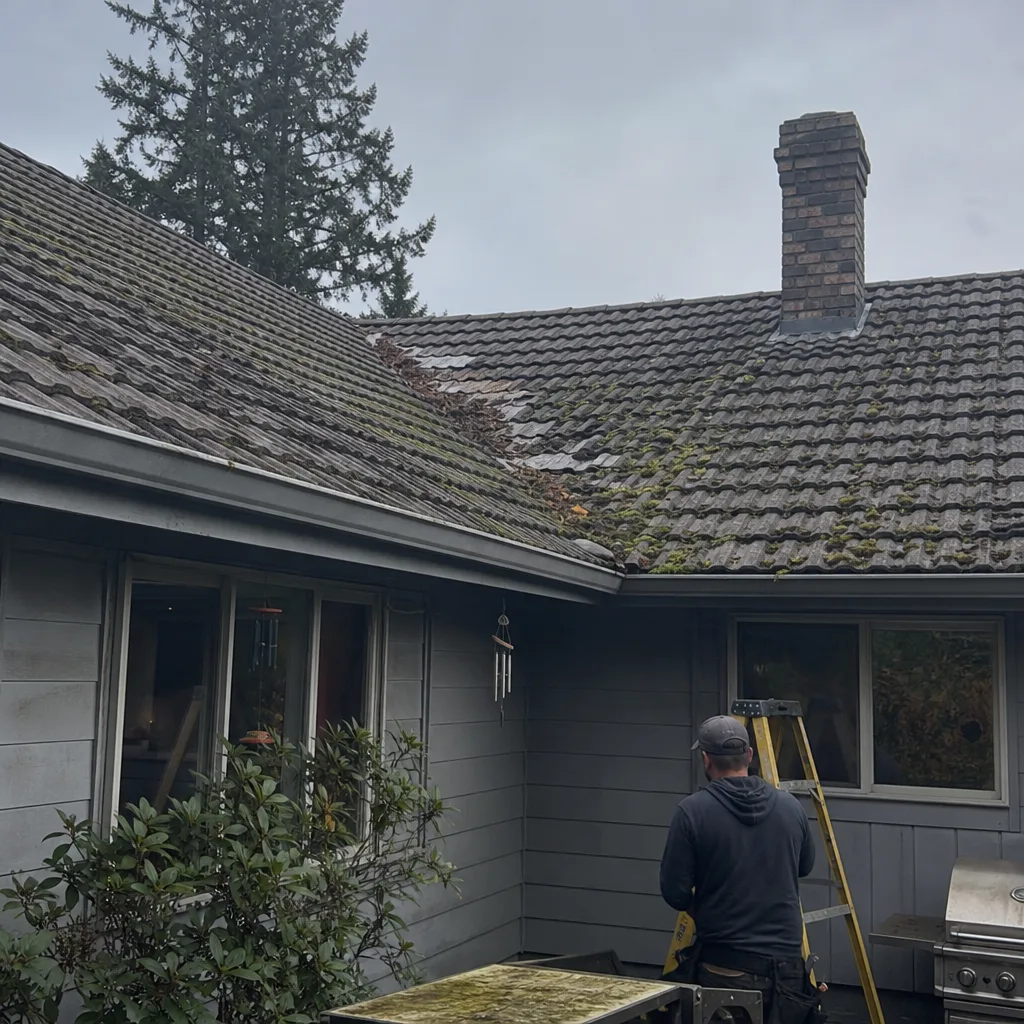 Before
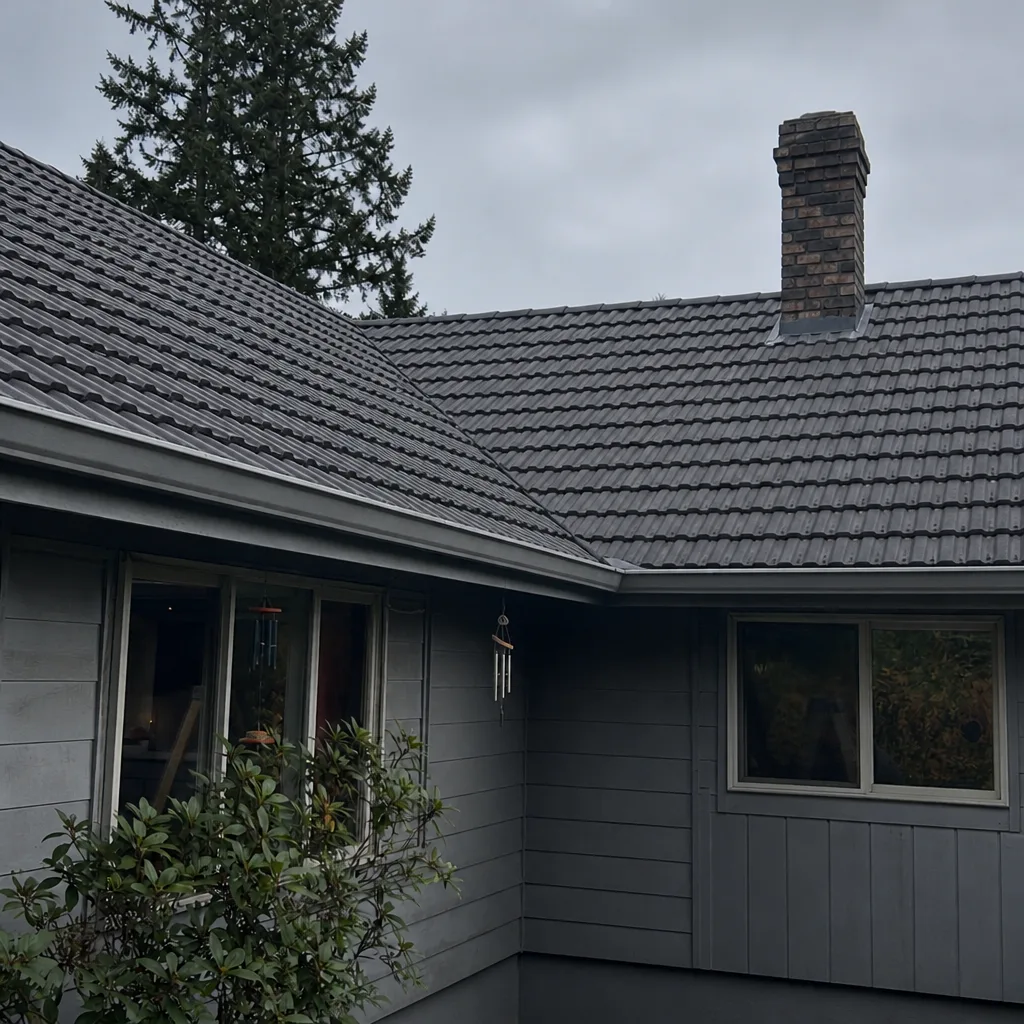 After
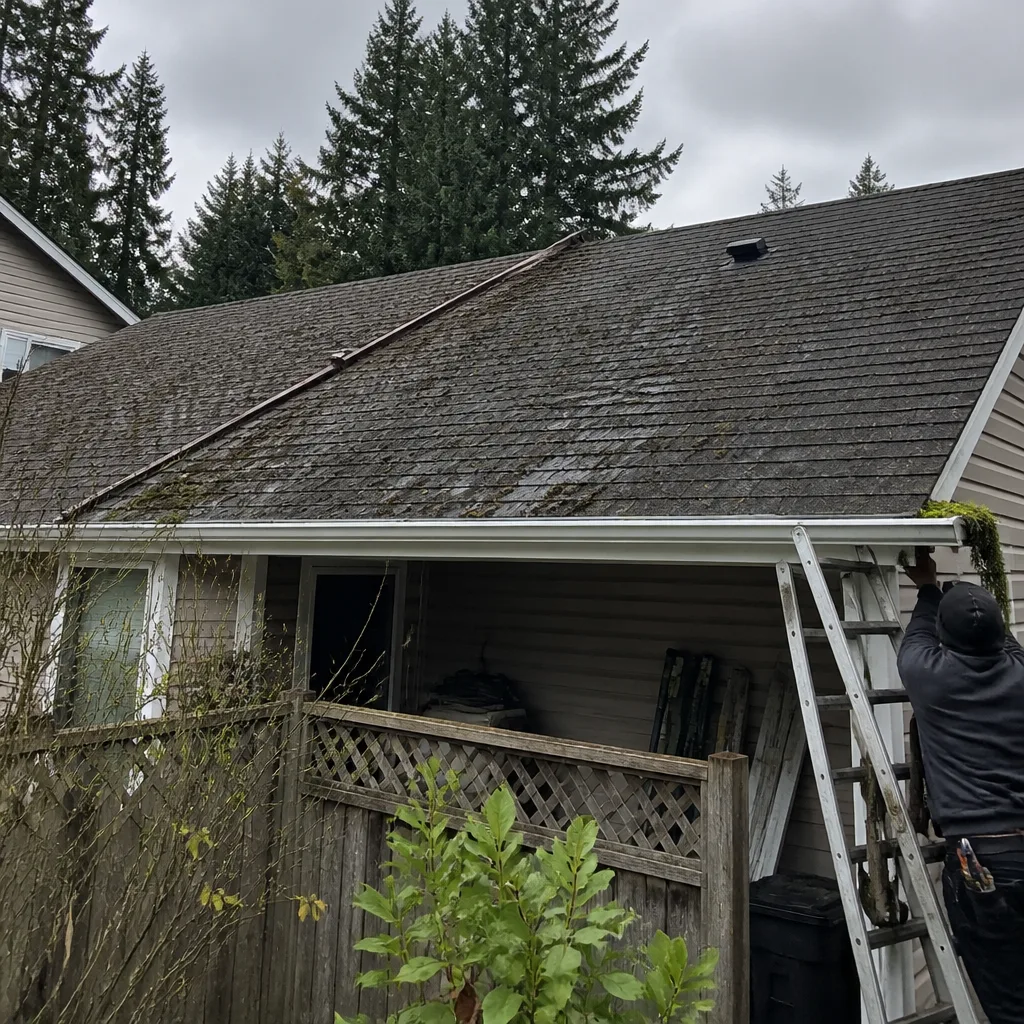 Before
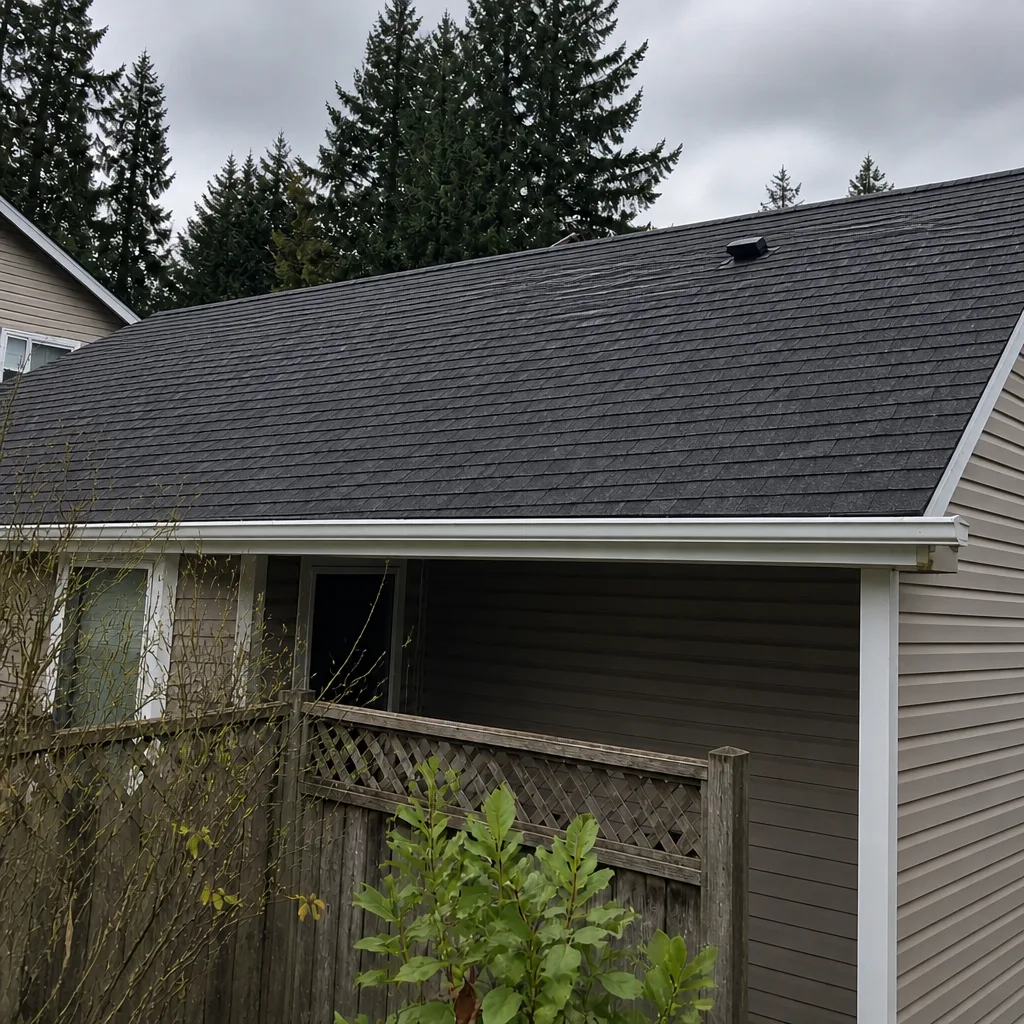 After
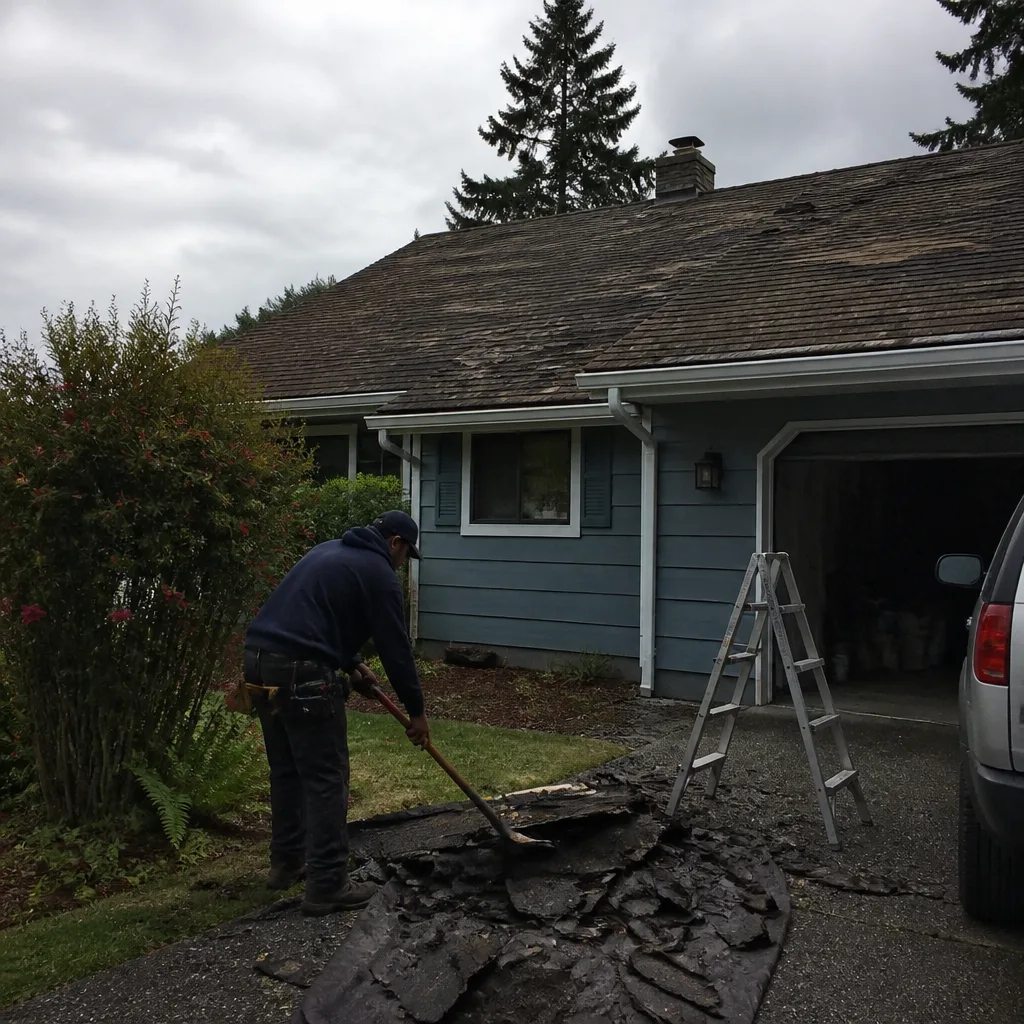 Before
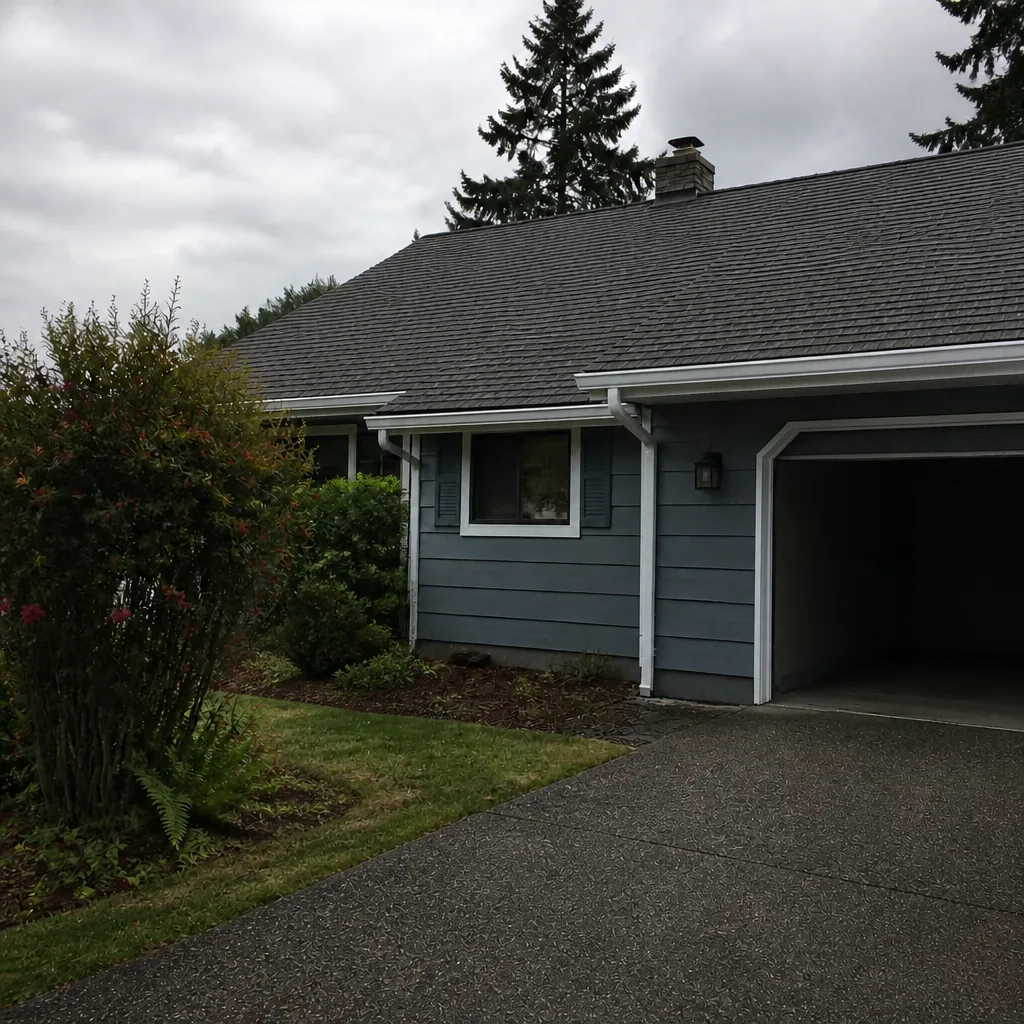 After
When to Call a Professional
Some roofing questions are worth asking a professional rather than guessing at, especially in a climate like Everett’s. Call when you notice moss that’s spreading beyond a few patches, when shingle granules are collecting in gutters, when you see dark streaks that suggest algae, or when interior ceilings show water stains after heavy rain. Those signals often point to underlying moisture or ventilation issues that a visual inspection should catch before they reach the deck and framing. Height and moisture make roof inspection genuinely risky, so a trained professional should handle the walking and the probing.
Call before a roof replacement decision too, rather than after you’ve committed to a material. A free estimate gives you a chance to compare shingle, metal, and tile honestly against your home’s pitch, structure, and architecture. Roofing Everett offers free estimates in Everett – call (425) 382-8630. We answer 24/7. Fast dispatch from 7am to 7pm, Sunday through Friday.
Frequently Asked Questions
For most homes, asphalt shingles with algae resistance offer the best balance of cost, appearance, and suitability in Everett’s climate. Metal is the longest-lived option and sheds moss best, while tile suits specific architectures and needs structural checks. The right answer depends on your pitch, structure, and budget, which is why comparing all three matters. Call (425) 382-8630 for a free estimate.
Yes – algae-resistant shingles should be treated as the baseline for any asphalt roof in Everett, not an upgrade. The copper-infused granules resist the streaking and moss growth this wet region encourages, and skipping them typically costs more in appearance and upkeep later. Call (425) 382-8630 to compare algae-resistant lines from the major manufacturers.
Lifespan depends far more on material, algae resistance, and ventilation than on any single number, so treat manufacturer ratings as a starting point rather than a promise. A well-ventilated, algae-resistant shingle roof can stay sound for decades, while a poorly ventilated one can show moss within a couple of years. Ask us to walk you through the trade-offs for your specific roof – estimates are free.
Not always without preparation. Tile is heavy and may require structural support the home doesn’t currently have, while metal works on most pitched roofs when the details are handled correctly. The honest answer always starts with an inspection of your deck and framing. Call (425) 382-8630 to find out what your roof can support.
Flat and low-slope areas need a completely different roofing system from pitched sections – not standard shingles. They require materials built to handle slow drainage and standing water, with careful attention to drains and edge detailing. If your home has a flat porch or addition roof, it deserves its own part of the conversation. Call (425) 382-8630 for a free estimate.
We install across seven leading manufacturers: GAF, CertainTeed, Owens Corning, IKO, Atlas, Tamko, and Boral. That range lets you compare premium and value lines side by side rather than accepting a single product. It also means certified installation tied to the manufacturer’s warranty. Call (425) 382-8630 to compare options.
The Bottom Line
Everett’s climate decides more about your roof than your taste in shingle color ever will. With 38 inches of rain and a marine climate that feeds moss growth fast, the materials that work here are the ones built for moisture – algae-resistant shingles, metal that sheds water and debris, and tile where the structure and architecture support it. Correct pitch, real drainage design, and good ventilation matter as much as the brand on the bundle. Compare product lines across GAF, CertainTeed, Owens Corning, IKO, Atlas, Tamko, and Boral rather than taking a single quote. The goal is to choose your material, not accept one. Call (425) 382-8630 for a free estimate. We answer 24/7. Fast dispatch from 7am to 7pm, Sunday through Friday.
Our technicians have up to 8 years of experience.
Written by the team at Roofing Everett.