Last updated November 25, 2026
Free roof inspection with deck photos before we talk money - GAF and Owens Corning certified installation
DIY vs Professional Roofing: The Everett Homeowner’s Decision Guide
Most homeowners assume the DIY roofing question is about skill. It isn’t. It’s about warranties and liability. A homeowner who saves roughly $4,500 in labor by self-installing GAF shingles automatically forfeits access to the System Plus and Golden Pledge warranties, coverage that can protect tens of thousands of dollars in material and labor, because GAF requires certified contractor installation for those tiers. The same math applies to Owens Corning and CertainTeed systems. Everett sits in a wet, wind-exposed climate where roof failures show up fast, so the warranty question isn’t theoretical here. This guide runs the actual numbers on labor savings versus hidden DIY costs, walks through what Washington code allows an owner-builder to do, and shows you where the middle path is.
Quick Answer
For most Everett homeowners, professional installation wins on total cost, not just roof quality. The labor you save by doing it yourself is often smaller than the warranty coverage you give up, and it doesn’t account for tool rental, dumpster fees, permit costs, and the resale friction of owner-installed work in Snohomish County. DIY makes sense for narrow, low-risk jobs like moss treatment, gutter cleaning, and minor flashing touch-ups. Full replacement, new installation, and any work on steep pitches or at height belong to a licensed professional.
Styles & brands we work with
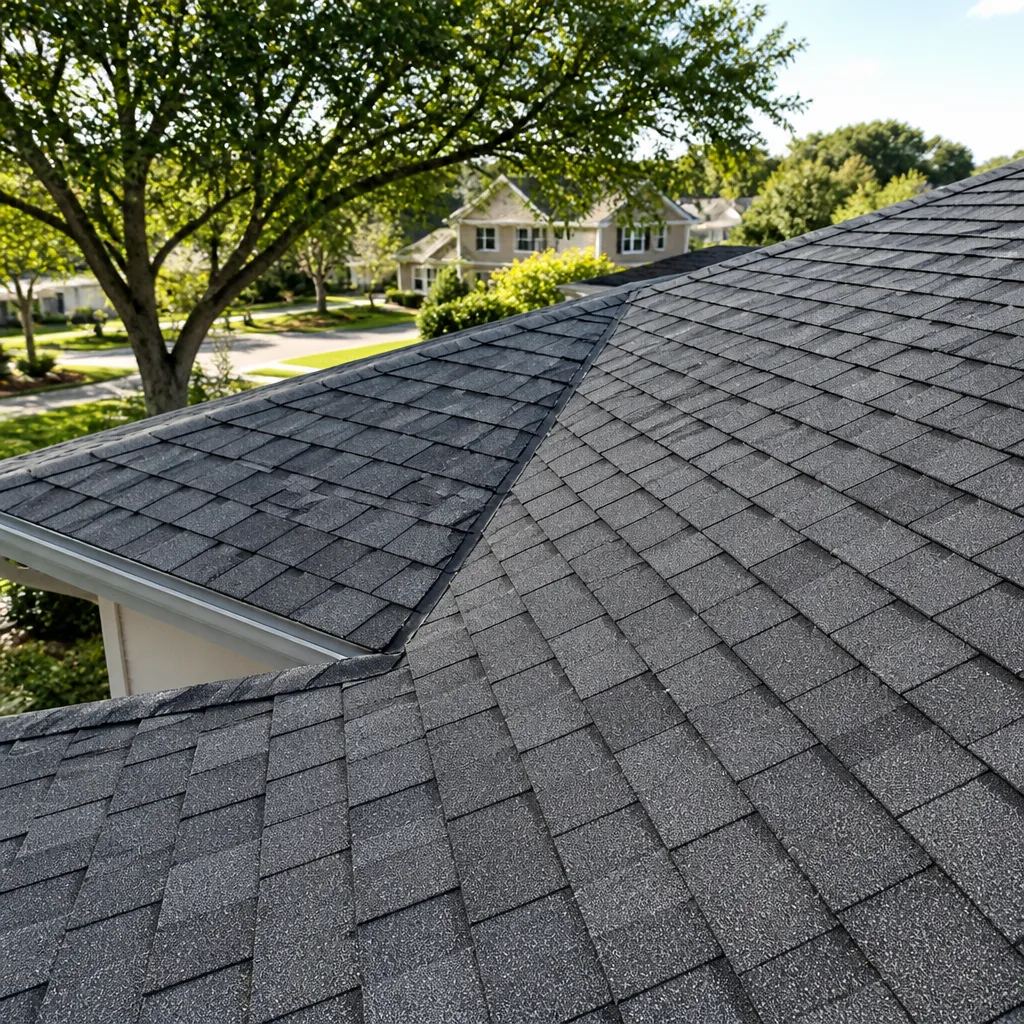
- Architectural shingles
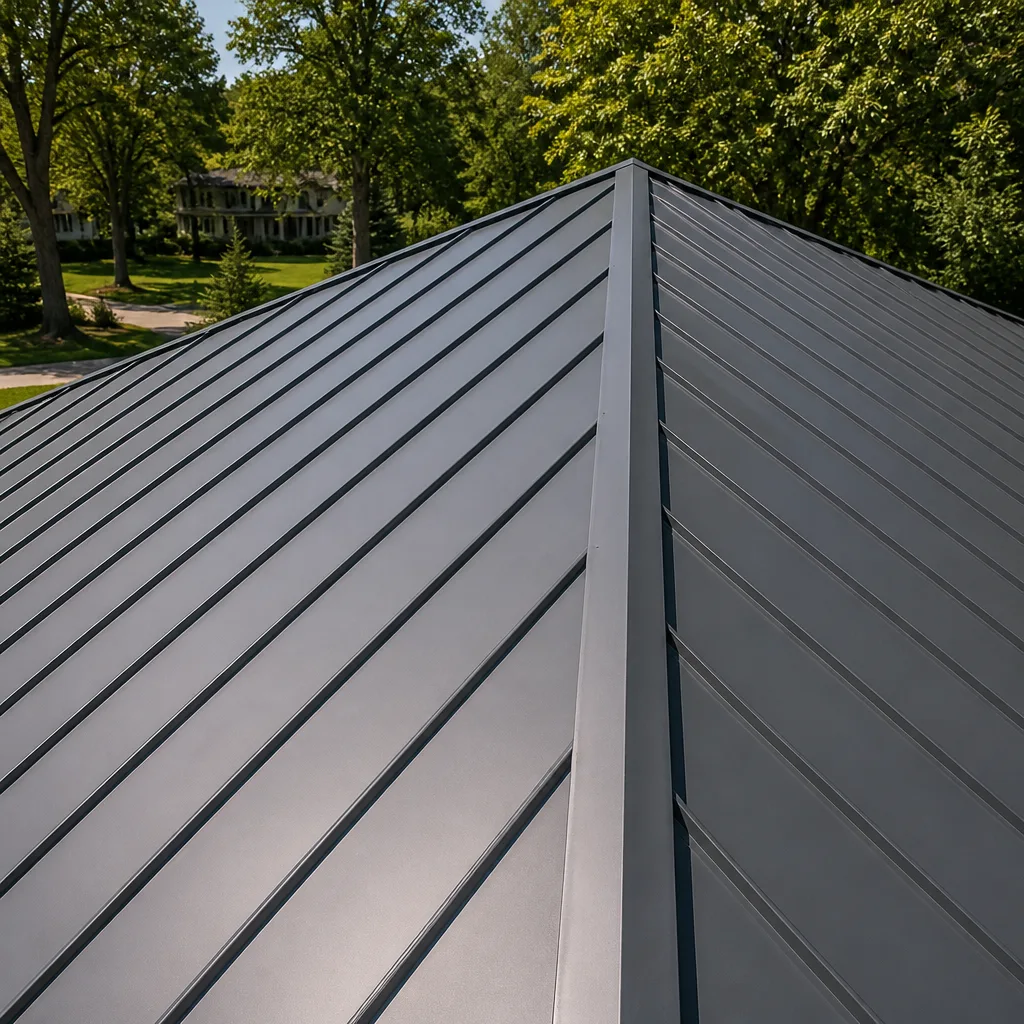
- Metal roofing
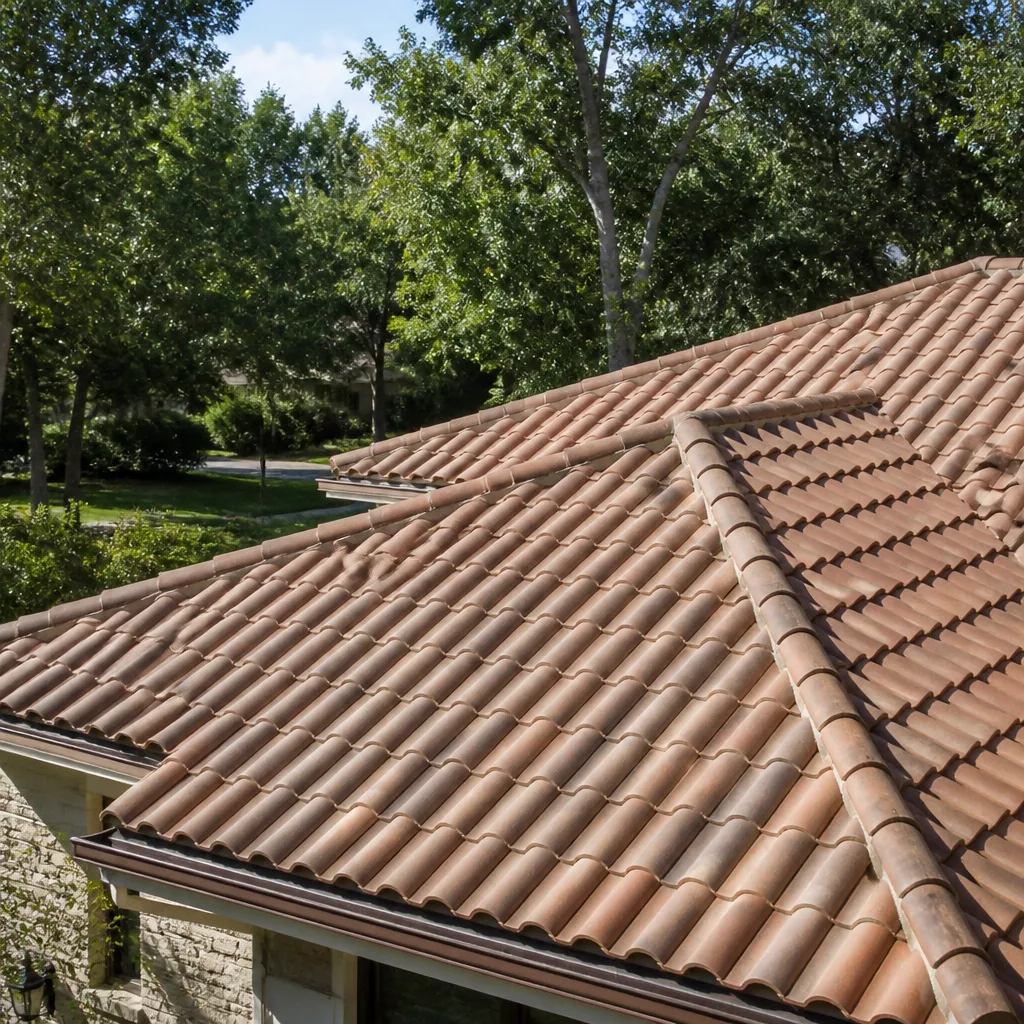
- Tile roofing
- GAF
- Owens Corning
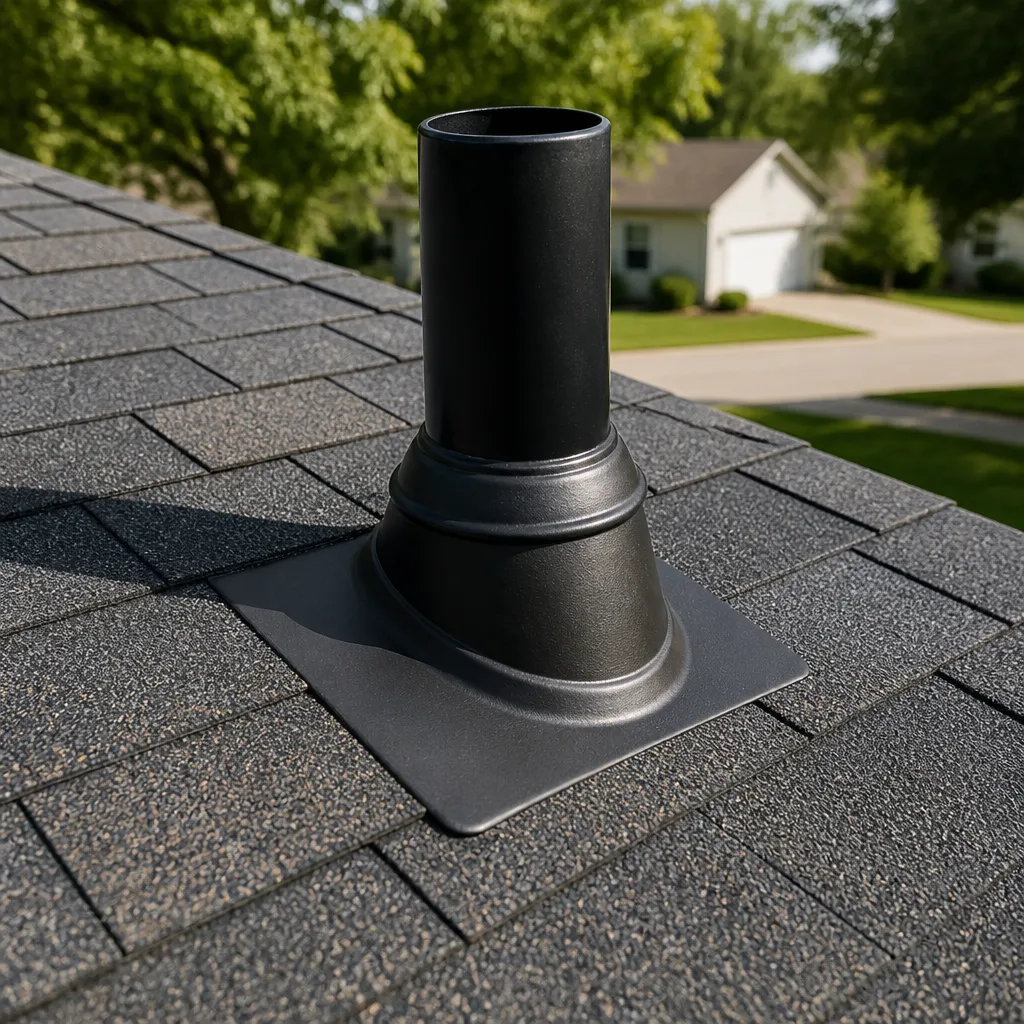
- Flat & low-slope
Table of Contents
- The Real Math: Labor Savings vs. Warranty Loss
- What Washington Code Actually Allows an Owner-Builder to Do
- Warranty Rules by Brand: GAF, Owens Corning, and CertainTeed
- Hidden DIY Costs Nobody Budgets For
- How DIY Roofing Affects Resale in Snohomish County
- Tasks That Are Genuinely DIY-Feasible in Everett
- Why Material Choice Changes the DIY Equation
- When to Call a Professional
The Real Math: Labor Savings vs. Warranty Loss
The labor figure is the number every DIY-curious homeowner starts with, and it’s real, but it’s only half the ledger. On a typical asphalt shingle replacement, labor runs somewhere in the range of 40 to 60 percent of the total project cost. That sounds like a compelling saving until you subtract what the DIY route actually costs to execute and what coverage it forfeits.
Here’s how the math breaks down for a mid-size Everett home:
| Line Item | Professional Install | DIY Install |
|---|---|---|
| Material cost | Contractor pricing | Retail or near-retail |
| Labor | Included | Your time |
| Tool and equipment rental | Included | Out of pocket |
| Dumpster and disposal | Included | Out of pocket |
| Permit (owner-builder) | Pulled by contractor | Pulled by you |
| Manufacturer warranty (certified tier) | Available | Forfeited |
| Workmanship coverage | Available | None |
The warranty forfeiture is the line that gets buried. When a manufacturer withholds its premium warranty tiers because installation wasn’t done by a certified contractor, you’re not just losing paperwork. You’re losing the protection that would cover a defective material failure or a premature system breakdown years after the install. For a homeowner in Everett planning to stay in the home, that coverage is often worth more than the labor savings. For someone flipping in a hot market, the resale disclosure problem replaces the warranty problem, which we’ll get to.
Our take: run the ledger both ways before you decide. If the professional column comes in close to the DIY column after you account for tools, disposal, permits, and lost coverage, the decision makes itself. For a full roof replacement in Everett, it usually does.
What Washington Code Actually Allows an Owner-Builder to Do
Washington State allows a homeowner to act as an owner-builder on their own primary residence for certain improvements, including roofing work, under specific conditions. The key word is primary residence. If the property is a rental, an investment property, or a home you plan to sell within a short window, the owner-builder exemption generally doesn’t apply, and unpermitted work creates real exposure.
Here’s what the owner-builder path actually involves in Everett:
- You must pull the permit yourself. Roofing permits in Everett run through the city’s building department, and the permit application lists you as the responsible party, not a contractor.
- You are responsible for code compliance. That includes ice barrier placement, underlayment specs, flashing requirements, and ventilation calculations. Every one of these is inspected, and failing inspection means rework at your cost.
- You are responsible for worker safety. If you hire helpers, you’re the employer for that arrangement. Washington requires workers’ compensation coverage for employees, and the owner-builder exemption does not make that go away for hired labor.
- You may still need licensed trades. Electrical work for attic ventilation fans or similar components requires a licensed electrician, regardless of your owner-builder status.
- You own every defect. There’s no third-party workmanship warranty when you install your own roof. If a leak develops two years later, you’re covering the repair.
The most common mistake we see is a homeowner who pulls the permit correctly, does the tear-off and deck work well, then discovers partway through that the flashing details and ridge venting require skills and tools they don’t have. That half-finished roof sits exposed to Everett’s fall rain, and the repair bill for water intrusion can wipe out the labor savings entirely.
Another angle to consider: if you plan to sell within a few years, an unpermitted or owner-builder roof turns into a disclosure item. Buyers ask, inspectors flag, and title companies take notice. A clean professional install removes that friction before it starts. A new roof installation done by a licensed contractor comes with the paper trail that keeps resale straightforward.
Warranty Rules by Brand: GAF, Owens Corning, and CertainTeed
Manufacturer warranties are not one-size-fits-all, and the certified-installer requirement varies by brand and by warranty tier. Here’s how the major brands structure it:
- GAF: GAF’s premium warranty tiers, including System Plus and Golden Pledge, require installation by a GAF-certified contractor. The material warranty may still apply to a self-installed roof at a reduced tier, but the enhanced coverage that protects labor and system performance is off the table.
- Owens Corning: Owens Corning’s top-tier warranty programs similarly tie enhanced coverage to contractor certification. The base material warranty has different terms than the system warranty, and the system warranty is where the real protection lives.
- CertainTeed: CertainTeed’s premium warranty coverage, including the extended workmanship tiers, requires installation by a credentialed contractor. Self-installed roofs fall back to the standard material warranty, which carries a shorter term and narrower coverage.
The pattern is consistent: the base product warranty travels with the material regardless of who installs it, but the warranty tier that covers the system, the labor, and the long-term performance requires a certified installer. That’s not a loophole, it’s the manufacturer’s way of controlling the quality of their installed product. It also means the answer to “does DIY void my warranty?” is more nuanced than yes or no. The system warranty is lost, and the base material warranty stays.
When we work with manufacturers like CertainTeed and Owens Corning, the warranty documentation is tied to the certified installation. That’s the tangible benefit of going professional on an asphalt system. If you’re comparing materials, read our shingle roofing material guide before you decide whether the DIY route is worth the warranty trade.
Hidden DIY Costs Nobody Budgets For
The labor figure looks clean until you add the line items homeowners routinely underestimate. Here’s what a full DIY replacement in Everett actually costs beyond the shingles:
- Tool rental: Nailers, compressors, roof jacks, shingle removers, and safety harnesses add up fast. A typical DIY replacement runs several hundred dollars in rental fees alone, plus the time to pick up and return the equipment.
- Dumpster and disposal: Tear-off waste for a standard roof is measured in tons. Dumpster rental and disposal fees for shingle waste are a real line item, and the fee scales with roof size and material weight.
- Permit fees: The owner-builder permit is your cost, and it’s tied to the project scope. Skipping it creates the resale problem we covered above.
- Material waste: Retail pricing and off-the-shelf quantities mean more cutoffs and more waste. Contractors buy at trade pricing and know how to lay out a roof to minimize scrap.
- Time cost: A professional crew completes a standard replacement in a day or two. A first-time DIY install runs a week or more of long days, and that’s assuming good weather. An exposed roof in Everett’s fall rain is a serious risk.
- Repair risk: If you have to call a professional to fix a DIY mistake, the total cost typically exceeds what the professional install would have cost from the start.
Add those up and the real labor savings shrink considerably. The homeowner who budgets $4,500 in saved labor often finds the gap down to a few hundred dollars once tools, disposal, permits, and value-of-time are accounted for. At that point, the question shifts from “how much am I saving?” to “how much am I risking?”
How DIY Roofing Affects Resale in Snohomish County
This is the part of the DIY decision most homeowners don’t think about until it’s too late: what happens when you sell. Home inspectors in Snohomish County flag roofs carefully because they’re one of the highest-cost systems on the home, and an owner-builder permit or an unpermitted installation gets noticed.
Here’s how it plays out on resale:
- Inspector flags the roof. A home inspector will note installation quality, flashing details, and permit history if it’s visible. Inadequate venting or improper flashing gets called out as a defect.
- Buyer’s agent asks for documentation. Buyers increasingly ask for permit records and warranty information. An owner-builder permit plus no warranty is a weaker package than a certified professional install with manufacturer coverage.
- Title company wants it resolved. Open or unpermitted work can stall closing, and the fix usually involves retroactive permits and inspection, which you’d pay for out of the sale proceeds.
- Negotiating leverage shifts. A roof with documented professional installation sells itself. One with DIY paperwork invites a repair credit or a renegotiation request.
The pattern is clear: a roof that saves a few thousand at install can cost more than that at resale. That math applies whether you’re selling next year or in a decade. The professional installation paperwork keeps paying long after the project is done.
Tasks That Are Genuinely DIY-Feasible in Everett
Not everything on a roof needs a professional. Everett homeowners can safely and legally handle a scoped list of low-risk maintenance items, and keeping up with them actually extends the life of any roof. Here’s the middle path:
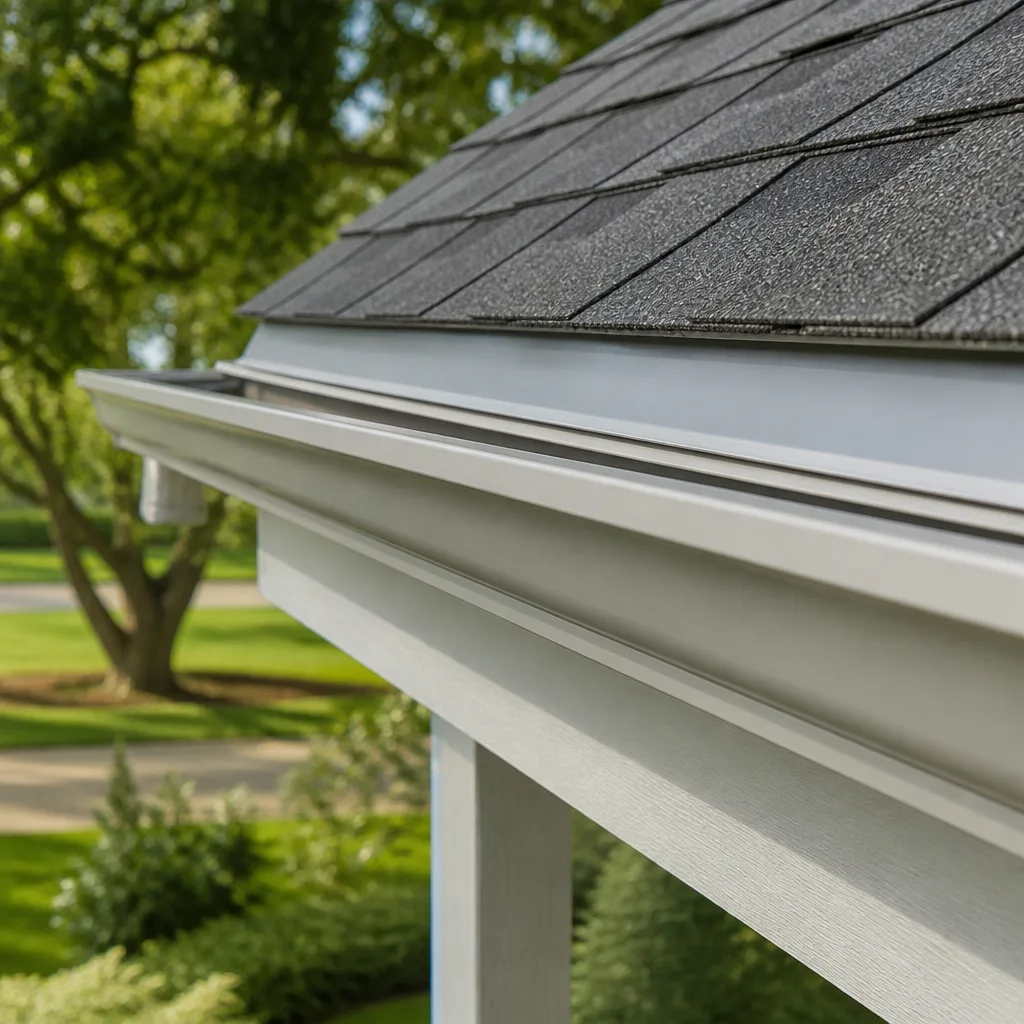
- Gutter cleaning. Clearing debris from gutters and downspouts prevents water backup and fascia damage. It’s low-risk from a stable ladder at ground level and doesn’t touch the roof surface.
- Moss treatment. Everett’s cool, damp climate makes moss a recurring issue on asphalt roofs. Applying a moss treatment product from ground level or with a long extension pole is a reasonable DIY task, and staying ahead of it meaningfully extends shingle life.
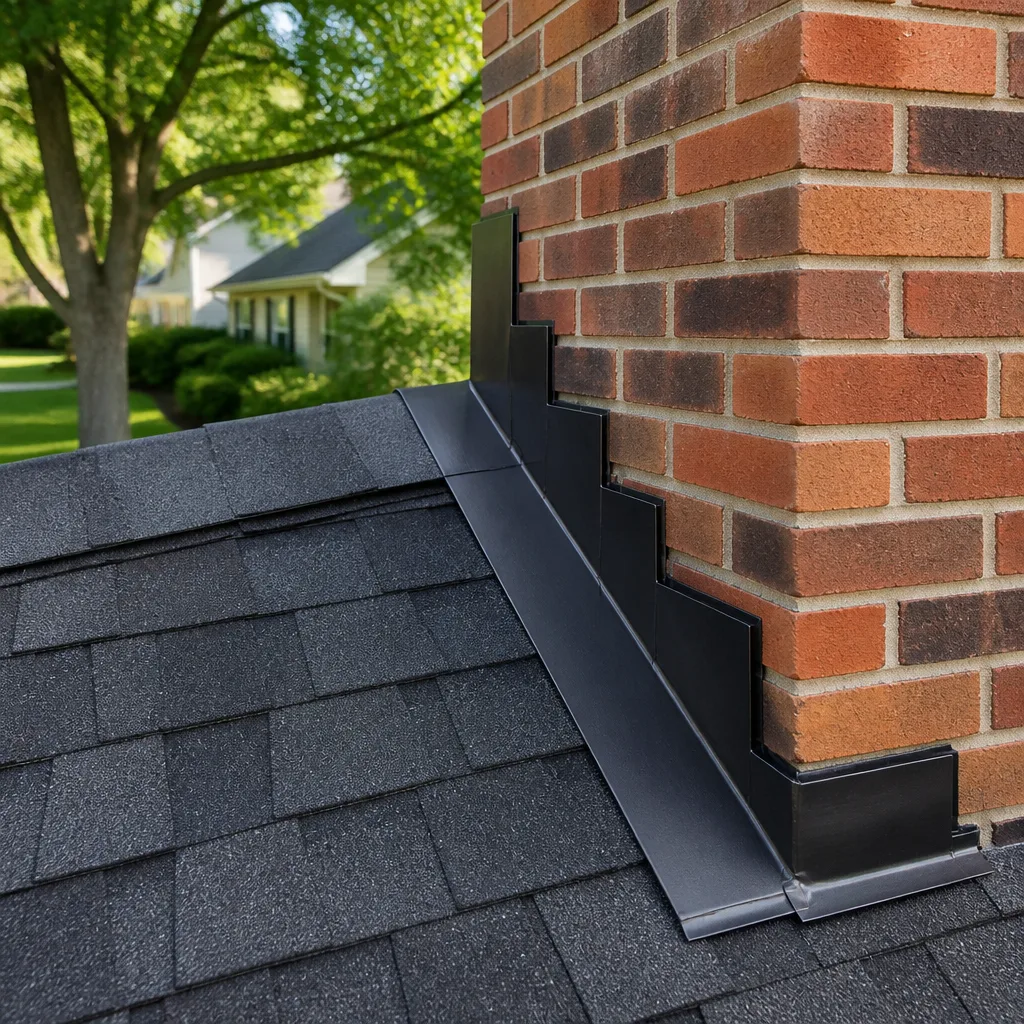
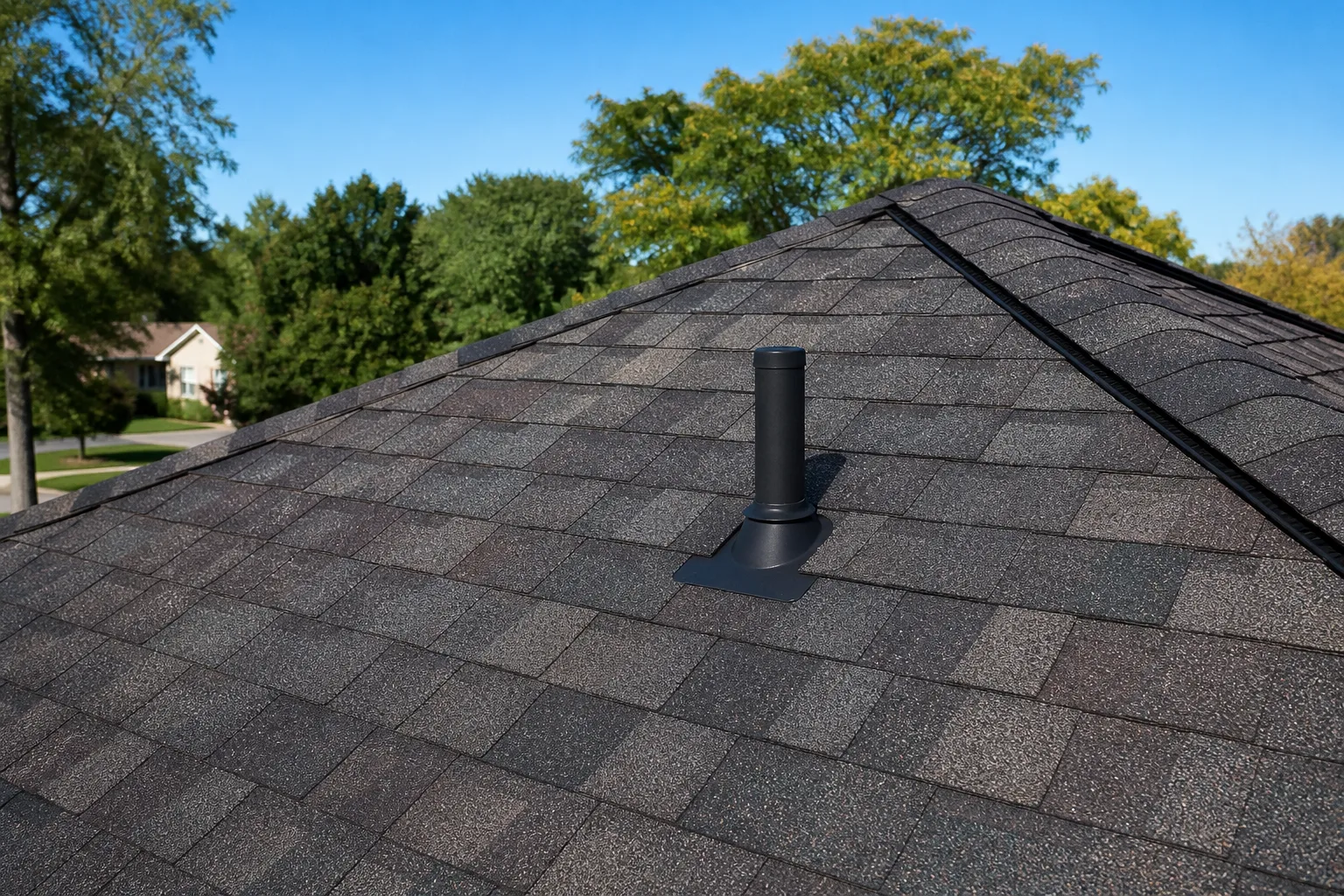
- Minor flashing caulking. Small sealant touch-ups around vent pipes and flashing from a stable position are within reach for a careful homeowner. If you’re climbing onto the roof to do it, weigh the fall risk first.
- Debris removal after wind. Clearing branches and leaves from the roof surface and valleys is simple and safe if you can reach it without stepping on a steep pitch.
- Gutter guard inspection. Checking that guards are properly seated is a visual task, not a repair.
What’s not on this list: anything that involves walking a steep pitch, working at the edge, installing or replacing shingles, flashings, underlayment, vents, or making structural changes to the deck. Those tasks combine height risk, technical detail, and warranty consequences. If the roof is above a single story or the pitch is steep, even a “small” repair on the surface is still a fall risk, and the professional route is the responsible call. That’s true regardless of your comfort level.
One more caveat: any DIY maintenance that involves cutting into the roof assembly (adding a vent, replacing flashing) can affect the manufacturer warranty if it’s not done to spec. Stick to the true maintenance items and leave the assembly work alone.
Why Material Choice Changes the DIY Equation
The DIY math shifts dramatically depending on material. Asphalt shingle is the most DIY-accessible system, and even that comes with the warranty and safety caveats we’ve covered. Tile and metal change the equation in the other direction entirely.
Metal roofing involves fastening systems, thermal expansion details, and panel layout that require specialized tools and knowledge. A DIY metal install that isn’t detailed correctly can leak along every fastener line, and the repair cost to chase those leaks is significant. Tile is heavier, more fragile, and requires specific underlayment and fastening patterns. Dropping a tile during installation breaks it, and walking a tile roof incorrectly cracks the field. Neither of these systems is a reasonable DIY candidate for a homeowner doing it for the first time.
This is where material choice becomes a real conversation rather than a sales pitch. A homeowner weighing asphalt shingle, tile, or metal needs to understand the trade-offs in longevity, weight, cost, and curb appeal before committing. We install all three systems and work with manufacturers across the spectrum, from premium lines like CertainTeed and Owens Corning to value-driven options. The point is to match the material to the home and the budget rather than selling whatever’s easiest to install.
If your roof is approaching replacement, start the conversation with a free estimate. We’ll walk you through the material options, show you where each manufacturer’s warranty tiers land, and give you a written line-item quote before any work starts. You can call us at (425) 382-8630 to set that up. Learn more about our Roofing Everett approach to material selection.
See the difference
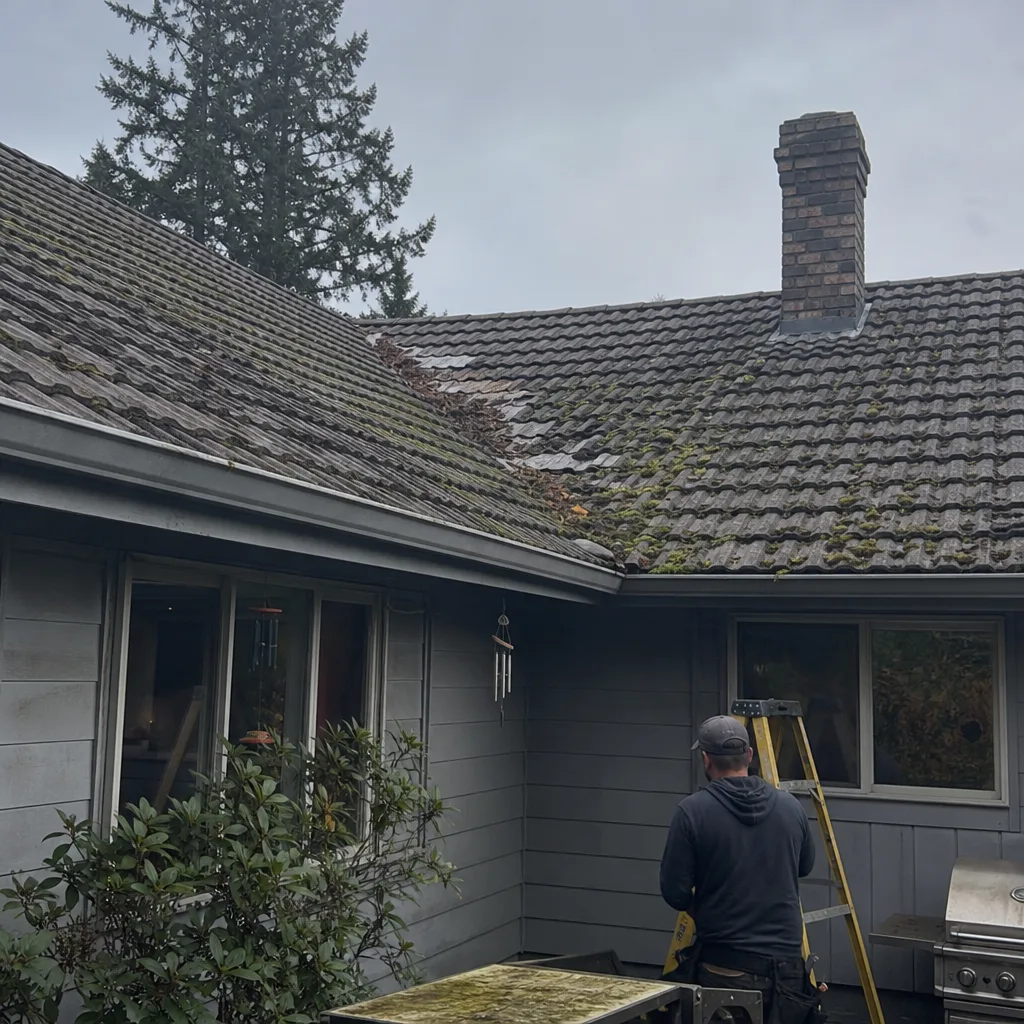 Before
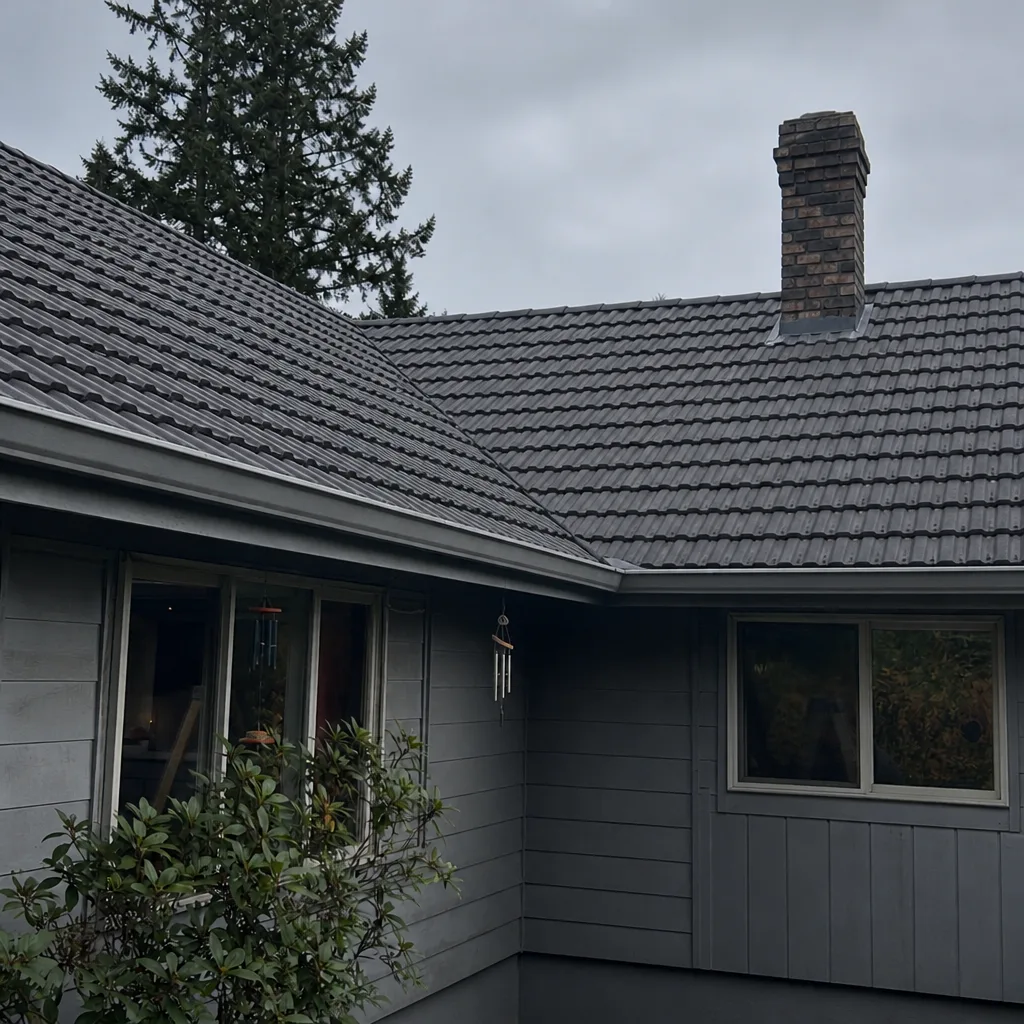 After
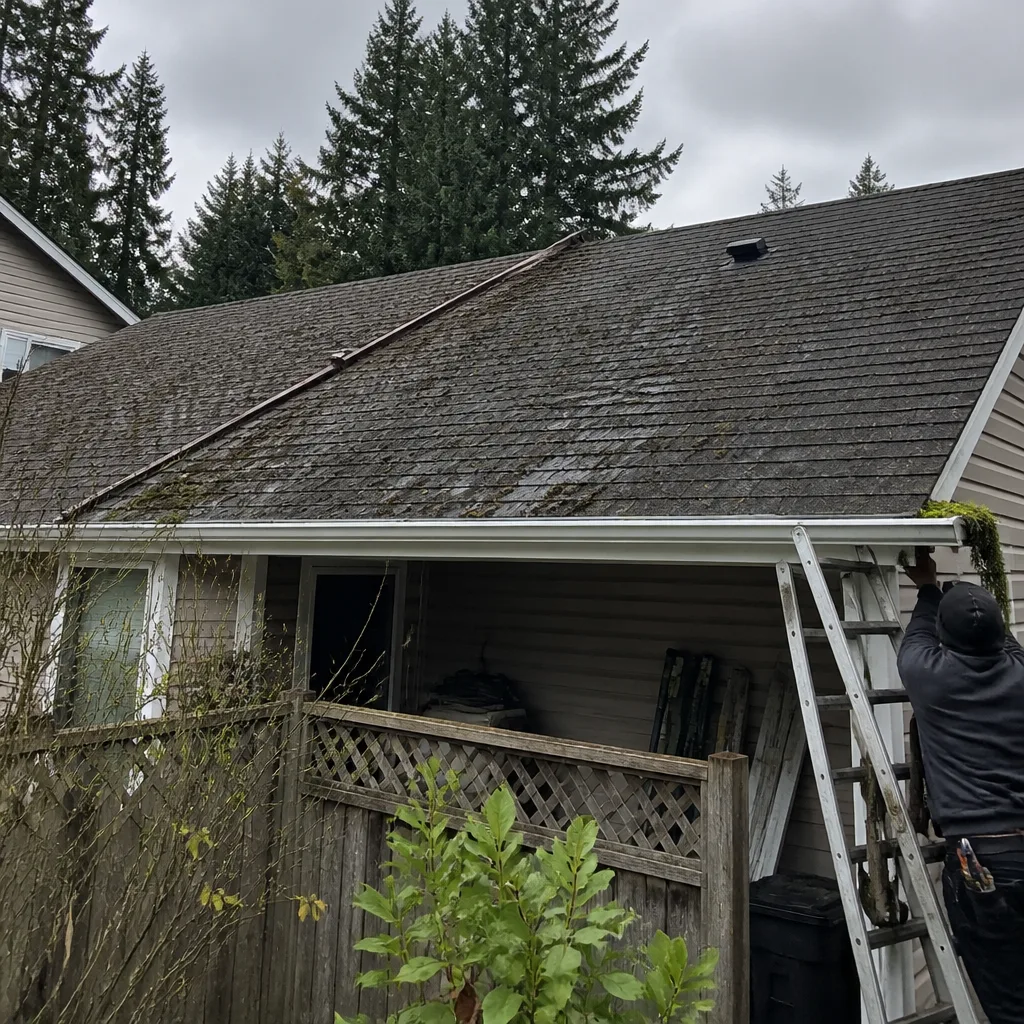 Before
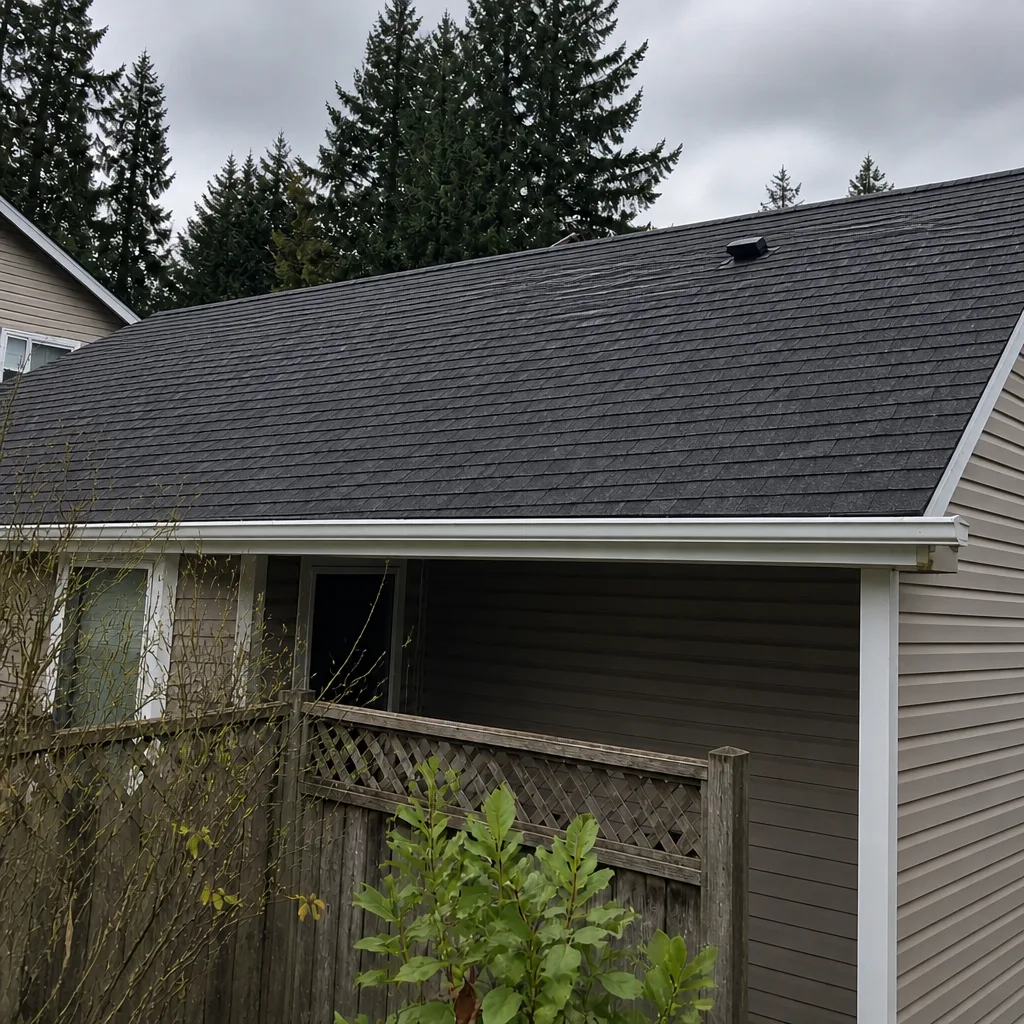 After
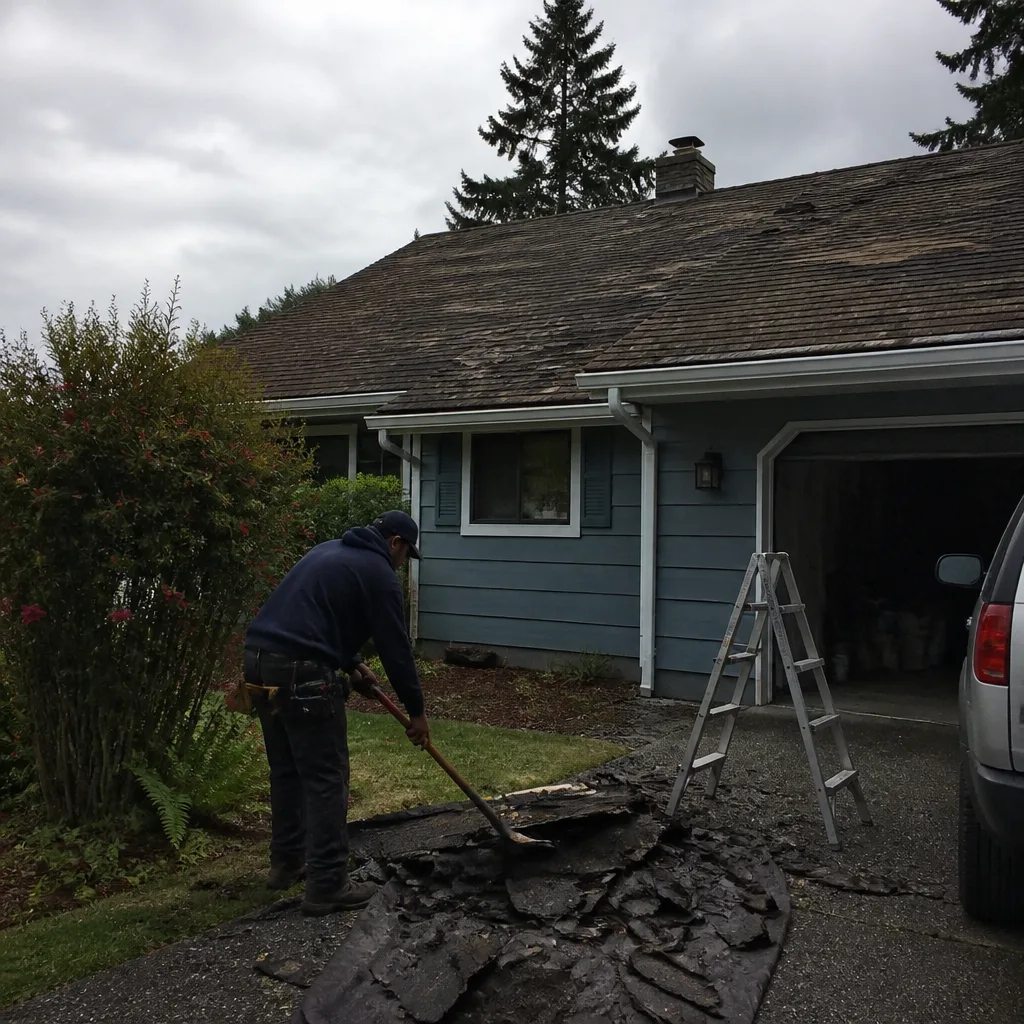 Before
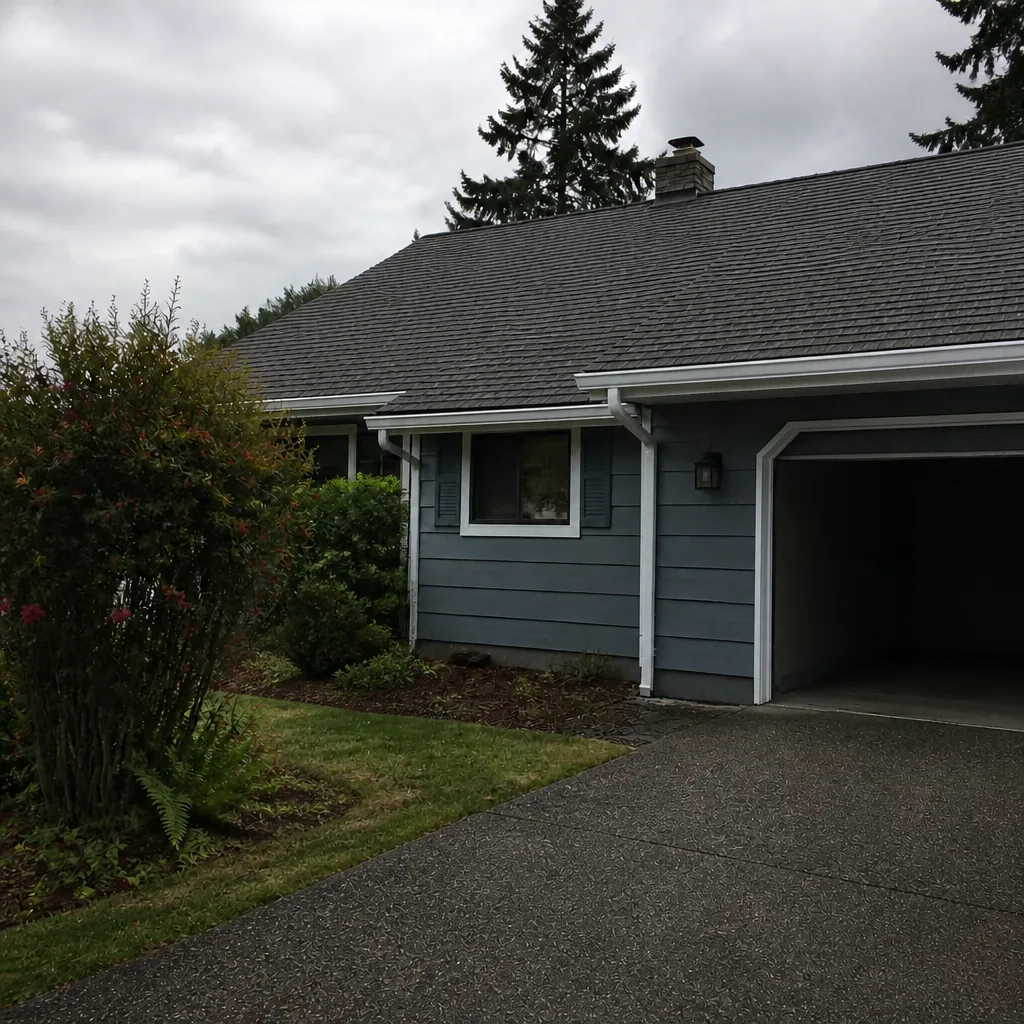 After
Common Mistakes to Avoid
- Assuming warranty coverage transfers to a DIY install. The base material warranty stays, but the enhanced system warranty that covers labor and long-term performance requires certified installation. Check the specific warranty tier for the brand before you commit.
- Skipping the permit. An unpermitted roof in Everett creates a resale problem that can stall a closing. Pulling the permit is the cheaper path, even if it feels like paperwork.
- Underestimating Everett’s fall rain window. A tear-off started in October and finished in November is a wet deck waiting to happen. The weather timing alone argues for a professional crew that can complete the job in a day or two.
- Ignoring attic ventilation. Inadequate venting causes premature shingle failure and moisture problems. Ventilation calculations are part of the permit scope and part of the warranty compliance check.
- Hiring an unlicensed “roofer” to avoid the permit. A neighbor who knows roofing and takes cash for a side install is operating outside the law, and the liability for that arrangement lands on you as the property owner.
- Skipping moss maintenance. Everett’s climate makes moss a recurring issue. Neglecting it shortens shingle life regardless of who installed the roof.
- Not getting a written estimate. Verbal quotes change. A written line-item estimate sets the final price and protects you from surprise costs once work begins.
When to Call a Professional
Here are the situations that warrant a professional every time: full roof replacement, new roof installation, any work on a steep pitch or at height, tile or metal installation, storm damage assessment, and any repair that involves the roof assembly (flashing, underlayment, decking, vents). Add to that list anything that could affect a manufacturer warranty or the home’s resale documentation. The DIY path makes sense for maintenance items only: gutter cleaning, moss treatment, and minor caulking done from a stable position.
If you’re on the fence about which column your project falls into, call us at (425) 382-8630 and describe what you’re looking at. Roofing Everett offers free estimates in Everett, and we’ll give you a straight read on whether you’re looking at a maintenance item or a project that belongs to a professional. We answer 24/7. Fast dispatch from 7am to 7pm, Sunday through Friday.
Frequently Asked Questions
It doesn’t void the base material warranty, but it does forfeit the enhanced system warranty tiers that cover labor and long-term performance. GAF, Owens Corning, and CertainTeed all tie their premium warranty tiers to certified contractor installation. The base warranty on the shingles themselves usually still applies, just at a lower tier. Call (425) 382-8630 for an exact read on the warranty tiers for the system you’re considering. Estimates are free.
Washington State allows an owner-builder exemption for improvements on your primary residence, including roofing, but you must pull the permit yourself and comply with all applicable codes. The exemption doesn’t cover rental or investment properties, and it doesn’t remove the safety, insurance, and resale consequences. Confirm the current requirements with the city of Everett’s building department before starting.
Less than the labor percentage suggests. Once you subtract tool rental, dumpster and disposal fees, permit costs, material waste at retail pricing, and the value of your time, the gap between DIY and professional narrows considerably. Then subtract the warranty coverage you forfeit. For most homeowners, the real saving is smaller than the headline number. Call (425) 382-8630 for a written line-item estimate to compare against your DIY budget.
Often, yes. Inspectors in Snohomish County review roofs carefully, and installation quality, flashing details, and permit history get noted. A buyer’s agent may ask for warranty and permit documentation, and an owner-builder roof without manufacturer coverage is a weaker package. That can translate into a repair credit or renegotiation at closing.
Gutter cleaning, moss treatment, debris removal after wind, and minor caulking done from a stable position are reasonable DIY maintenance. Anything that involves walking a roof pitch, replacing shingles, installing flashing, or working at height belongs to a professional. If you’re unsure which column a task falls into, call and describe it.
Yes. When we handle a replacement or installation in Everett, the permit is pulled and the inspection is scheduled as part of the project. That’s part of what the written estimate covers, and it’s the documentation that keeps resale and warranty coverage clean. Call (425) 382-8630 for a free estimate and we’ll walk you through the permit scope.
A professional crew typically completes a standard asphalt shingle replacement in a day or two, weather permitting. Tile and metal systems take longer because of the installation detail involved. The timeline is included in the written estimate so there’s no guesswork. Call (425) 382-8630 to schedule a free estimate and get a timeline for your specific roof.
No, not when the price is set by a written line-item estimate with fixed pricing. The written estimate is the final price, and change orders only happen if you approve a scope change. That’s one of the differences between a professional install and a handshake DIY arrangement. Call (425) 382-8630 for an exact quote, and the estimate is free.
The Bottom Line
The DIY roofing decision in Everett comes down to warranties, permits, and resale. The labor savings look attractive, but once you subtract tool rental, disposal, permit fees, material waste, and the value of your time, the real saving is smaller than the headline number. Add the forfeited manufacturer system warranty and the resale friction of owner-installed work in Snohomish County, and the professional path wins on total cost for most homeowners. DIY makes sense for maintenance items: gutter cleaning, moss treatment, minor caulking. Full replacement, new installation, and any work at height belong to a licensed professional with the certifications that keep the warranty intact.
Ready to price your roof? Call Roofing Everett at (425) 382-8630 for a free estimate. We answer 24/7. Fast dispatch from 7am to 7pm, Sunday through Friday. We work with GAF, CertainTeed, Owens Corning, IKO, Atlas, Tamko, and Boral, and we install asphalt shingle, tile, and metal systems so you choose the right material for your home rather than accepting whatever’s easiest to install. Our technicians have up to 8 years of experience, the estimate is free, and the written line-item quote sets the final price with no change orders.
Written by the team at Roofing Everett.