
How to Choose the Right Roofing Company in Everett
A contractor who only installs one material type will solve every roofing problem with that material. That’s not bias, it’s just business. The question is whether their limitation becomes your limitation. Choosing a roofing company in Everett comes down to matching the contractor’s material expertise to the roof system your house actually needs, then verifying they’re licensed, their estimates are documented, and their warranties are in writing before anyone touches your deck.
We’ll walk through what separates a real assessment from a drive-by quote, and how to check a contractor’s credentials with Washington’s Labor & Industries. If you’d rather skip the research and talk it through with someone who installs shingle, tile, and metal, call (425) 382-8630. We answer 24/7.
Why Material Range Changes the Recommendation You Get
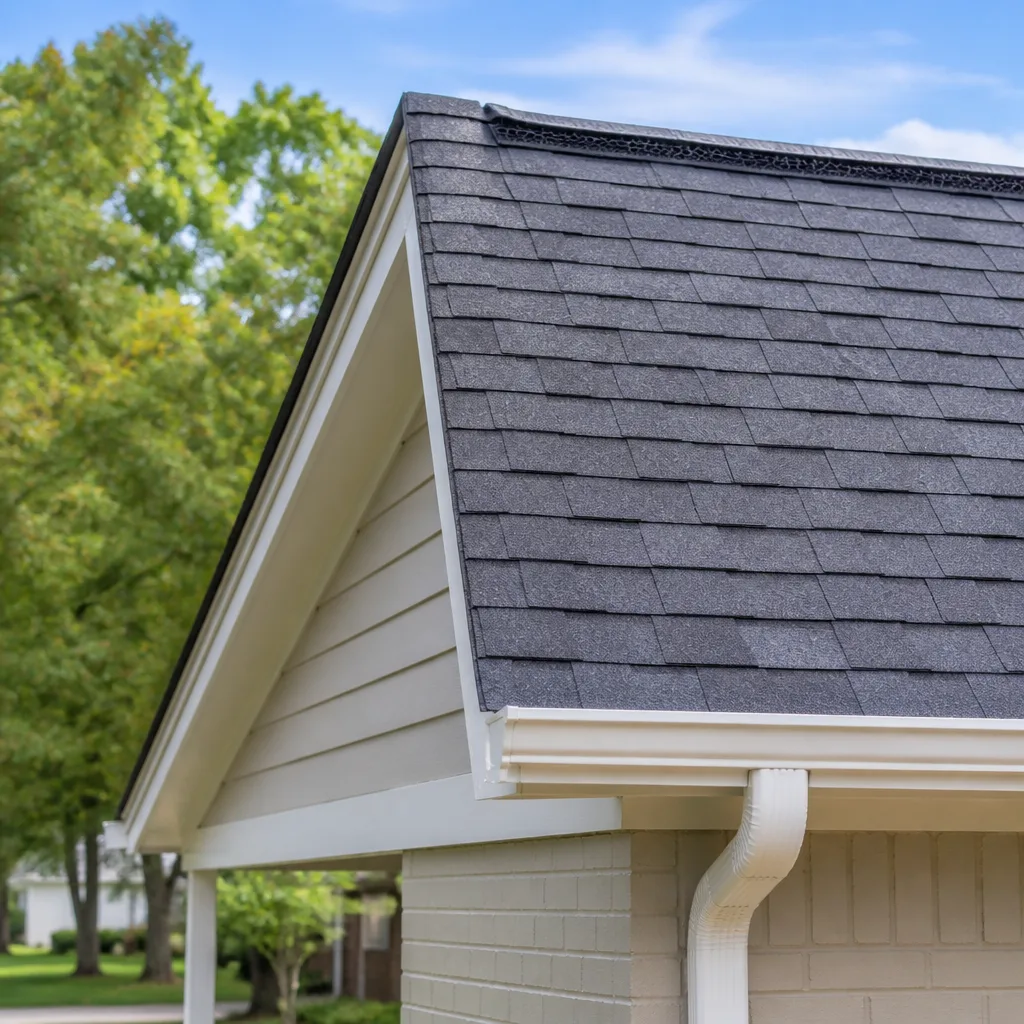
A roofer who installs only asphalt shingles isn’t being dishonest when they steer you toward asphalt shingles. It’s the only answer they have. That’s fine for a lot of Everett homes, but it becomes a problem when your situation calls for something else: a steep pitch that sheds rain fast, a low-slope section where shingle isn’t the right system, or a homeowner planning to stay in the house long enough that a longer-lived material makes better financial sense.
Here’s how the three major residential systems actually differ, framed the way a multi-material contractor weighs them:
- Asphalt shingle – the most common choice in Everett for good reason. Broadest brand selection (GAF, CertainTeed, Owens Corning, IKO, Atlas, Tamko), lightest weight on the structure, and the widest price range. Lifespan and warranty tier depend heavily on which line you buy and whether it’s installed to the manufacturer’s spec.
- Tile – heavier, more structurally demanding, and longer-lived. It suits homeowners who want an architectural look and are planning many years in the house. Not every Everett roof structure is set up to carry it, which is exactly why a contractor needs to evaluate the deck before quoting it.
- Metal – the option shingle-only contractors almost never bring up. Excellent in the wet Pacific Northwest because water sheds off panel systems quickly, and it’s often the answer for a homeowner thinking about a roof that outlasts the mortgage refi cycle.
When we assess a roof, the material conversation comes out of the findings, not the other way around. That’s the entire point of a specialist who installs across three systems instead of one.
What a Real Roof Assessment Looks Like (vs. a 10-Minute Estimate)
A ten-minute drive-by estimate isn’t an estimate. It’s a number. A thorough assessment can take an hour or more, and the contractor should be documenting specific items, not just eyeballing the ridge.
Here’s what should be checked and written down for an Everett home:
- Deck condition – soft spots, rot, or delamination under the existing material. This is the single biggest wildcard in any roof quote, and it can only be evaluated by looking from the roof and from the attic side where accessible.
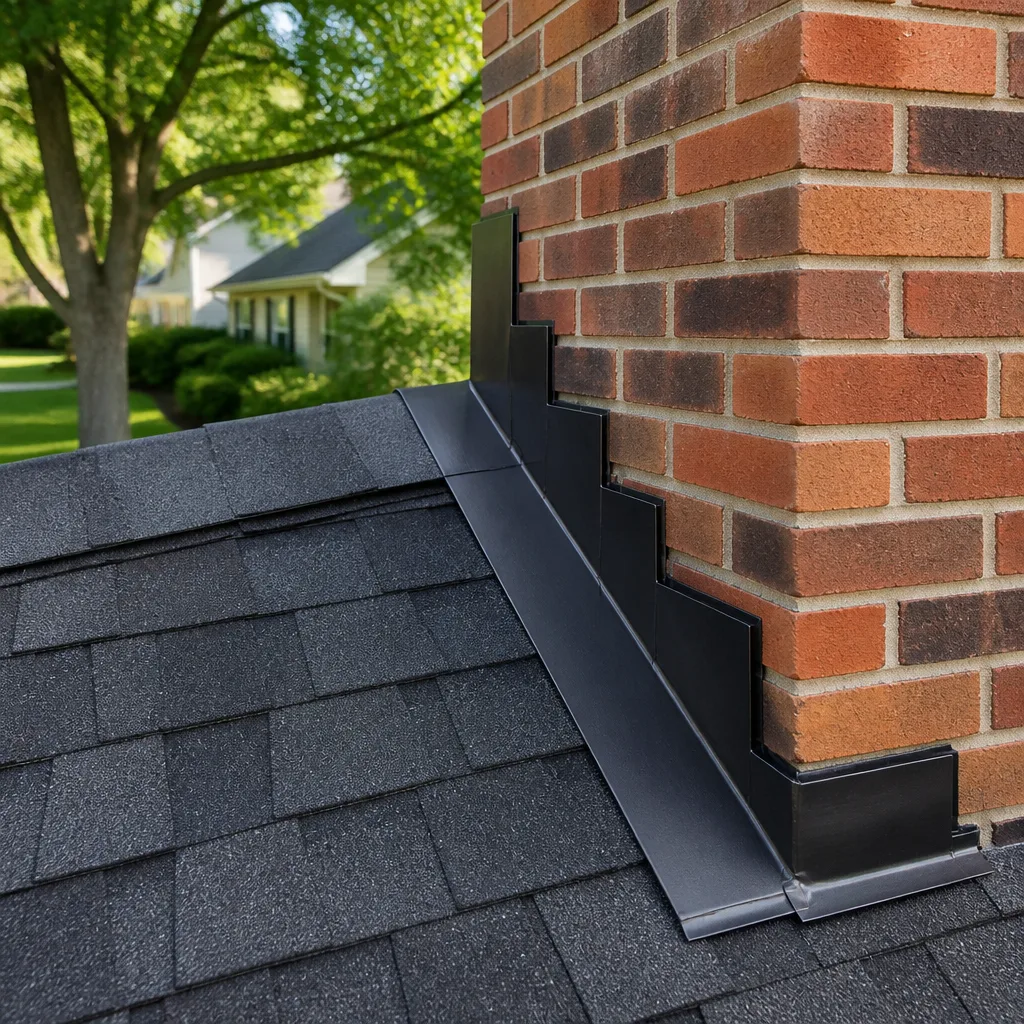
- Flashing – at the chimney, at every wall intersection, and in every valley. Flashings are the most common failure point, and the cheapest part to skip. A quote that doesn’t mention flashing replacement is a quote you should question.
- Ventilation – intake and exhaust. Everett homes with moisture in the attic have ventilation problems before they have a roofing problem. Proper ventilation is part of the installation, not an upgrade.
- Penetrations – plumbing vents, skylights, and vent hoods. Each one has a boot or a seal that ages on its own schedule.
- Underlayment specification – what’s actually being installed beneath the finished material. Synthetic vs. felt, ice-and-water shield coverage, manufacturer-required scope. This is where cheap quotes hide.
If the contractor hands you a single-line price with no scope, ask for a written, itemized estimate. If they hesitate, you’ve learned something useful before the contract.
When to call a pro: Any roof work that involves walking the deck, climbing to a height, or dealing with flashing at the base of a chimney. Falls from height are among the most serious risk in this trade. Leave the ladder work to a trained, insured professional. Call (425) 382-8630.
How to Verify a Washington State Roofing Contractor with L&I
Washington requires roofing contractors to be registered with the Department of Labor & Industries, and the L&I online database is free and public. Use it. Don’t take a business card at face value.
Here’s what to pull:
- Contractor registration status – active, expired, or suspended. You want active.
- Bond status – Washington requires a surety bond for registered contractors. The bond is your leverage if a dispute goes sideways.
- Insurance – general liability and workers’ compensation coverage. A contractor without workers’ comp leaves the homeowner exposed if someone is hurt on the property.
- UBI number – every registered Washington contractor has one. If a contractor can’t produce it, that’s a red flag.
Ask the contractor for their L&I registration number in writing, before work starts. Then look it up yourself. This isn’t paranoia; it’s how you avoid a scenario where a subcontractor’s injury becomes your homeowner claim. When a roofing company in Everett hands you a registration number without flinching, that’s a good sign. When they deflect, keep looking.
The Warranty Stack: What You Need in Writing Before Work Starts
Two different warranties matter on a roofing job, and they cover different things. Confusing them is one of the most expensive mistakes homeowners make.
Manufacturer material warranty – this covers the shingle, tile, or metal panel itself, and it’s tied to certified installation. That’s why “authorized installer” status matters: warranties on premium lines like GAF or CertainTeed are affected by whether the contractor is certified to install them. Specific warranty terms live with the manufacturer, so confirm current program details in writing rather than relying on a verbal promise.
Contractor workmanship warranty – this covers things the material warranty won’t: installation errors, flashing leaks from mistakes, and labor. Get the length and the covered items in writing. Get the exclusions too, because those are what actually matter.
What voids a warranty is worth knowing up front:
- Improper ventilation, which many manufacturers won’t protect against regardless of who installed the roof.
- Installation by an uncertified crew on a product line that requires certification.
- Unauthorized repairs or alterations after the fact.
- Failure to document the installation to manufacturer spec.
Ask every contractor you interview what happens if the roof leaks at a flashing in year four. If the answer is vague, get it in writing before the first nail goes in.
The “Three Bids” Rule, With Nuance
Getting three quotes is still good advice, just not for the reason most people think. The lowest bid isn’t automatically a bad bid, and the highest isn’t automatically the right one. What you’re looking for is which bid represents genuine efficiency and which one represents skipped steps.
A low bid can reflect:
- Simpler scope (a small, uncomplicated roof that takes fewer labor hours).
- A brand tier decision – IKO or Tamko sit at a different price point than a premium GAF line, and that’s not automatically a downgrade.
- Genuine overhead differences.
A low bid can also hide:
- No underlayment upgrade, or cheap felt instead of synthetic.
- Flashing reuse instead of replacement, which rarely holds up in Everett’s rain.
- No ventilation work.
- Unclear warranty terms, or no written warranty at all.
When comparing three bids on an Everett home, line them up scope-to-scope. If one bid is significantly lower than the others and the scope reads the same, find out why. If one bid is missing line items the others include, that’s the actual price comparison. Price your job correctly against the scope, not against the headline number.
We welcome a second opinion on any quote you’ve been given, and we’ll tell you plainly when the scope is fine and the price is fair.
Related services in Everett: if you’re planning a full replacement, take a look at our roof replacement page. Building from the deck up on a new home? Our new roof installation work covers that from framing forward. And if asphalt is the right answer for your house, our shingle roofing page lays out the brand tiers and what each includes.
The Bottom Line
Choosing a roofing company in Everett starts with material range, not price. A contractor who can install shingle, tile, and metal – and can explain the trade-offs honestly – is the one most likely to give you a recommendation matched to your house instead of their inventory. Then verify the L&I registration, insist on a written itemized estimate, and get both warranty types in writing before work starts. Three bids is fine, but compare scope to scope, not number to number.
If you’re in Everett and need help, Roofing Everett offers free estimates. Call (425) 382-8630. We answer 24/7. Fast dispatch from 7am to 7pm, Sunday through Friday. If you’d like a broader look at how we work, our Roofing Everett page is a good place to start.
Frequently Asked Questions
Washington roofing contractors must be registered with the Department of Labor & Industries, and you can verify any contractor on the L&I online database using their registration or UBI number. Ask for the registration number in writing before work starts, then look it up yourself. Call (425) 382-8630 for a free written estimate from a registered contractor.
The manufacturer warranty covers the material itself (shingles, tile, or metal panels) and is typically tied to certified installation. The workmanship warranty covers labor and installation errors. Both should be in writing before work starts, including exclusions. Call (425) 382-8630 and we’ll walk you through what each covers on your specific job.
Not necessarily. A low bid can reflect genuine efficiency or it can reflect skipped steps like underlayment upgrades or flashing replacement. Compare bids scope to scope and ask what’s missing if one number is significantly lower. Call (425) 382-8630 for a written, itemized quote you can compare side by side.
Most can’t, because installing metal or tile requires different training, tooling, and manufacturer certification than asphalt shingle work. That’s why material range matters when choosing a contractor. Call (425) 382-8630 to talk through whether shingle, tile, or metal is the right fit for your Everett home. Our technicians have up to 8 years of experience.
Written by the team at Roofing Everett.
Need Roofing Help?
Call Roofing Everett - the local pro we connect you with is licensed and insured, here with fast help in Everett.
(425) 382-8630